Artificial Intelligence and the Passivity Problem
February 13, 2026 - 00:42
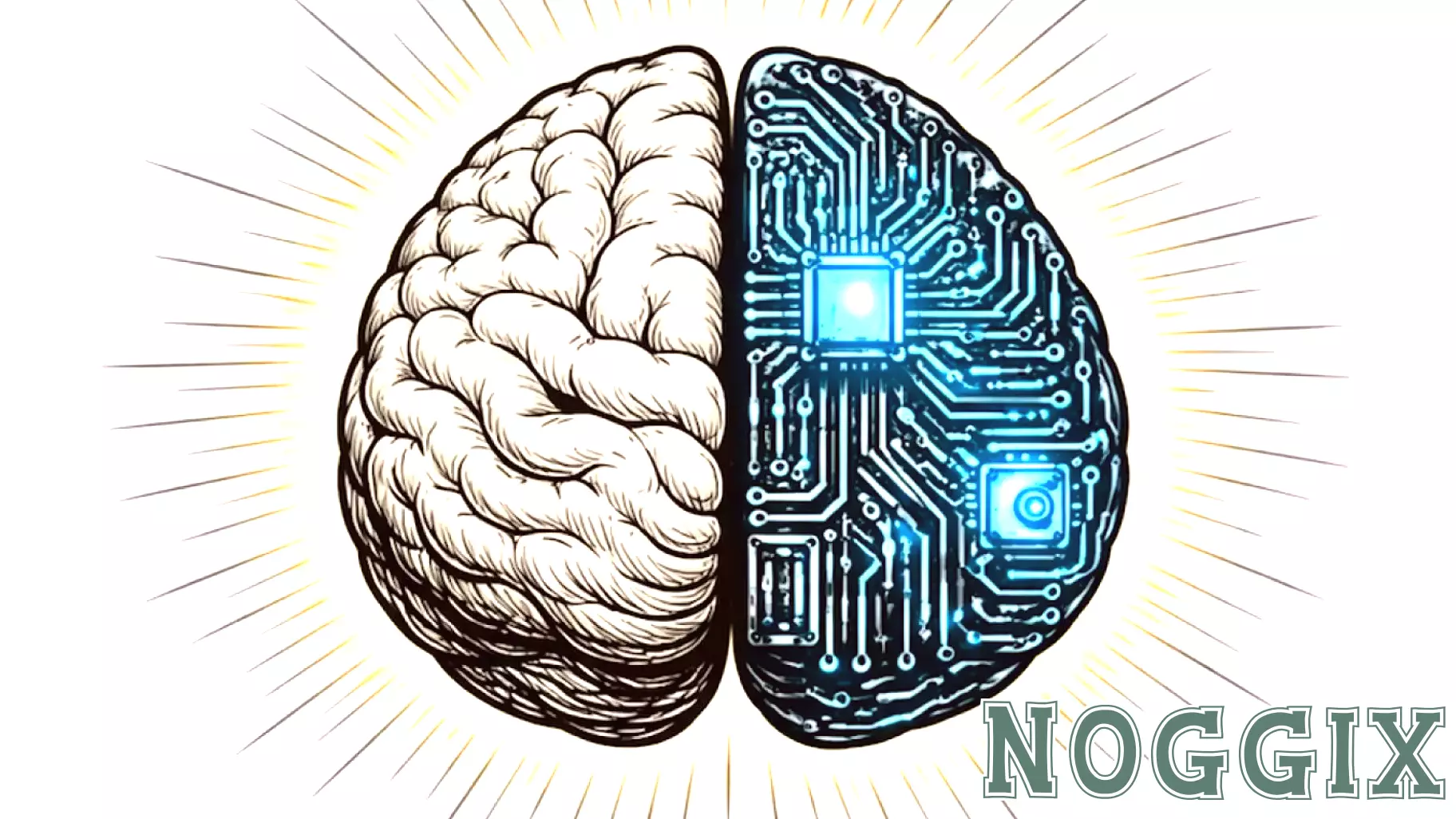
A growing chorus of experts is raising the alarm about a subtle yet profound side effect of our deepening reliance on artificial intelligence: the erosion of active human cognition. While debates often focus on job displacement or existential risk, the more immediate disruption may be the quiet fostering of intellectual passivity.
The convenience of AI tools is undeniable. They summarize complex documents, generate first drafts, and answer questions in seconds. However, this very efficiency risks creating a mental shortcut culture. When AI readily provides answers, the fundamental human muscles of critical inquiry, deep analysis, and sustained focus can begin to atrophy. The danger is not that machines think, but that by outsourcing so much of our mental labor, we may stop thinking for ourselves in meaningful ways.
This passivity problem extends beyond simple tasks. It threatens the nuanced thinking required for innovation, ethical reasoning, and personal judgment. The process of wrestling with a problem, following false leads, and building understanding through effort is what cultivates genuine expertise and wisdom. If AI consistently provides the path of least resistance, we risk losing the capacity for the struggle that leads to breakthrough ideas and resilient understanding. The challenge ahead is to harness AI's power not as a replacement for human thought, but as a tool that augments it, ensuring we remain the active architects of our own intellect.
MORE NEWS
August 10, 2026 - 22:06
The Latest Casualties of the False Cause FallacyHeadlines love a simple warning. Stay up late, and your heart will suffer. Work from home, and your mind will crumble. These stories spread fast because they feel true. But the research behind them...

August 8, 2026 - 10:17
Ted Lasso Is Back: Why We Still Need to “Believe”The wait is over for fans of the show about a folksy American football coach who somehow ends up managing a struggling English soccer team. Ted Lasso is back on screens, and while the jokes and the...
August 7, 2026 - 17:44
The Two Kinds of Philosophers—And Why We Only Need OneThere is an old way of dividing thinkers, and it still holds up. Some are swallows, soaring high, mapping the whole sky from above. Others are moles, burrowing deep into a single patch of ground,...

August 7, 2026 - 01:24
New Ways to Deal With the Inner CriticThat nagging voice in your head, the one that whispers you are not smart enough, fast enough, or good enough, is a common companion for many people. For years, the standard advice was to simply...