Psychedelics, Plasticity, and Addicted Brains
February 12, 2026 - 17:49
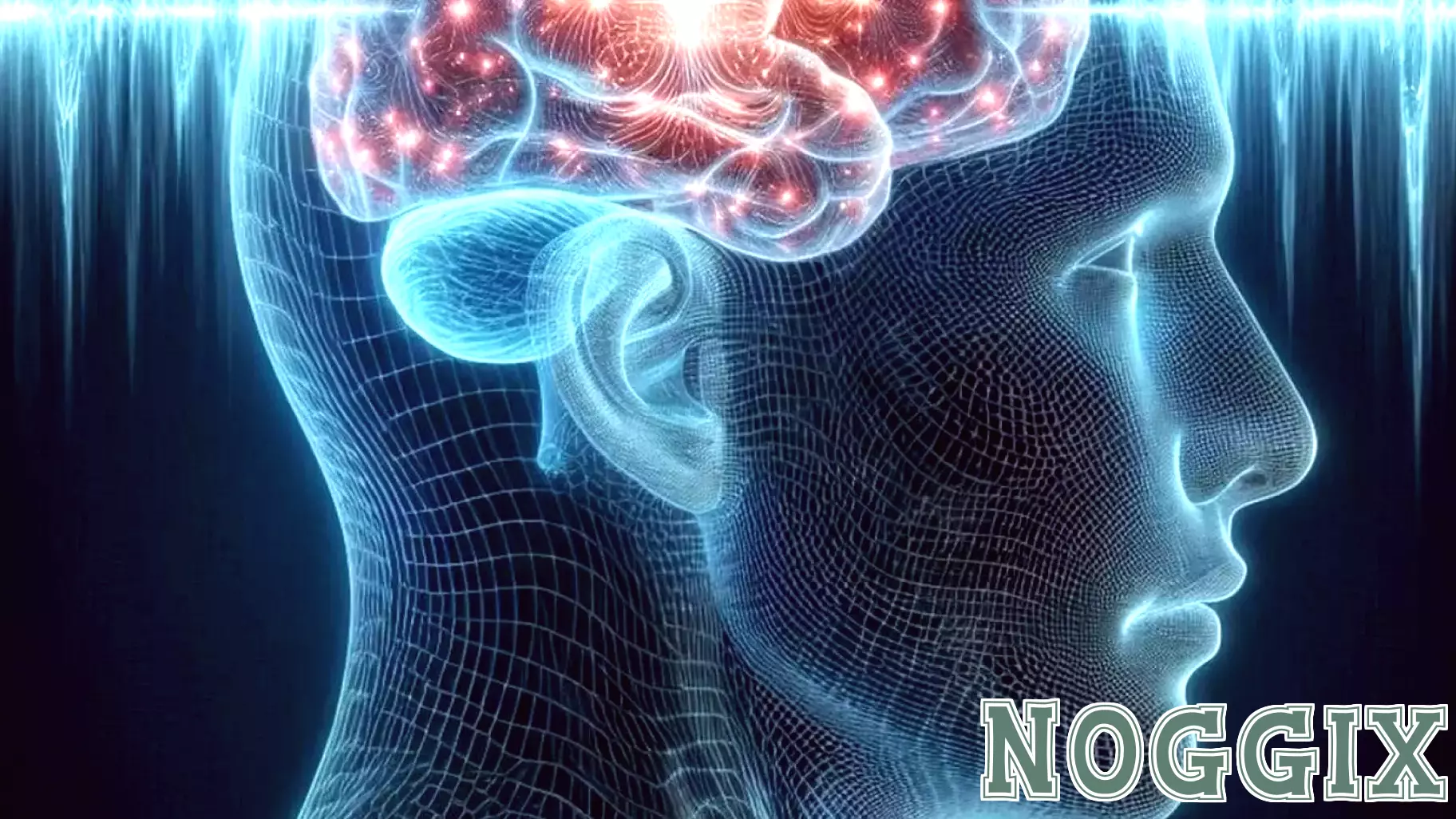
Emerging research suggests that psychedelic substances, long shrouded in controversy, may hold a key to unlocking new treatments for addiction. The potential lies in their unique ability to induce neural plasticity—essentially "shaking up" the brain's rigid pathways.
Scientists are investigating how compounds like psilocybin can temporarily disrupt entrenched neural circuits associated with addictive behaviors. This creates a critical window of opportunity, often described as the brain becoming more malleable or "plastic." During this state, long-held patterns of thought and compulsion may be more easily altered.
When administered in controlled clinical settings alongside professional psychotherapy, this combination could revolutionize addiction treatment. The approach aims not merely to manage symptoms but to facilitate a fundamental restructuring of the brain's reward and behavior systems. This could lead to more profound and lasting recoveries compared to current standard treatments.
Preliminary studies on substances including tobacco and alcohol dependence have shown promising results, with participants reporting significant reductions in cravings and relapse rates. The future of this treatment paradigm envisions a course of care where, under strict medical guidance, addictions are addressed more efficiently and with deeper psychological resolution, offering new hope for a persistent public health challenge.
MORE NEWS

August 10, 2026 - 22:06
The Latest Casualties of the False Cause FallacyHeadlines love a simple warning. Stay up late, and your heart will suffer. Work from home, and your mind will crumble. These stories spread fast because they feel true. But the research behind them...

August 8, 2026 - 10:17
Ted Lasso Is Back: Why We Still Need to “Believe”The wait is over for fans of the show about a folksy American football coach who somehow ends up managing a struggling English soccer team. Ted Lasso is back on screens, and while the jokes and the...

August 7, 2026 - 17:44
The Two Kinds of Philosophers—And Why We Only Need OneThere is an old way of dividing thinkers, and it still holds up. Some are swallows, soaring high, mapping the whole sky from above. Others are moles, burrowing deep into a single patch of ground,...

August 7, 2026 - 01:24
New Ways to Deal With the Inner CriticThat nagging voice in your head, the one that whispers you are not smart enough, fast enough, or good enough, is a common companion for many people. For years, the standard advice was to simply...