Doomscrolling Feels Responsible—Until It Makes Us Feel Worse
February 11, 2026 - 10:06

In an era of constant global alerts, staying informed often feels like a civic duty. Many of us begin our news consumption with a genuine intention to understand a complex world, believing that awareness is the first step toward responsibility or action. However, this well-meaning habit can quickly spiral into the exhausting cycle known as doomscrolling—the compulsive consumption of a relentless stream of negative news.
Psychologists note that this behavior is frequently fueled by an "information-gap" theory, where the brain seeks closure on threatening or unresolved narratives. The more distressing the headline, the harder it becomes to look away, creating a neurological trap. What starts as a responsible act morphs into a significant source of anxiety, helplessness, and mental strain, ironically undermining our sense of agency.
The key to breaking the cycle lies in shifting focus from blame to intentional boundaries. Experts suggest strategies like designated "news windows," turning off non-critical notifications, and consciously engaging with solutions-based or neutral content after consuming difficult news. The goal is not to disengage from the world, but to build a sustainable relationship with information that protects well-being while maintaining awareness. Recognizing doomscrolling as a common psychological response, rather than a personal failing, is the first step toward reclaiming control and peace of mind.
MORE NEWS

August 10, 2026 - 22:06
The Latest Casualties of the False Cause FallacyHeadlines love a simple warning. Stay up late, and your heart will suffer. Work from home, and your mind will crumble. These stories spread fast because they feel true. But the research behind them...

August 8, 2026 - 10:17
Ted Lasso Is Back: Why We Still Need to “Believe”The wait is over for fans of the show about a folksy American football coach who somehow ends up managing a struggling English soccer team. Ted Lasso is back on screens, and while the jokes and the...
August 7, 2026 - 17:44
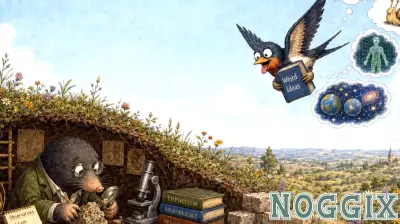
The Two Kinds of Philosophers—And Why We Only Need OneThere is an old way of dividing thinkers, and it still holds up. Some are swallows, soaring high, mapping the whole sky from above. Others are moles, burrowing deep into a single patch of ground,...

August 7, 2026 - 01:24
New Ways to Deal With the Inner CriticThat nagging voice in your head, the one that whispers you are not smart enough, fast enough, or good enough, is a common companion for many people. For years, the standard advice was to simply...