World Hearing Day Normalizes Me
March 3, 2026 - 23:14
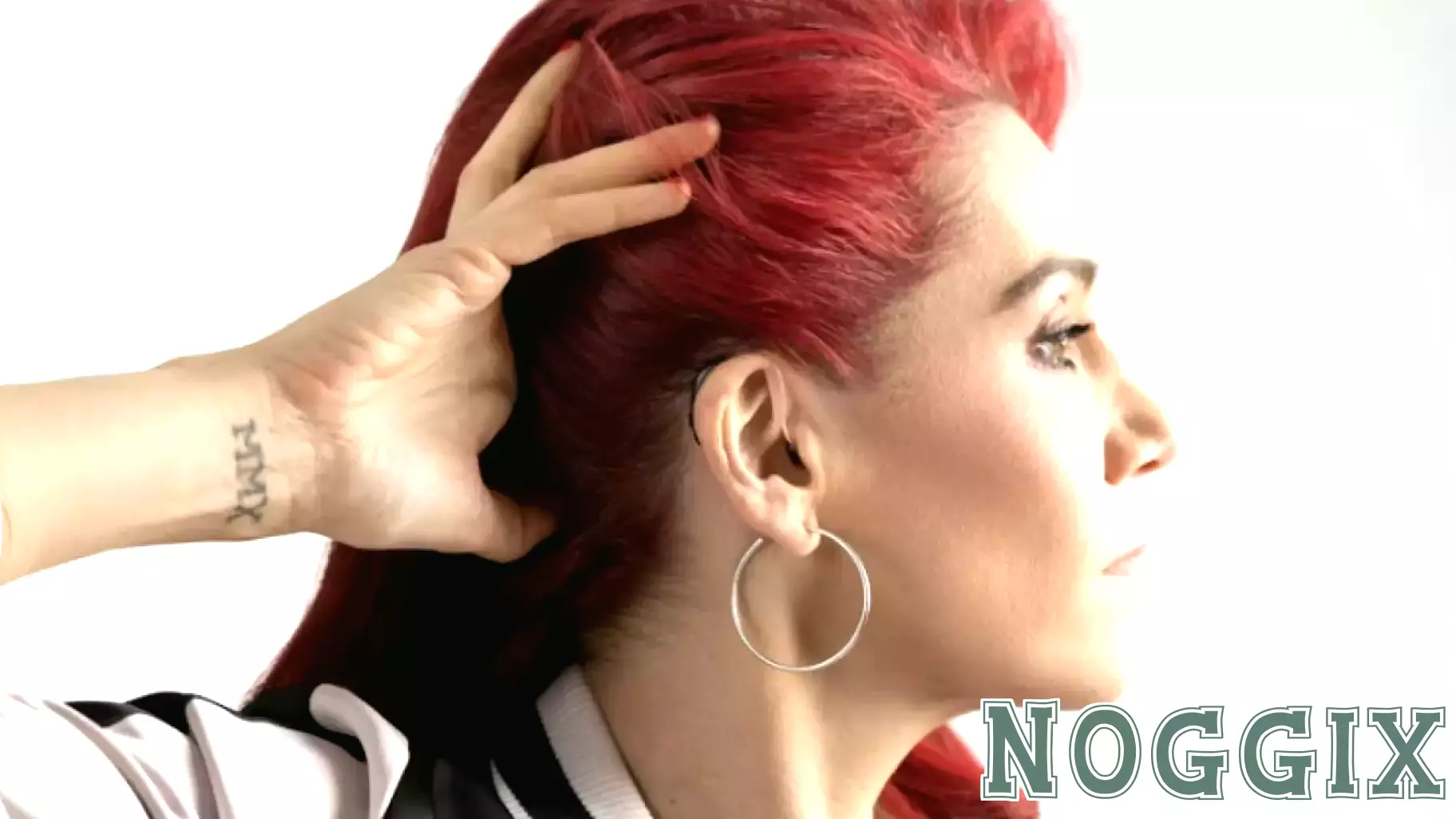
For years, I battled shame over my hearing problem. In a world seemingly designed for effortless conversation, my need to ask for repeats or my reliance on lip-reading felt like a personal failing. I contorted myself in social settings, nodding along to discussions I only half-heard, retreating from noisy environments, and carrying a constant low hum of anxiety about missing crucial information. The isolation was often heavier than the hearing loss itself.
The global observance of World Hearing Day, however, has been a profound turning point. This annual focus does more than raise awareness about auditory health; it actively normalizes the experience of hearing differences. Seeing public discussions, educational campaigns, and shared stories from diverse individuals reframes the narrative. It shifts the perception from one of individual deficit to one of common human variation.
This normalization is a powerful antidote to shame. It validates the need for accommodations like hearing loops, captioning, and clear communication as universal rights, not special favors. It encourages others to speak openly about their own auditory experiences, fostering understanding. For me, it has meant replacing embarrassment with advocacy, and solitude with solidarity. The day reminds everyone that hearing health is integral to overall well-being and that an inclusive society is one where every person can connect and participate fully, without stigma.
MORE NEWS

July 17, 2026 - 08:45
How to Grieve a Changing PlanetA form of distress called `eco-grief` is quietly spreading through communities around the world. Unlike the loss of a person or a pet, this grief stems from watching the natural world slowly...

July 16, 2026 - 21:32
Beyond the Therapy Room: Why Lived Experience MattersThe therapist brings the textbook. The client brings their story. But the peer mentor brings the road map of having walked a similar path. That third perspective is quietly reshaping how mental...

July 16, 2026 - 00:57
Psychology says people who love being in front of the camera aren’t narcissists, they may be driven by conA common assumption is that people who love being in front of the camera are driven by narcissism or a need for constant validation. But psychology suggests the reality is often more complex. Many...

July 15, 2026 - 01:39
E-cigarette Regulatory Gaps and Substance Use RecoveryE-cigarettes are often promoted as a harm reduction tool for adult smokers trying to quit traditional cigarettes. The FDA has backed this view, framing vaping as a less dangerous alternative. But a...