The "Psychotic" German Judge Who Changed Freud's Practice
May 29, 2026 - 18:51
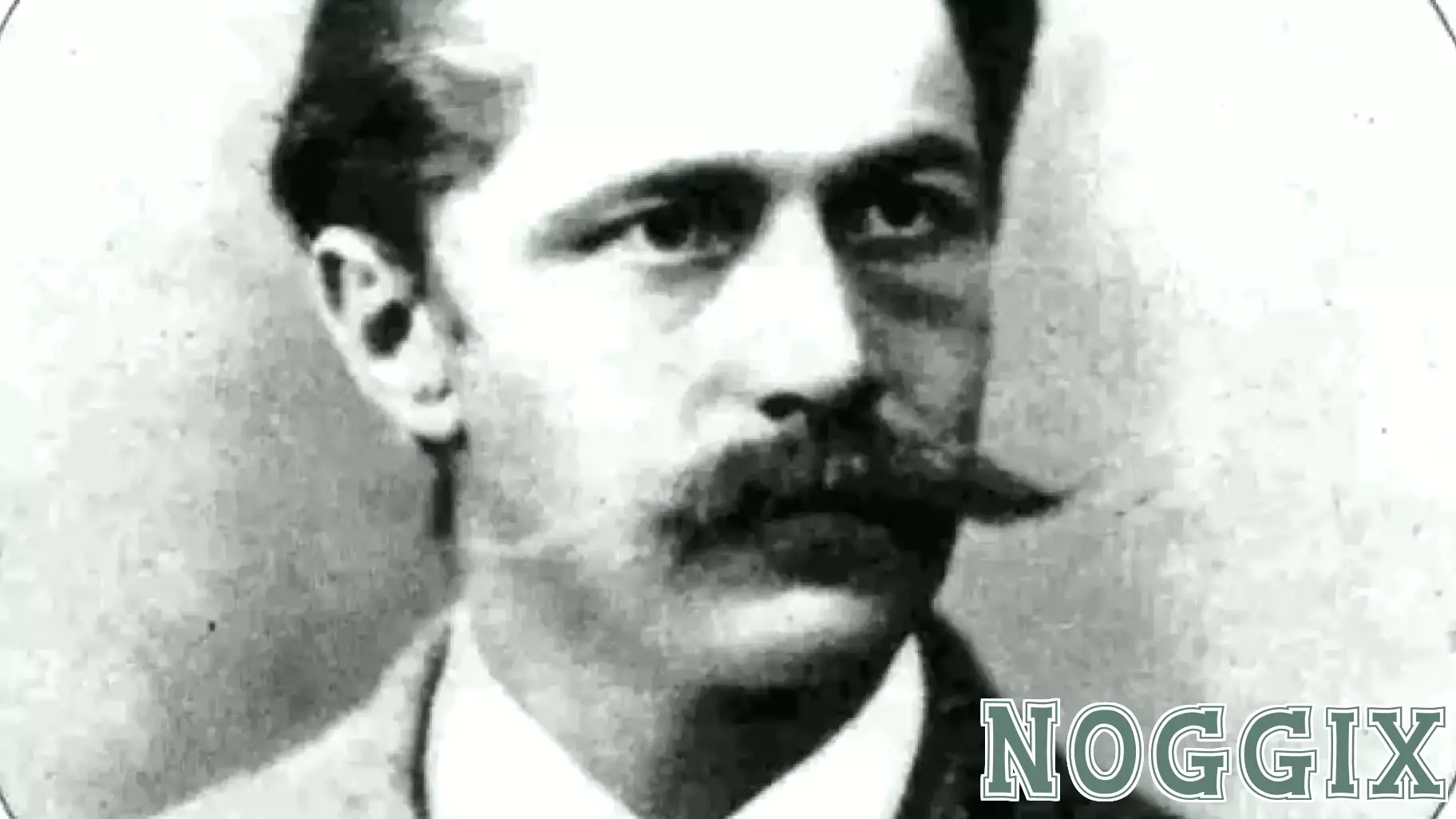
The memoirs of Paul Schreber, a German judge who fought his own confinement in a psychiatric asylum and won, did more than just influence Sigmund Freud. They became a foundational text for understanding the human mind, and they still carry a stark warning for doctors and patients alike about the cost of disrespect.
Schreber was a high-ranking judge in Dresden. In the late 19th century, he suffered a severe mental breakdown. He was diagnosed with psychosis and committed to an asylum. His delusions were elaborate and strange. He believed God was transforming him into a woman, that his body was being played like a musical instrument by divine rays, and that he had a unique mission to save the world. To the doctors of the time, this was pure madness, a textbook case of a shattered mind.
But Schreber did something unusual. He wrote it all down. In 1903, he published "Memoirs of My Nervous Illness," a detailed, lucid account of his inner world. The book was not just a list of symptoms. It was a legal and philosophical argument. Schreber, a trained jurist, used the book to challenge his own doctors in court. He argued that his civil rights had been violated, that he was not simply a "patient" but a citizen. He won his case and was released.
Freud read the memoirs and was fascinated. He used Schreber's case to develop his theories on paranoia, repression, and the unconscious. The "Schreber case" became a cornerstone of psychoanalysis. But the real lesson, many modern psychiatrists argue, is not about Freud's theories. It is about Schreber's voice.
The judge was not just a source of data. He was a man fighting for dignity. His memoirs show a person trying to make sense of a terrifying experience, not a passive victim of a disease. He insisted that his delusions had meaning. He demanded to be heard, not just diagnosed.
Today, the book remains a powerful reminder for anyone in medicine. It shows that even in the most extreme states of mind, a person's sense of self and their need for respect do not vanish. Schreber's story is a warning against the arrogance of doctors who see only a diagnosis and forget the person behind it. His fight was not just for his own freedom. It was for the idea that the mind, even when broken, deserves to be treated with something more than clinical detachment.
MORE NEWS

July 13, 2026 - 20:18
The New Science for Thriving Teams and CulturesFor years, leaders have treated culture as something soft, a vague concept that either happens or doesn`t. But a new evidence-based framework is changing that. The 5Cs model offers a concrete...
July 13, 2026 - 10:53
Quote of the day by Dale Carnegie: 'When dealing with people, remember you are not dealing with creaturesA famous quote from Dale Carnegie reminds us of a fundamental truth about human interaction: `When dealing with people, remember you are not dealing with creatures of logic, but creatures of...

July 12, 2026 - 22:38
The Power of Self-Compassion in Psychedelic-Assisted TherapyImagine what it would be like to have someone permanently by your side who, instead of being critical, is fully committed to protecting and supporting you. For many people undergoing...

July 11, 2026 - 07:50
When AI Does the Writing, Who's the Author?It is happening more and more these days. I read an article, but as I read it, something feels off, something is making me uncomfortable. Then, it hits me: I will bet AI wrote it. The sentences are...