The Power of Self-Compassion in Psychedelic-Assisted Therapy
July 12, 2026 - 22:38
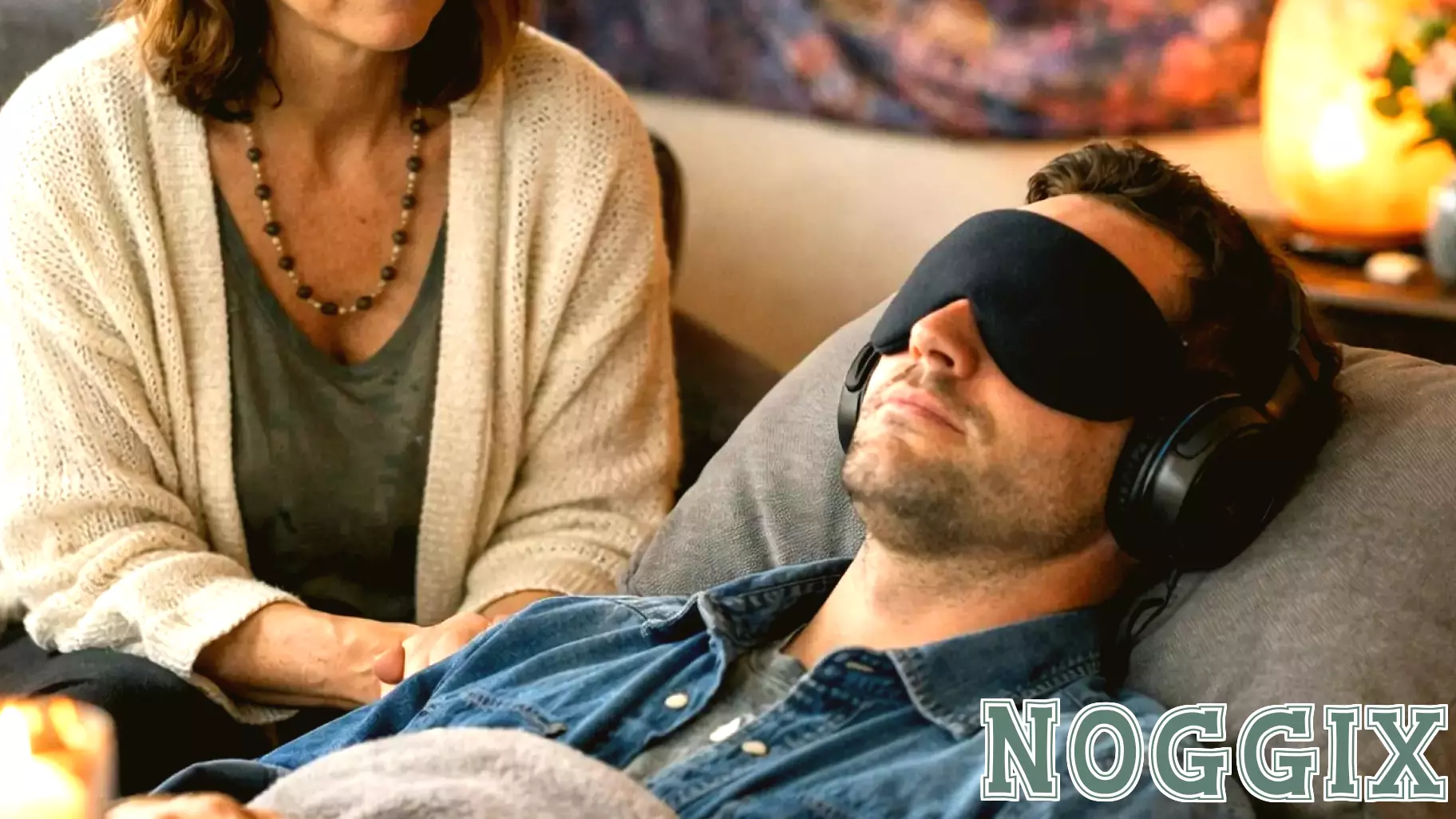
Imagine what it would be like to have someone permanently by your side who, instead of being critical, is fully committed to protecting and supporting you. For many people undergoing psychedelic-assisted therapy, that inner voice is often the loudest obstacle. New research suggests that cultivating self-compassion may be the missing piece that determines whether these treatments lead to lasting change or simply a temporary shift in perspective.
Psychedelic-assisted therapy, which uses substances like psilocybin or MDMA in a controlled clinical setting, has shown promise for treating depression, PTSD, and addiction. However, the experience itself can be intense and even frightening. Patients often confront painful memories or deep-seated shame. Without a foundation of self-kindness, these confrontations can reinforce negative self-judgment rather than resolve it.
The emerging view among clinicians is that self-compassion acts as a psychological container. It allows patients to hold difficult emotions without being overwhelmed by them. Instead of reacting to a traumatic memory with self-blame, a person with higher self-compassion can acknowledge the pain with a sense of common humanity. This shift reduces the defensive reactions that often block healing.
Therapists are now integrating specific self-compassion exercises into the preparation and integration phases of treatment. These practices help patients build the internal resources needed to navigate the psychedelic state safely. The goal is not to eliminate discomfort but to meet it with warmth. As one researcher put it, the medicine opens the door, but self-compassion is what helps a person walk through it without falling apart.
This focus on inner support challenges the traditional model of therapy, where the clinician is the sole source of safety. By teaching patients to become their own ally, the therapy becomes more sustainable long after the session ends. The implications are significant. If self-compassion can be trained, it may increase the success rate of psychedelic treatments and reduce the risk of adverse outcomes.
The field is still young, but the message is clear. The most powerful guide in a psychedelic journey may not be the therapist in the room. It may be the voice inside the patient's own head, finally learning to speak with kindness instead of criticism.
MORE NEWS

July 11, 2026 - 07:50
When AI Does the Writing, Who's the Author?It is happening more and more these days. I read an article, but as I read it, something feels off, something is making me uncomfortable. Then, it hits me: I will bet AI wrote it. The sentences are...

July 10, 2026 - 22:23
How to Develop Your Personal Leadership PotentialResearch clearly suggests that there are proven ways of developing one`s leadership potential and capacity, but it takes hard work and dedication. Leadership is not a mysterious trait reserved for...

July 10, 2026 - 05:01
Why Losing Your Job to AI Might Reveal What You Actually AreA translator who once earned a comfortable living from his language skills recently watched 70 percent of his income vanish. Not because he got worse at his job. Not because clients stopped needing...

July 9, 2026 - 00:10
How Choosing Hope Can Empower YouIt is easy to think of hope as a passive feeling, something that happens to you when things go well. But a growing body of research suggests that hope is actually an active skill, a choice that can...