Why More Effort Doesn't Always Equal Better Results
June 6, 2026 - 04:08

Try to fall asleep, and you stay wide awake. Try to be charming, and you come across as awkward. Try to force a creative breakthrough, and your mind goes blank. There is a strange paradox at work here: some goals seem to punish the very effort meant to achieve them. The harder you push, the further the result slips away.
This phenomenon appears across many areas of life. In sports, a golfer who tries too hard to sink a short putt often misses. In public speaking, a presenter who obsesses over every word can stumble. In relationships, someone desperate to be liked may seem needy or insincere. The common thread is that effort, when applied to the wrong target, becomes a form of resistance.
Psychologists call this the "ironic process theory." When you try to suppress a thought or force a state of mind, your brain works overtime to monitor for failure. That monitoring actually keeps the unwanted outcome present. You cannot will yourself into relaxation or spontaneity. Those states require letting go of control.
The solution is not to stop trying entirely, but to shift your focus. Instead of aiming for the result, aim for the process. A writer does not try to be brilliant; they try to write one sentence. A speaker does not try to be captivating; they try to share one clear idea. By reducing the pressure on the outcome, you free yourself to actually achieve it.
Sometimes the best way to get what you want is to stop chasing it.
MORE NEWS

July 21, 2026 - 00:24
Is the Story You Tell Yourself Making You Anxious?Life is not just a series of events that happen to us. It is also the narrative we build around those events, the internal monologue that interprets every setback, every silence, and every glance....

July 20, 2026 - 01:52
How Sleep Affects Metabolism and WeightA growing body of evidence is making one thing clear: skimping on sleep does more than leave you groggy. New research shows that even modest, consistent sleep loss can directly alter the hormones...
July 19, 2026 - 09:13
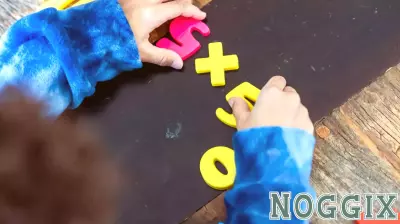
Dyscalculia: The Solution Is a Numbers GameFor years, the learning disability dyscalculia has lingered in the shadow of dyslexia. While reading difficulties have received widespread attention and resources, the inability to grasp numbers,...

July 18, 2026 - 22:35
Psychology explains why people always choose the same mug at home, and why it becomes so hard to replaceHave you ever noticed how you reach for the same coffee mug every morning, even when the cupboard is full of perfectly good cups? Psychology offers a few clear reasons why this happens, and why...