Psychology explains why people always choose the same mug at home, and why it becomes so hard to replace
July 18, 2026 - 22:35
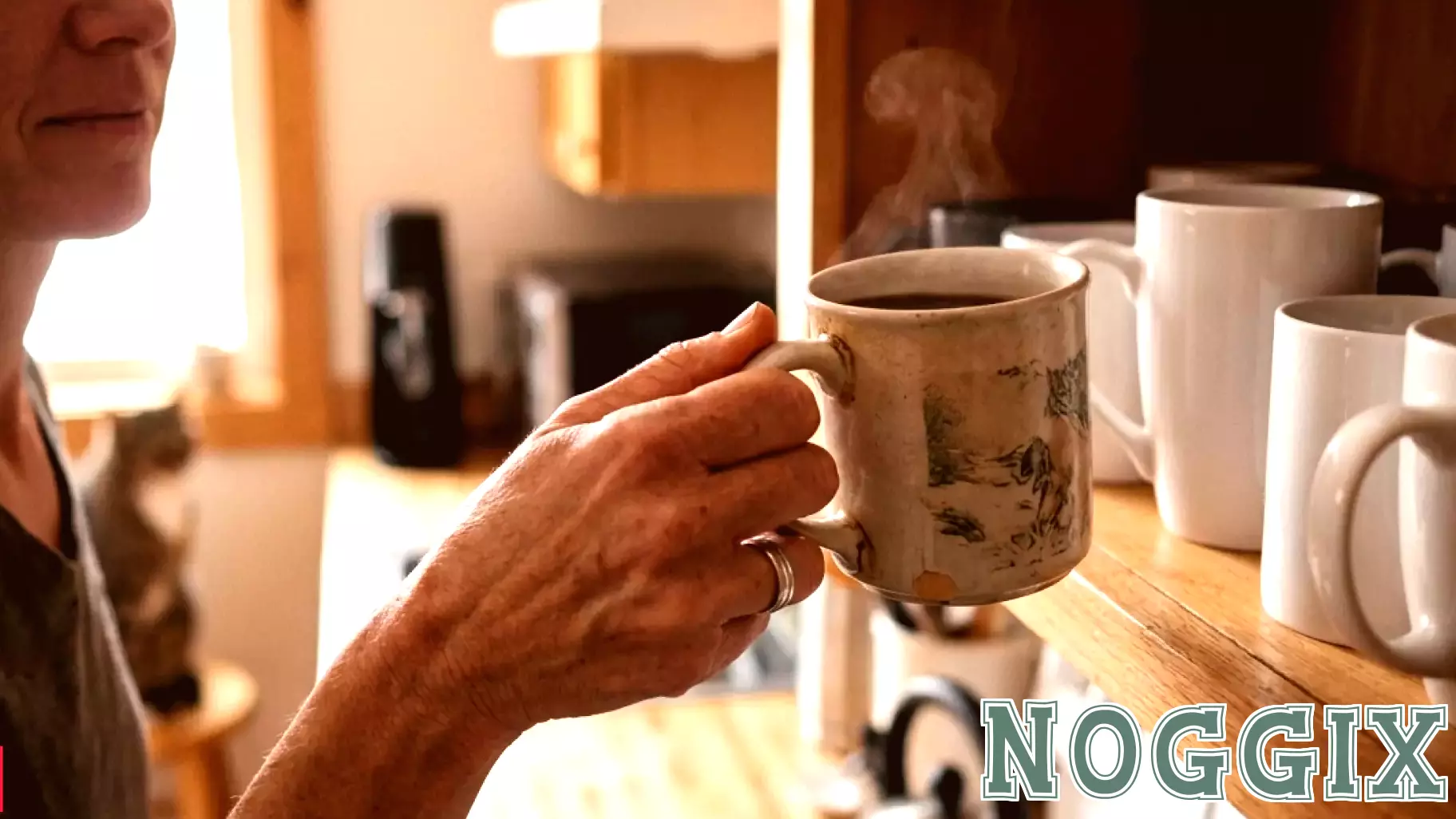
Have you ever noticed how you reach for the same coffee mug every morning, even when the cupboard is full of perfectly good cups? Psychology offers a few clear reasons why this happens, and why swapping it out feels harder than it should.
One major factor is the endowment effect. This is a cognitive bias where we value something more simply because we own it. That chipped mug with the faded logo is not just a container for coffee. It is yours. Research shows people often demand more money to give up an object they own than they would pay to acquire it in the first place.
Emotional attachment also plays a big role. That mug might be linked to a specific memory, like a gift from a friend or a souvenir from a trip. Over time, the object becomes a small anchor for those feelings. Habit formation is another piece of the puzzle. Your brain builds a routine around that mug. You know exactly how it feels in your hand, how it fits under the coffee maker, and how it holds the perfect amount of liquid. Breaking that routine takes mental effort.
Finally, there is the mere exposure effect. The more you see and use something, the more you tend to like it. Familiarity breeds comfort, not contempt. So when a shiny new mug appears, it feels foreign and less trustworthy. Your brain prefers the known path. That is why an ordinary, slightly worn mug can feel irreplaceable, even when better options sit right next to it.
MORE NEWS

July 17, 2026 - 20:50
Can Smutty TV Change Relationship Expectations?The rise of so-called `smutty` television and the romantasy genre is doing more than just raising temperatures in living rooms. According to relationship experts, these explicit and emotionally...

July 17, 2026 - 08:45
How to Grieve a Changing PlanetA form of distress called `eco-grief` is quietly spreading through communities around the world. Unlike the loss of a person or a pet, this grief stems from watching the natural world slowly...

July 16, 2026 - 21:32
Beyond the Therapy Room: Why Lived Experience MattersThe therapist brings the textbook. The client brings their story. But the peer mentor brings the road map of having walked a similar path. That third perspective is quietly reshaping how mental...

July 16, 2026 - 00:57
Psychology says people who love being in front of the camera aren’t narcissists, they may be driven by conA common assumption is that people who love being in front of the camera are driven by narcissism or a need for constant validation. But psychology suggests the reality is often more complex. Many...