How to Grieve a Changing Planet
July 17, 2026 - 08:45
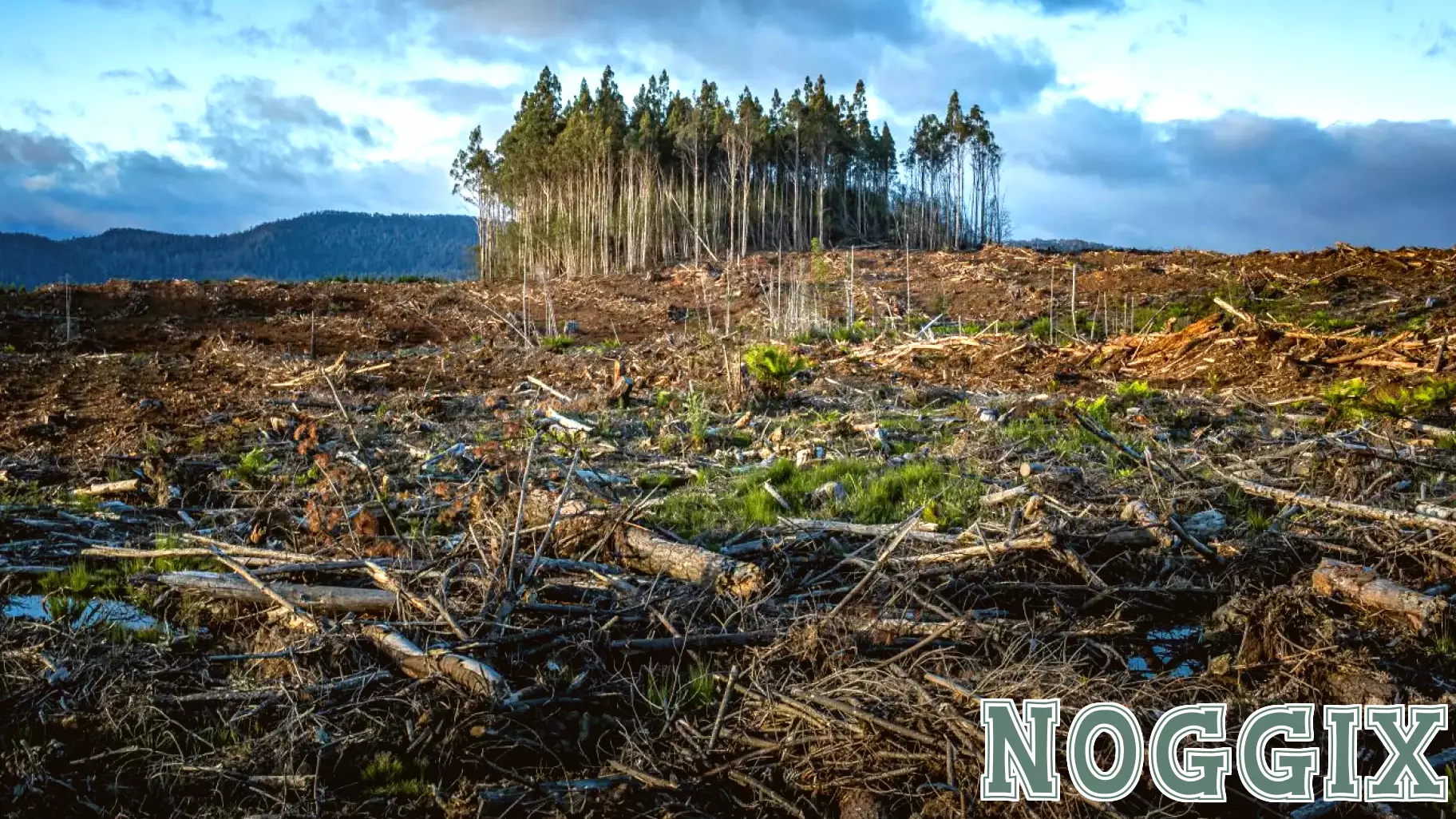
A form of distress called "eco-grief" is quietly spreading through communities around the world. Unlike the loss of a person or a pet, this grief stems from watching the natural world slowly unravel. It is the ache of a glacier that no longer exists, the hollow feeling of a forest that burned, or the quiet panic of a species blinking out of existence.
For many, this feeling is hard to name. It can show up as a low hum of anxiety, a sudden wave of sadness during a heatwave, or a sense of helplessness when reading about another environmental disaster. Psychologists and researchers are now saying that this is not just worry or stress. It is a legitimate form of grief, and it demands to be recognized.
The challenge is that eco-grief has no clear endpoint. There is no funeral, no closure, and no going back to how things were. The planet keeps changing, and the losses keep piling up. This makes the grieving process different from what we are used to. It is ongoing and collective, touching entire generations at once.
To cope, experts suggest that we must first acknowledge the pain. Pretending that the changes do not affect us only deepens the wound. Talking about it with others, finding community in shared sorrow, and allowing ourselves to feel the weight of the loss are crucial steps. Action can also help, not as a cure, but as a way to channel grief into purpose. Planting a tree, restoring a local creek, or simply reducing consumption can transform despair into a quiet form of resistance.
The most important thing is to understand that this grief is not a sign of weakness. It is a sign of deep connection to the world around us. Learning to carry this sorrow, while still finding reasons to care for what remains, may be one of the hardest tasks of our time.
MORE NEWS

July 16, 2026 - 21:32
Beyond the Therapy Room: Why Lived Experience MattersThe therapist brings the textbook. The client brings their story. But the peer mentor brings the road map of having walked a similar path. That third perspective is quietly reshaping how mental...

July 16, 2026 - 00:57
Psychology says people who love being in front of the camera aren’t narcissists, they may be driven by conA common assumption is that people who love being in front of the camera are driven by narcissism or a need for constant validation. But psychology suggests the reality is often more complex. Many...

July 15, 2026 - 01:39
E-cigarette Regulatory Gaps and Substance Use RecoveryE-cigarettes are often promoted as a harm reduction tool for adult smokers trying to quit traditional cigarettes. The FDA has backed this view, framing vaping as a less dangerous alternative. But a...
July 13, 2026 - 20:18
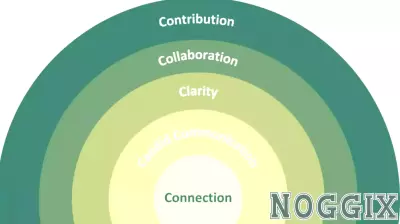
The New Science for Thriving Teams and CulturesFor years, leaders have treated culture as something soft, a vague concept that either happens or doesn`t. But a new evidence-based framework is changing that. The 5Cs model offers a concrete...