When Ableism Meets Racism, Coping with Dual Discrimination
June 2, 2026 - 17:27
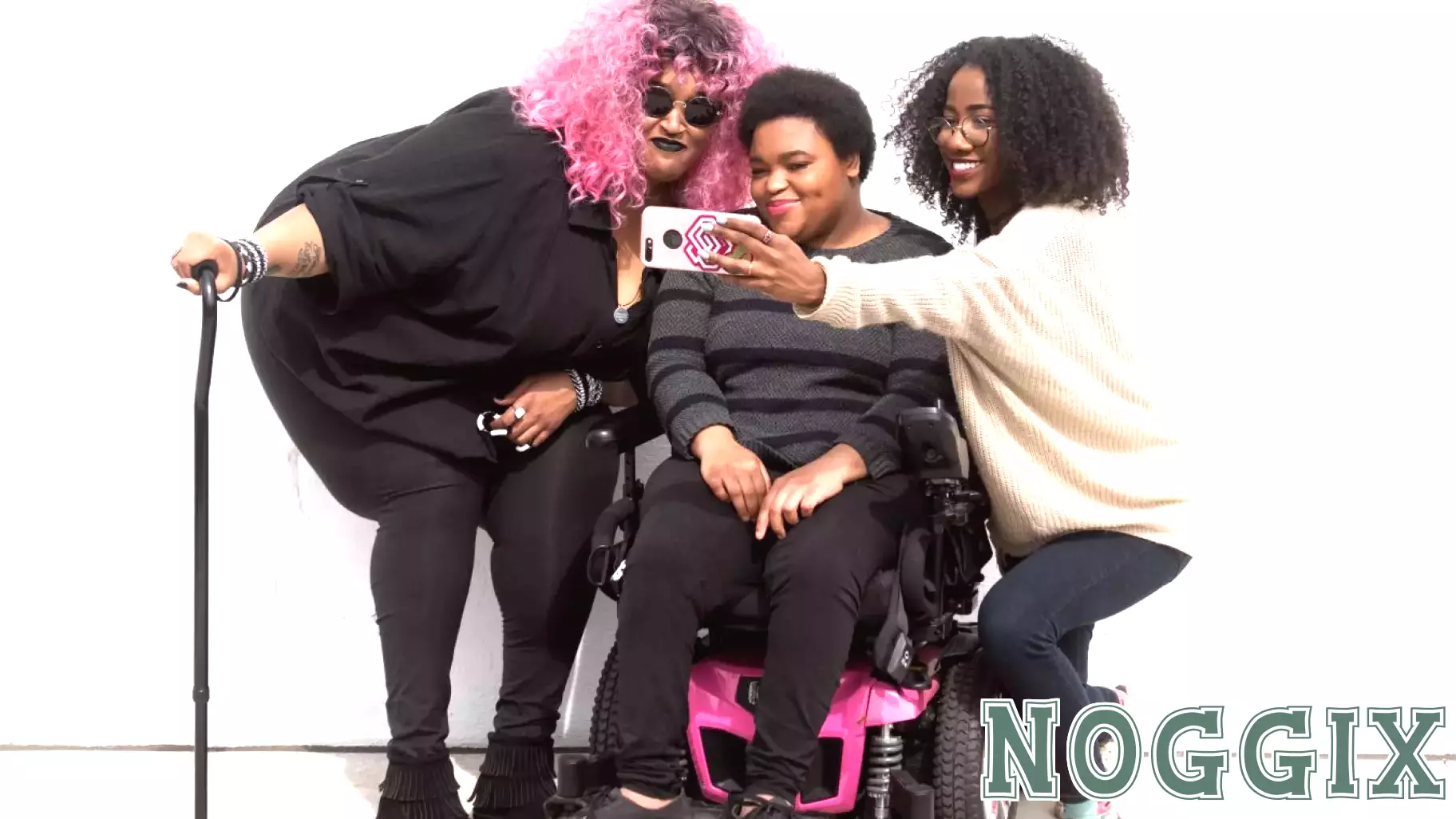
New research sheds light on the unique challenges faced by people who experience discrimination based on both their race and their disability. The study, which focuses on how individuals cope with this dual burden, reveals that appearance and the concept of "intersectional invisibility" play a major role in shaping their daily lives.
Researchers found that people who belong to both a racial minority and a disability group often face a specific kind of erasure. They are not fully seen by the disability community, which may be predominantly white, nor are they fully recognized within their own racial community, which may not always accommodate their disability. This invisibility forces them to constantly navigate two separate worlds, often feeling like an outsider in both.
The study also highlights the impact of physical appearance. For some, a visible disability like using a wheelchair or having a facial difference triggers immediate ableist reactions. When race is added to the mix, these reactions can become layered with racial stereotypes. For others with less visible disabilities, the struggle is different. They must decide when and how to disclose their condition, knowing that doing so might invite skepticism or accusations of faking.
Coping strategies varied widely. Some participants emphasized building strong, small networks of people who understood both aspects of their identity. Others reported a constant need to educate others, which proved exhausting. A few chose to prioritize one identity over the other in specific settings, a survival tactic that came with its own emotional cost.
The research underscores that traditional models of coping with discrimination are insufficient when multiple biases are at play. It calls for support systems and advocacy groups to recognize that a person's experience of ableism is often shaped by their race, and vice versa. Without this understanding, efforts to help may miss the mark entirely.
MORE NEWS

July 17, 2026 - 20:50
Can Smutty TV Change Relationship Expectations?The rise of so-called `smutty` television and the romantasy genre is doing more than just raising temperatures in living rooms. According to relationship experts, these explicit and emotionally...

July 17, 2026 - 08:45
How to Grieve a Changing PlanetA form of distress called `eco-grief` is quietly spreading through communities around the world. Unlike the loss of a person or a pet, this grief stems from watching the natural world slowly...

July 16, 2026 - 21:32
Beyond the Therapy Room: Why Lived Experience MattersThe therapist brings the textbook. The client brings their story. But the peer mentor brings the road map of having walked a similar path. That third perspective is quietly reshaping how mental...

July 16, 2026 - 00:57
Psychology says people who love being in front of the camera aren’t narcissists, they may be driven by conA common assumption is that people who love being in front of the camera are driven by narcissism or a need for constant validation. But psychology suggests the reality is often more complex. Many...