What's Behind the Fake Review
March 23, 2026 - 19:31
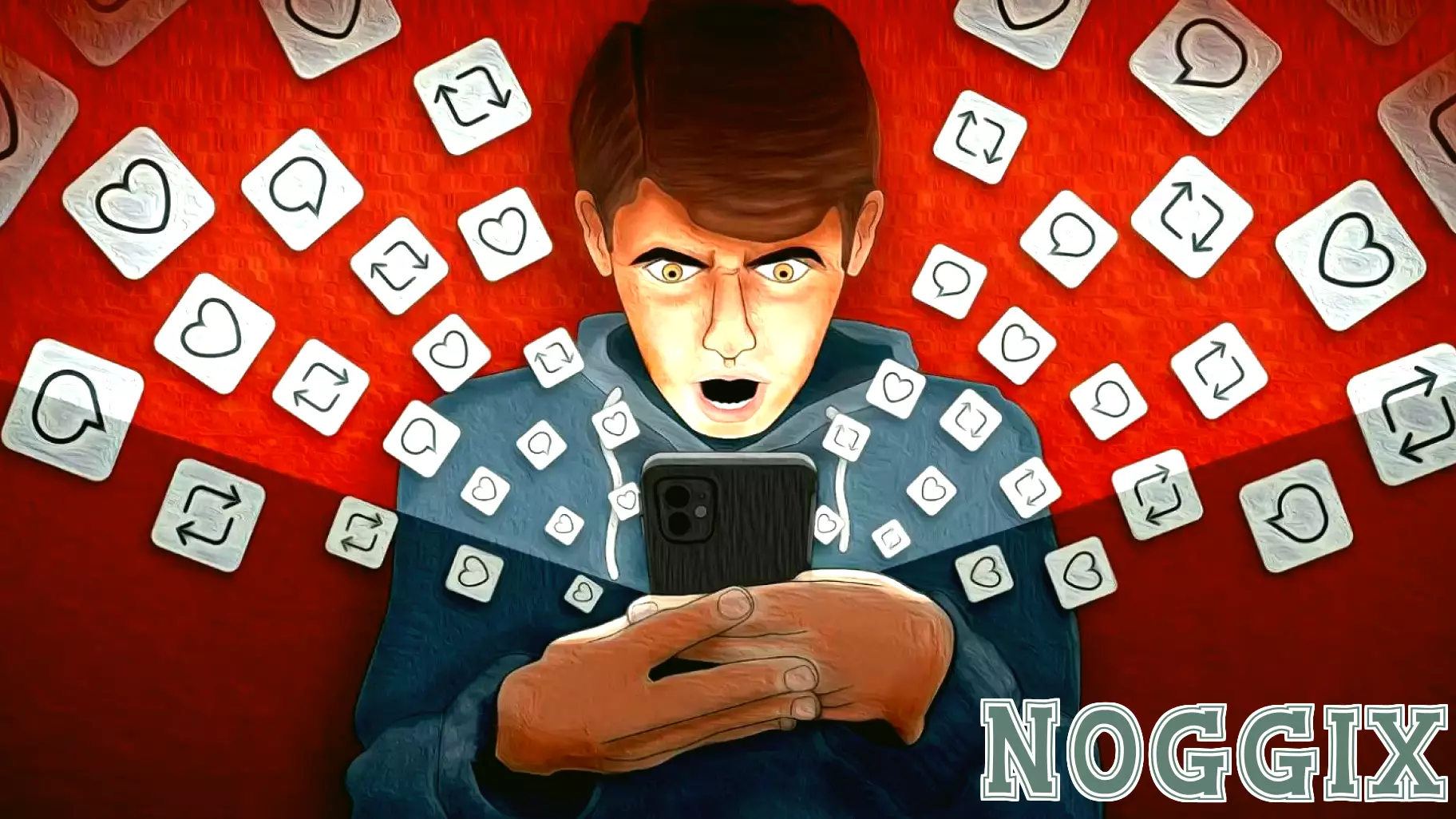
In today's digital marketplace, even the most discerning shoppers can be deceived by fabricated praise. The proliferation of fake reviews, increasingly powered by sophisticated AI, exploits deep-seated psychological biases to manipulate consumer choice. Understanding these forces is the first step toward critical thinking in an era of rampant misinformation.
A primary driver is social proof—the instinct to follow the crowd. A product with hundreds of glowing reviews triggers a herd mentality, signaling safety and quality. Scarcity bias is also leveraged; phrases like "selling out fast" in fake comments create artificial urgency. Furthermore, our brains favor confirmation bias, making us more likely to believe reviews that align with our initial inclination, while dismissing red flags.
These deceptive tactics are growing more advanced. AI-generated text can now mimic human writing patterns perfectly, producing convincing but entirely fictitious testimonials that are difficult to distinguish from genuine feedback.
To combat this, consumers must adopt a more skeptical approach. Look for reviews with specific, detailed experiences rather than vague superlatives. Be wary of an overload of five-star ratings posted in a short timeframe. Check the reviewer’s history for authenticity and prioritize balanced feedback that discusses both pros and cons. By recognizing the psychological hooks and scrutinizing content with a critical eye, shoppers can navigate online marketplaces with greater confidence and make informed purchasing decisions based on reality, not manipulation.
MORE NEWS

August 7, 2026 - 01:24
New Ways to Deal With the Inner CriticThat nagging voice in your head, the one that whispers you are not smart enough, fast enough, or good enough, is a common companion for many people. For years, the standard advice was to simply...

August 6, 2026 - 11:23
What My Therapist Knew Never Reached My Med CheckFor years, I saw two different doctors. One managed my prescriptions. The other managed my mind. The first asked about sleep, appetite, and side effects. The second asked about my childhood, my...

August 5, 2026 - 21:11
How Drug Abuse by Bicyclists Led to a Medicine for PsychosisThe history of medicine is full of strange twists, but few are as unexpected as the link between a group of drug-abusing cyclists and a breakthrough treatment for psychosis. It started not in a...

August 4, 2026 - 23:55
3 Ways Early Family Trauma Shapes Marriage in Later LifeNew research is shedding light on a difficult truth: the emotional scars we carry from early family life do not stay in the past. They walk with us into our marriages, often dictating how we argue,...