Understanding the Human Element in Personality Disorders
December 2, 2025 - 21:46

Recent studies highlight a significant gap in our understanding of personality disorders, emphasizing the need to consider the individual's inner experiences rather than relying solely on symptom checklists. Traditional approaches often categorize these disorders based on observable behaviors, neglecting the complex emotional and cognitive processes that shape a person's identity.
Research indicates that the subjective experiences of individuals with personality disorders play a crucial role in their overall well-being and treatment outcomes. By focusing on the “person” behind the diagnosis, mental health professionals can gain insights into how these individuals perceive themselves and their relationships with others. This shift in perspective encourages a more holistic approach to treatment, fostering empathy and understanding.
As mental health awareness grows, it becomes increasingly important to prioritize the unique narratives of those living with personality disorders. Emphasizing the human element can lead to more effective therapeutic strategies and improved quality of life for affected individuals.
MORE NEWS

July 16, 2026 - 21:32
Beyond the Therapy Room: Why Lived Experience MattersThe therapist brings the textbook. The client brings their story. But the peer mentor brings the road map of having walked a similar path. That third perspective is quietly reshaping how mental...

July 16, 2026 - 00:57
Psychology says people who love being in front of the camera aren’t narcissists, they may be driven by conA common assumption is that people who love being in front of the camera are driven by narcissism or a need for constant validation. But psychology suggests the reality is often more complex. Many...

July 15, 2026 - 01:39
E-cigarette Regulatory Gaps and Substance Use RecoveryE-cigarettes are often promoted as a harm reduction tool for adult smokers trying to quit traditional cigarettes. The FDA has backed this view, framing vaping as a less dangerous alternative. But a...
July 13, 2026 - 20:18
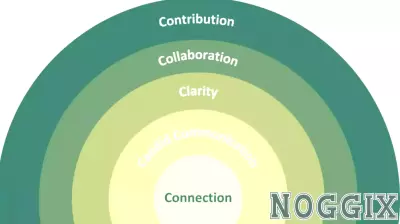
The New Science for Thriving Teams and CulturesFor years, leaders have treated culture as something soft, a vague concept that either happens or doesn`t. But a new evidence-based framework is changing that. The 5Cs model offers a concrete...