The Power of Smiling at Strangers
December 2, 2025 - 01:21

In a world increasingly recognizing the connection between mind and body, smiling at strangers may serve as a simple yet effective pathway to enhancing happiness. Research suggests that a genuine smile can trigger positive emotions not only in the person smiling but also in those who receive the smile. This small act of kindness fosters a sense of community and connection, breaking down social barriers and promoting a more positive atmosphere.
When we smile, our brain releases neurotransmitters like dopamine and serotonin, which are known to elevate mood and reduce stress. This phenomenon creates a ripple effect; when someone smiles at you, it often encourages you to smile back, amplifying the joy shared between individuals.
Moreover, smiling can be a powerful tool for improving social interactions. It can make conversations more engaging and help build rapport, making it easier to connect with others. In an era where social media often replaces face-to-face interactions, embracing the simple act of smiling at strangers can cultivate a more cheerful and connected society.
MORE NEWS

July 15, 2026 - 01:39
E-cigarette Regulatory Gaps and Substance Use RecoveryE-cigarettes are often promoted as a harm reduction tool for adult smokers trying to quit traditional cigarettes. The FDA has backed this view, framing vaping as a less dangerous alternative. But a...
July 13, 2026 - 20:18
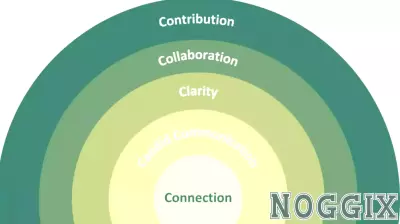
The New Science for Thriving Teams and CulturesFor years, leaders have treated culture as something soft, a vague concept that either happens or doesn`t. But a new evidence-based framework is changing that. The 5Cs model offers a concrete...
July 13, 2026 - 10:53
Quote of the day by Dale Carnegie: 'When dealing with people, remember you are not dealing with creaturesA famous quote from Dale Carnegie reminds us of a fundamental truth about human interaction: `When dealing with people, remember you are not dealing with creatures of logic, but creatures of...

July 12, 2026 - 22:38
The Power of Self-Compassion in Psychedelic-Assisted TherapyImagine what it would be like to have someone permanently by your side who, instead of being critical, is fully committed to protecting and supporting you. For many people undergoing...