Surprising Ways You’re Being Judged During Video Calls
January 27, 2026 - 04:45

The shift to videoconferencing has transformed professional communication, but it has also introduced subtle, often unconscious, forms of judgment that can impact careers and collaboration. Beyond simple technical glitches, these virtual meetings can actively hinder creative processes like brainstorming and foster subconscious bias against speakers.
A primary issue is the inherent limitation of the medium. The grid layout and delayed audio suppress the natural, rapid-fire exchange of ideas crucial for innovation. Furthermore, a speaker’s virtual background, lighting, camera angle, and even their internet connection speed can unfairly influence perceptions of their competence and credibility. Studies suggest that these environmental factors, unrelated to actual performance, can shape how colleagues and managers subconsciously evaluate an individual's professionalism and intelligence.
To combat these biases, both individuals and organizations can take proactive steps. For speakers, ensuring a neutral, tidy background with good, front-facing lighting is essential. Maintaining eye contact by looking at the camera, dressing professionally, and minimizing distractions can also project confidence. On an organizational level, leaders should advocate for camera-optional policies for certain meetings, emphasize content over presentation, and structure brainstorming sessions using shared digital documents instead of relying solely on the video call for idea generation. Recognizing these hidden pitfalls is the first step toward fostering a more equitable and productive virtual workspace.
MORE NEWS

July 26, 2026 - 20:50
Why Workaholics May Not Be Team PlayersFor many workaholics, the drive to do more comes from a genuine sense of duty. But new research suggests that this intense focus on individual output often backfires in a team setting. The core...
July 24, 2026 - 15:13
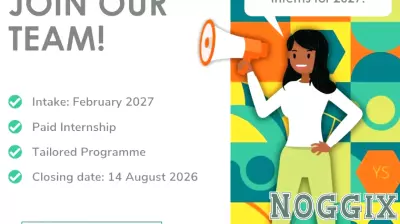
Yellow Seed 2027 Internship: A Paid Path Into Industrial Psychology With Exposure to AI-Driven HR TechStudents of Industrial Psychology looking for a practical edge beyond the typical internship might find a match in the Yellow Seed 2027 programme. The initiative provides a paid placement that...

July 23, 2026 - 23:17
Are the Kids Alright? Teens' Usage of AI Companions Is UpA growing number of teenagers are forming deep emotional bonds with artificial intelligence, using chatbots and virtual companions for friendship, emotional support, and even romantic interactions....

July 23, 2026 - 13:32
The Post-Truth Era: A Crisis of Trust or a Misunderstood Concept?The term `post-truth era` has become a common label for our current moment, describing a time where objective facts seem less influential in shaping public opinion than appeals to emotion and...