Psychology’s Misdiagnosis Problem
January 26, 2026 - 17:53

While numerous factors limit the effectiveness of psychological treatments, the issue of misdiagnosis presents a particularly frustrating paradox. In theory, it should be the most straightforward problem to solve. In practice, however, it remains one of the field's most stubborn and difficult challenges to overcome.
Accurate diagnosis is the critical foundation for any successful treatment plan. A correct label should point the way to the most effective, evidence-based interventions. Yet, the complex and often overlapping symptoms of mental health conditions make clear-cut distinctions difficult. Symptoms of depression can mirror those of anxiety; ADHD can be confused with bipolar disorder; and trauma responses can manifest in ways that resemble several other conditions.
This diagnostic ambiguity has real-world consequences. An individual receiving treatment for the wrong condition can spend months, or even years, on therapies and medications that provide little relief, eroding their trust in the healthcare system and prolonging their suffering. The problem is compounded by systemic pressures, including short appointment times, limited patient history, and the inherent subjectivity in interpreting a patient's reported experiences.
Addressing this deep-seated issue requires a multifaceted approach, emphasizing comprehensive assessments, continued education for practitioners on nuanced presentations, and a greater focus on the individual's unique story rather than just a checklist of symptoms. Until this happens, misdiagnosis will continue to undermine the potential of psychological help for countless individuals.
MORE NEWS

July 26, 2026 - 20:50
Why Workaholics May Not Be Team PlayersFor many workaholics, the drive to do more comes from a genuine sense of duty. But new research suggests that this intense focus on individual output often backfires in a team setting. The core...
July 24, 2026 - 15:13
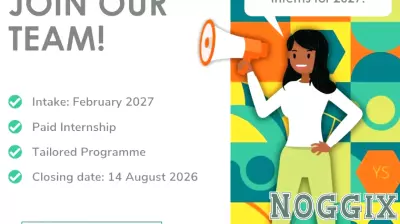
Yellow Seed 2027 Internship: A Paid Path Into Industrial Psychology With Exposure to AI-Driven HR TechStudents of Industrial Psychology looking for a practical edge beyond the typical internship might find a match in the Yellow Seed 2027 programme. The initiative provides a paid placement that...

July 23, 2026 - 23:17
Are the Kids Alright? Teens' Usage of AI Companions Is UpA growing number of teenagers are forming deep emotional bonds with artificial intelligence, using chatbots and virtual companions for friendship, emotional support, and even romantic interactions....

July 23, 2026 - 13:32
The Post-Truth Era: A Crisis of Trust or a Misunderstood Concept?The term `post-truth era` has become a common label for our current moment, describing a time where objective facts seem less influential in shaping public opinion than appeals to emotion and...