Psychology says true introverts don't hate people - they hate the performance of people, the small talk that circles the runway and never lands
April 18, 2026 - 01:56

There's a rooftop bar in District 3 where I go sometimes, usually alone, usually with a book. Last Tuesday, a guy I'd met once at a media conference spotted me. Within minutes, I was trapped in a vortex of weather commentary, real estate prices, and the dizzying logistics of his upcoming golf trip. My smile felt stapled on. This, psychology suggests, is the core experience for many true introverts: not a dislike for people, but a profound exhaustion with the relentless performance social interaction often demands.
The small talk that circles the runway and never lands, the ritualized exchanges about traffic and workloads—these are the social taxes introverts find most draining. It's not the substance of deep, one-on-one connection that is aversive, but the energy required to maintain the superficial script. For the introverted mind, these performances lack authenticity and depth, feeling like a diversion from more meaningful engagement.
This distinction is crucial. An introvert may cherish a few close friends and engage in passionate, hours-long conversations about ideas, emotions, or shared interests. The aversion is to the theatrical aspect of socialization—the putting on of a persona to navigate crowds, parties, or obligatory chatter. It is the cognitive and emotional labor of performing sociability that leads to retreat, not the presence of others itself. The need is not for isolation, but for interaction that lands, that feels real and substantive, making the quiet companionship of a trusted friend or the solitude of a book not an antisocial act, but a necessary recharge.
MORE NEWS

July 16, 2026 - 21:32
Beyond the Therapy Room: Why Lived Experience MattersThe therapist brings the textbook. The client brings their story. But the peer mentor brings the road map of having walked a similar path. That third perspective is quietly reshaping how mental...

July 16, 2026 - 00:57
Psychology says people who love being in front of the camera aren’t narcissists, they may be driven by conA common assumption is that people who love being in front of the camera are driven by narcissism or a need for constant validation. But psychology suggests the reality is often more complex. Many...

July 15, 2026 - 01:39
E-cigarette Regulatory Gaps and Substance Use RecoveryE-cigarettes are often promoted as a harm reduction tool for adult smokers trying to quit traditional cigarettes. The FDA has backed this view, framing vaping as a less dangerous alternative. But a...
July 13, 2026 - 20:18
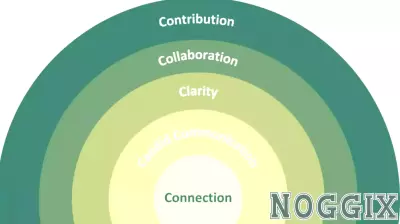
The New Science for Thriving Teams and CulturesFor years, leaders have treated culture as something soft, a vague concept that either happens or doesn`t. But a new evidence-based framework is changing that. The 5Cs model offers a concrete...