Psychological Thought Mirrors the Spirit of the Times
January 27, 2026 - 21:03
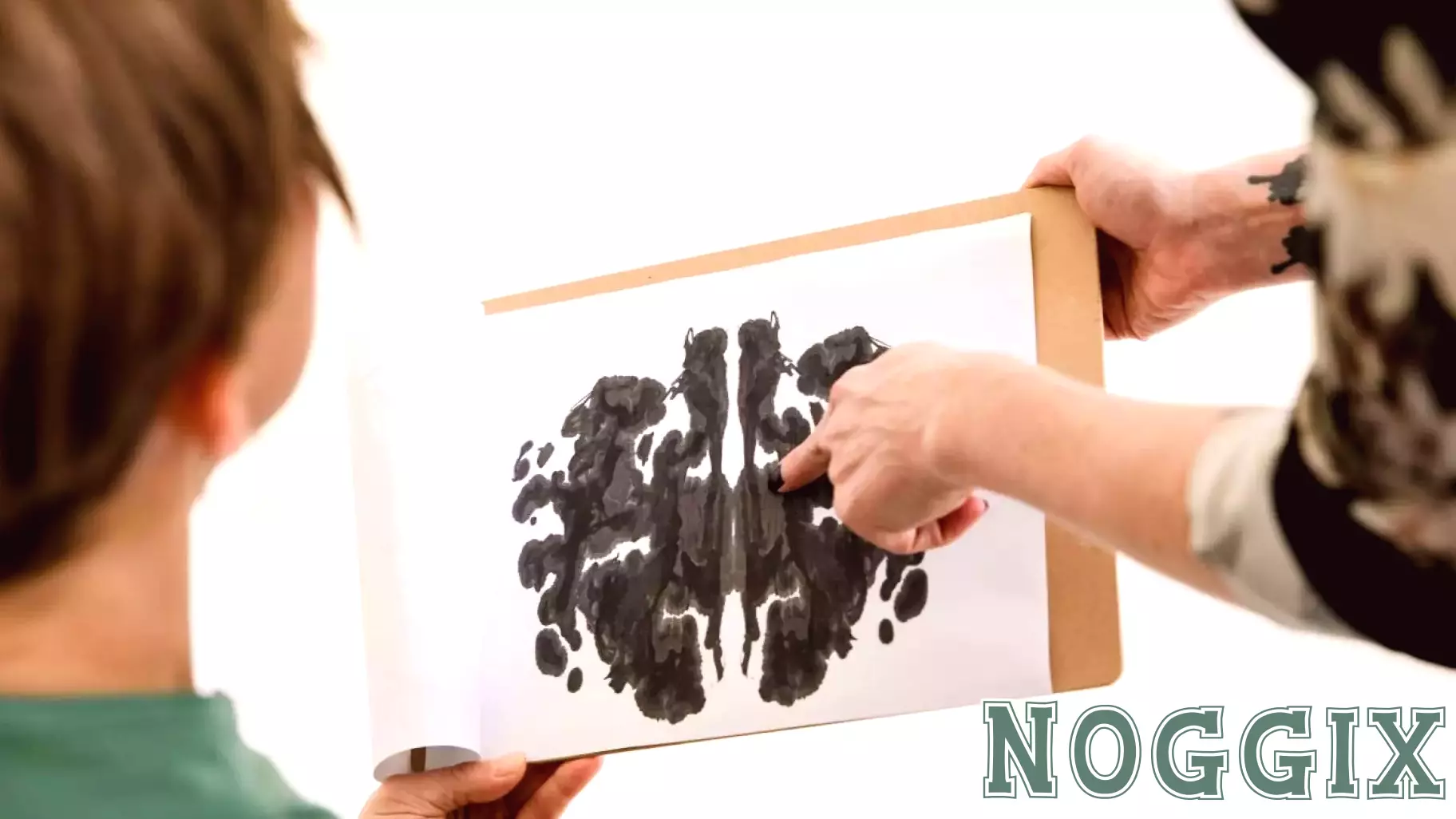
The field of psychology does not develop in a vacuum. A growing body of analysis suggests that its dominant theories and frameworks often shift in alignment with broader societal values and cultural moods, acting less as a rigid science and more as a mirror to the era.
Historically, the rise of psychoanalysis in the early 20th century resonated with a society fascinated by introspection, hidden drives, and personal narrative. Later, the mid-century boom of behaviorism, focusing on observable and controllable actions, mirrored an industrial age preoccupied with efficiency, predictability, and management. In recent decades, the overwhelming focus on positive psychology and mindfulness coincides with a cultural turn toward self-optimization and individual well-being.
This pattern indicates that what psychologists choose to study—and how they interpret human nature—is subtly shaped by the prevailing social climate. Theories gain traction not solely on pure scientific merit, but also by addressing the anxieties, aspirations, and questions most pressing to the public consciousness. Consequently, understanding the history of psychology offers a unique lens through which to view the evolution of societal priorities and the changing concept of the self across generations. The discipline, therefore, serves as both a study of the mind and a historical record of what each age believes the mind should be.
MORE NEWS

July 26, 2026 - 20:50
Why Workaholics May Not Be Team PlayersFor many workaholics, the drive to do more comes from a genuine sense of duty. But new research suggests that this intense focus on individual output often backfires in a team setting. The core...

July 24, 2026 - 15:13
Yellow Seed 2027 Internship: A Paid Path Into Industrial Psychology With Exposure to AI-Driven HR TechStudents of Industrial Psychology looking for a practical edge beyond the typical internship might find a match in the Yellow Seed 2027 programme. The initiative provides a paid placement that...
July 23, 2026 - 23:17
Are the Kids Alright? Teens' Usage of AI Companions Is UpA growing number of teenagers are forming deep emotional bonds with artificial intelligence, using chatbots and virtual companions for friendship, emotional support, and even romantic interactions....

July 23, 2026 - 13:32
The Post-Truth Era: A Crisis of Trust or a Misunderstood Concept?The term `post-truth era` has become a common label for our current moment, describing a time where objective facts seem less influential in shaping public opinion than appeals to emotion and...