Navigating Changes in Intimacy After Becoming Parents
August 30, 2025 - 08:17
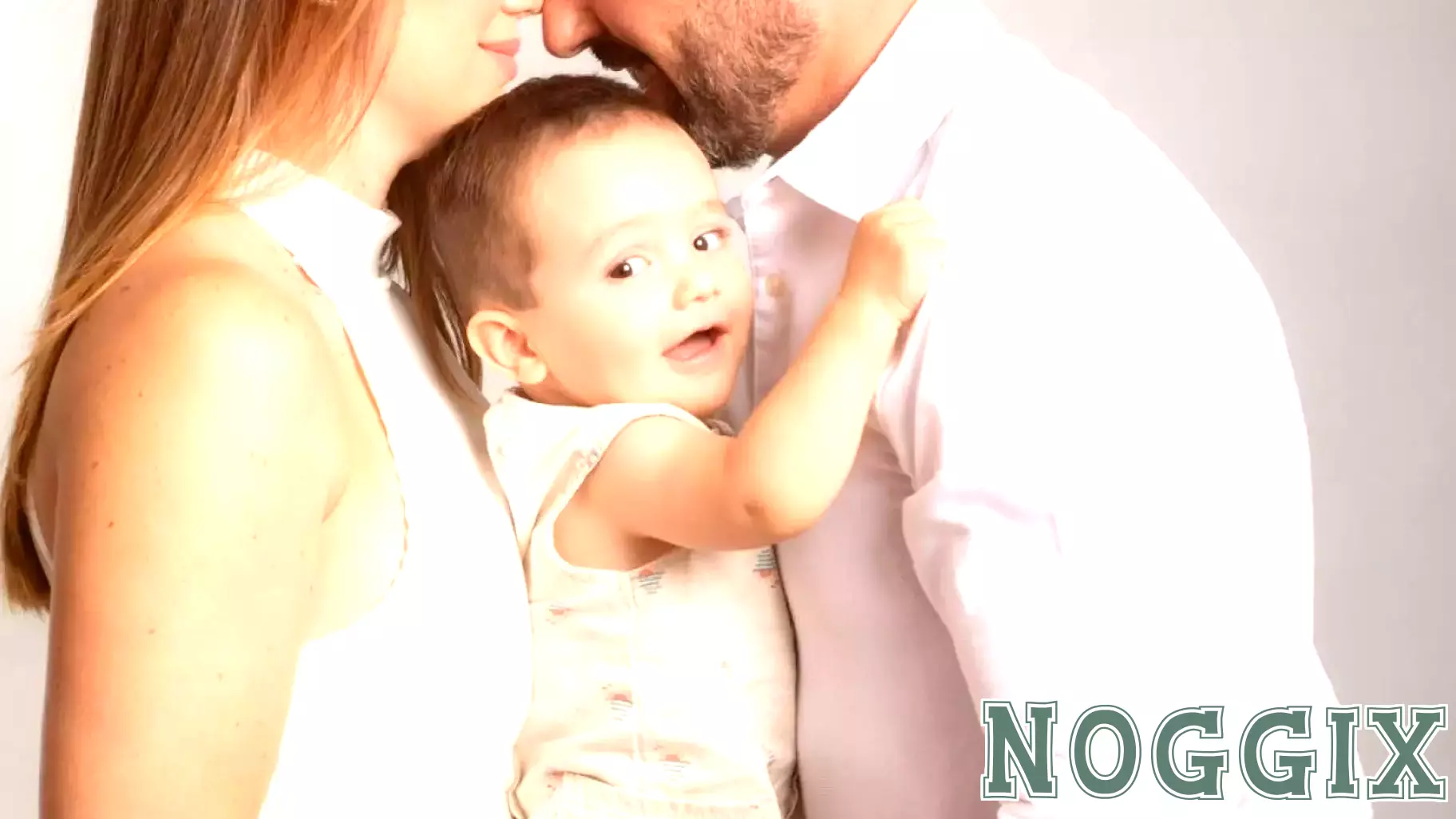
Entering the realm of parenthood brings a whirlwind of changes that can significantly impact intimate relationships. Many couples find that their emotional and physical connections shift dramatically after welcoming a child. Research indicates that this phenomenon is not uncommon, as the demands of parenting often take precedence over personal time and intimacy.
The transition to parenthood can lead to feelings of exhaustion, stress, and a reallocation of priorities, which may leave little room for nurturing the romantic aspects of a relationship. Couples frequently report a decline in intimacy, as the focus shifts to caring for a newborn, leading to feelings of disconnect and isolation.
Experts suggest that open communication is crucial in navigating these changes. Couples are encouraged to discuss their feelings and needs openly, fostering an environment where both partners can express their concerns. Additionally, carving out time for each other, even amidst the chaos of parenting, can help rekindle intimacy and strengthen the bond between partners. Ultimately, understanding that these changes are a shared experience can help couples navigate the complexities of new parenthood together.
MORE NEWS

July 17, 2026 - 20:50
Can Smutty TV Change Relationship Expectations?The rise of so-called `smutty` television and the romantasy genre is doing more than just raising temperatures in living rooms. According to relationship experts, these explicit and emotionally...

July 17, 2026 - 08:45
How to Grieve a Changing PlanetA form of distress called `eco-grief` is quietly spreading through communities around the world. Unlike the loss of a person or a pet, this grief stems from watching the natural world slowly...

July 16, 2026 - 21:32
Beyond the Therapy Room: Why Lived Experience MattersThe therapist brings the textbook. The client brings their story. But the peer mentor brings the road map of having walked a similar path. That third perspective is quietly reshaping how mental...

July 16, 2026 - 00:57
Psychology says people who love being in front of the camera aren’t narcissists, they may be driven by conA common assumption is that people who love being in front of the camera are driven by narcissism or a need for constant validation. But psychology suggests the reality is often more complex. Many...