How Biology Helps Shape Choice in Behavioral Economics
June 9, 2026 - 22:11
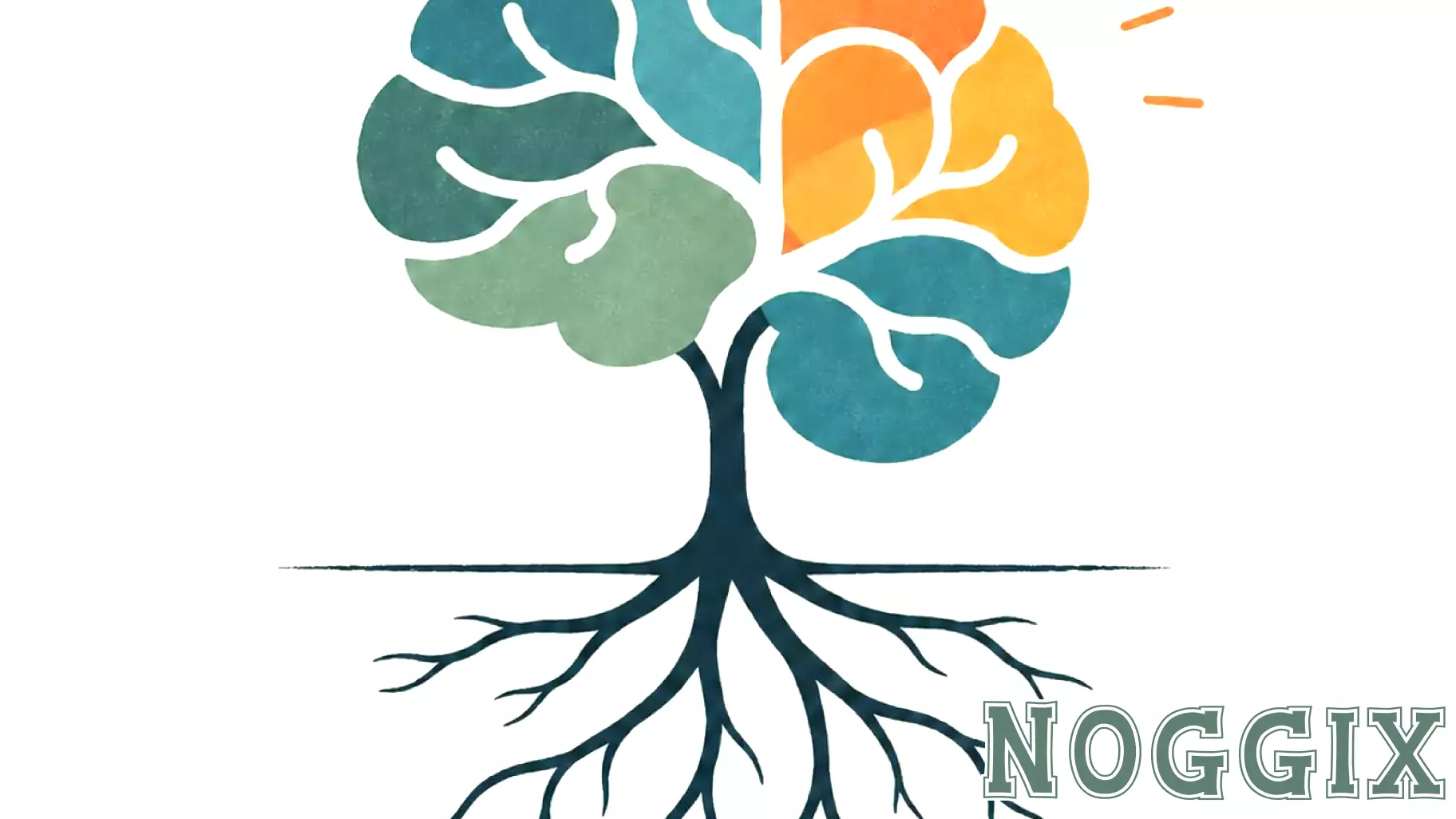
For years, behavioral economics has focused on the mind's quirks -- cognitive biases, mental shortcuts, and predictable errors in judgment. But a growing wave of research argues that this picture is incomplete. To truly understand why people choose the way they do, economists and psychologists are now turning to biology.
The core idea is simple: human decision-making is not a purely mental process. It is deeply influenced by the body's lived experience, emotional states, and developmental history. A person who is hungry, tired, or stressed does not think the same way as someone who is well-rested and calm. Hormones like cortisol and oxytocin, neurotransmitter levels, and even the microbiome in the gut can shift preferences for risk, patience, or social cooperation.
Emotion, long dismissed as an irrational interference, is now seen as a critical guide. Fear can sharpen risk assessment, while disgust can override logical calculations of value. Developmental biology also plays a role. Early childhood stress, nutrition, and attachment patterns wire the brain for specific decision-making styles that persist into adulthood. A person raised in scarcity may develop a biological sensitivity to immediate rewards, not because they lack willpower, but because their body learned that the future is uncertain.
This biological lens does not replace traditional behavioral models. It enriches them. It explains why some biases are universal and others vary across individuals. It also suggests that changing behavior may require more than nudges or information campaigns. It may require addressing the underlying biological conditions that shape choice in the first place. For policymakers and marketers alike, the message is clear: the body is not a distraction from decision-making. It is the engine.
MORE NEWS
July 24, 2026 - 15:13
Yellow Seed 2027 Internship: A Paid Path Into Industrial Psychology With Exposure to AI-Driven HR TechStudents of Industrial Psychology looking for a practical edge beyond the typical internship might find a match in the Yellow Seed 2027 programme. The initiative provides a paid placement that...
July 23, 2026 - 23:17
Are the Kids Alright? Teens' Usage of AI Companions Is UpA growing number of teenagers are forming deep emotional bonds with artificial intelligence, using chatbots and virtual companions for friendship, emotional support, and even romantic interactions....

July 23, 2026 - 13:32
The Post-Truth Era: A Crisis of Trust or a Misunderstood Concept?The term `post-truth era` has become a common label for our current moment, describing a time where objective facts seem less influential in shaping public opinion than appeals to emotion and...
July 22, 2026 - 23:07
What Explains a Person's Sense of Entitlement?Former kings and queens behaved differently from you and me. They believed their status was a birthright, a divine order that placed them above the common crowd. Today, that same sense of...