Healing Through Adversity: Lessons from Escaping Abuse
September 4, 2025 - 05:06
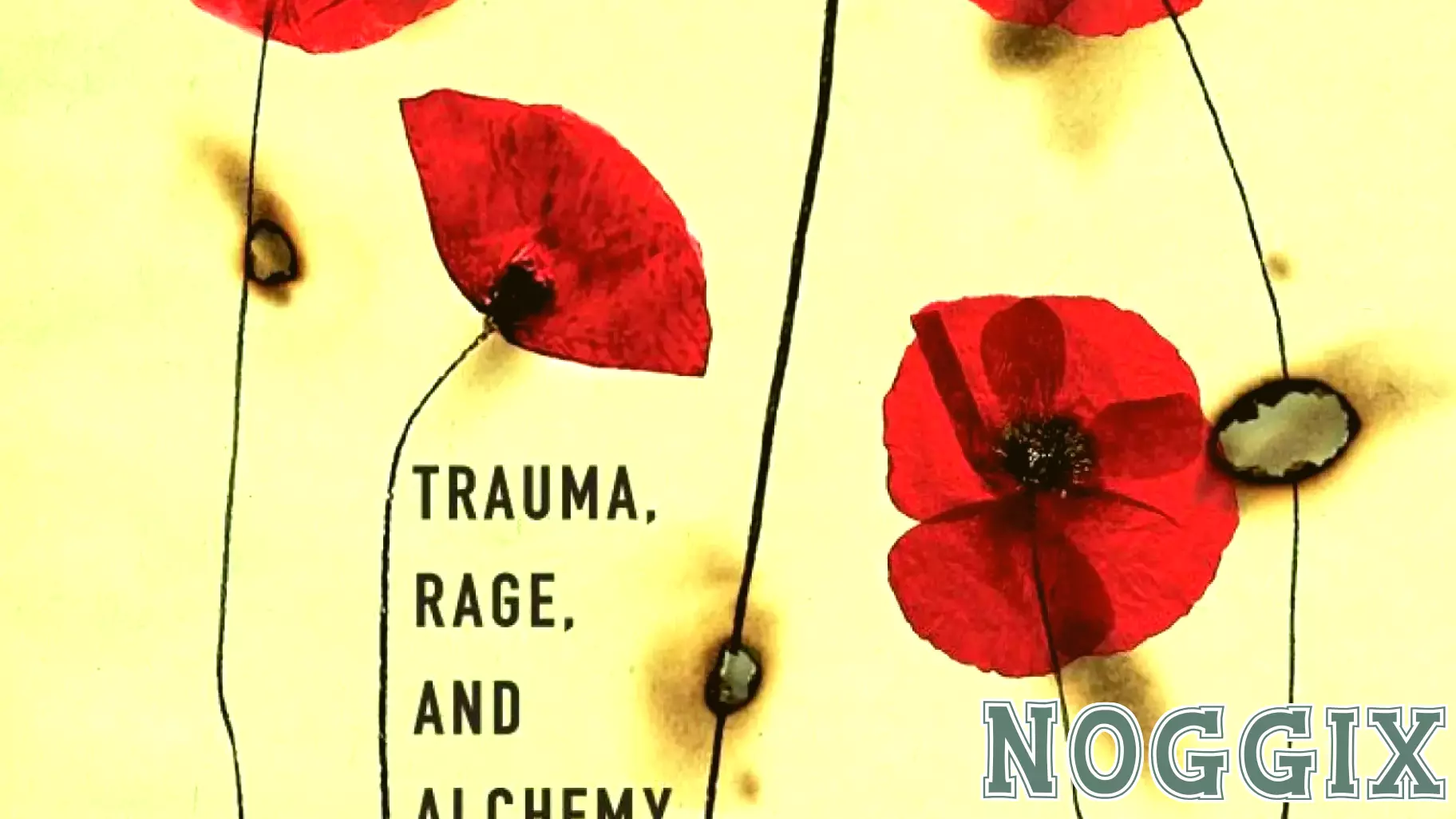
Kelly Sundberg's latest work, The Answer is in the Wound, offers a profound exploration of resilience and healing following her escape from an abusive marriage. Through her poignant narrative, Sundberg shares the emotional and psychological scars left by her experiences, transforming her pain into a source of strength and insight.
The book delves into the complexities of abuse, shedding light on the often-hidden struggles faced by survivors. Sundberg's writing is both raw and illuminating, capturing the duality of suffering and recovery. She articulates the importance of acknowledging one’s wounds, suggesting that true healing comes from confronting and understanding the past rather than burying it.
In her luminous prose, Sundberg provides readers with a radiant gift—an invitation to reflect on their own life experiences and the lessons learned from adversity. Her work serves as a testament to the power of vulnerability and the strength found in sharing one’s story. Ultimately, The Answer is in the Wound is not just a memoir; it is a beacon of hope for anyone navigating the aftermath of trauma.
MORE NEWS

July 17, 2026 - 20:50
Can Smutty TV Change Relationship Expectations?The rise of so-called `smutty` television and the romantasy genre is doing more than just raising temperatures in living rooms. According to relationship experts, these explicit and emotionally...

July 17, 2026 - 08:45
How to Grieve a Changing PlanetA form of distress called `eco-grief` is quietly spreading through communities around the world. Unlike the loss of a person or a pet, this grief stems from watching the natural world slowly...

July 16, 2026 - 21:32
Beyond the Therapy Room: Why Lived Experience MattersThe therapist brings the textbook. The client brings their story. But the peer mentor brings the road map of having walked a similar path. That third perspective is quietly reshaping how mental...

July 16, 2026 - 00:57
Psychology says people who love being in front of the camera aren’t narcissists, they may be driven by conA common assumption is that people who love being in front of the camera are driven by narcissism or a need for constant validation. But psychology suggests the reality is often more complex. Many...