Fiction as a Warning: How Future-Gazing Narratives Prepare Us for Disasters
September 1, 2025 - 23:07
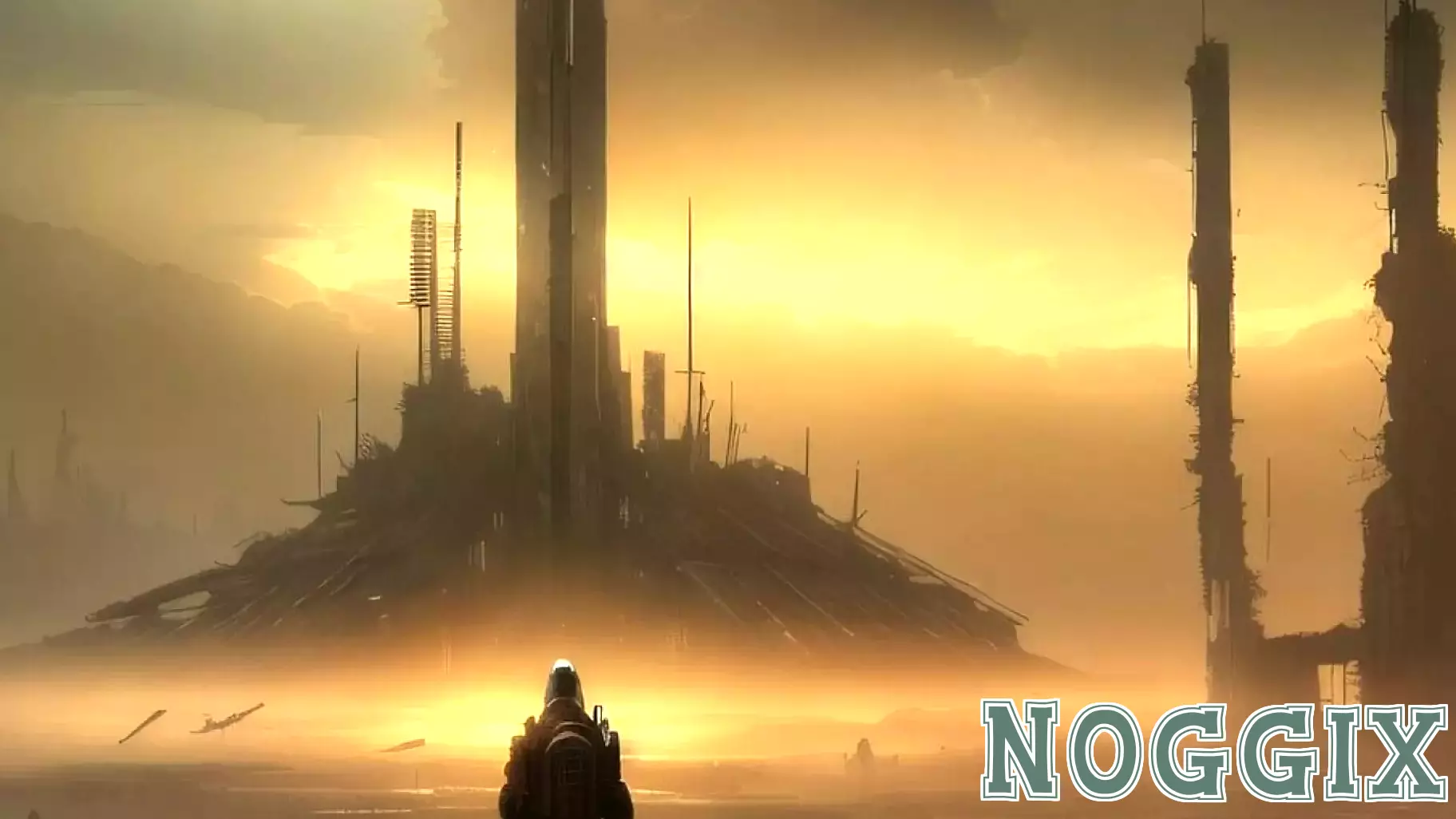
In an era where the threat of global crises looms large, future-gazing fiction serves as a vital lens through which we can examine potential disasters. These narratives, often set in dystopian landscapes, compel us to confront uncomfortable realities that may otherwise be overlooked. By envisioning scenarios of environmental collapse, societal breakdown, or technological overreach, authors create cautionary tales that resonate with contemporary issues.
This genre not only entertains but also educates, prompting readers to consider the consequences of inaction. As we face challenges such as climate change, political instability, and public health crises, these stories encourage critical thinking and proactive measures. They act as a mirror reflecting our current trajectory, urging us to alter course before it’s too late.
Ultimately, future-gazing fiction is more than mere escapism; it is a call to awareness and action, reminding us that the choices we make today will shape the world of tomorrow. Through engaging narratives, we are invited to reflect on our responsibilities and the impact of our decisions on future generations.
MORE NEWS

July 17, 2026 - 20:50
Can Smutty TV Change Relationship Expectations?The rise of so-called `smutty` television and the romantasy genre is doing more than just raising temperatures in living rooms. According to relationship experts, these explicit and emotionally...

July 17, 2026 - 08:45
How to Grieve a Changing PlanetA form of distress called `eco-grief` is quietly spreading through communities around the world. Unlike the loss of a person or a pet, this grief stems from watching the natural world slowly...

July 16, 2026 - 21:32
Beyond the Therapy Room: Why Lived Experience MattersThe therapist brings the textbook. The client brings their story. But the peer mentor brings the road map of having walked a similar path. That third perspective is quietly reshaping how mental...

July 16, 2026 - 00:57
Psychology says people who love being in front of the camera aren’t narcissists, they may be driven by conA common assumption is that people who love being in front of the camera are driven by narcissism or a need for constant validation. But psychology suggests the reality is often more complex. Many...