Exploring the Intersection of Human and Artificial Intelligence
October 19, 2025 - 00:32
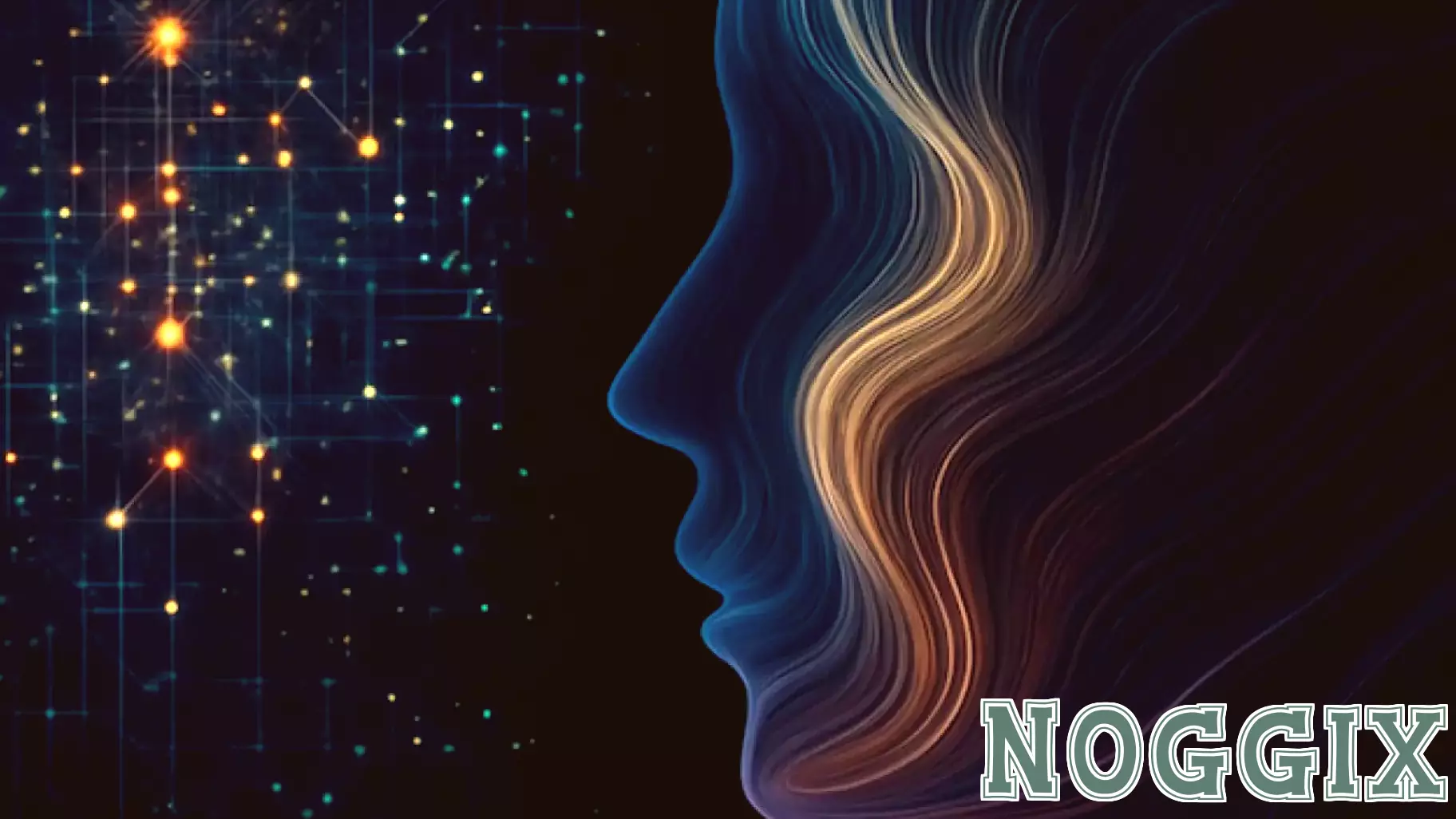
What if the next great leap in intelligence isn’t human or artificial, but the space between them? Recent advancements in artificial intelligence have sparked a transformative dialogue about the relationship between human cognition and machine learning. Researchers are increasingly focused on how these two forms of intelligence can complement each other, leading to a deeper understanding of thought processes.
This emerging field, often referred to as "parallax cognition," suggests that intelligence is not a binary concept but rather a spectrum where human and AI capabilities intersect. By leveraging the strengths of both, we can achieve more profound insights and innovative solutions to complex problems.
For example, AI systems can analyze vast datasets far beyond human capability, while humans bring creativity, emotional intelligence, and ethical considerations to the table. This collaboration could pave the way for breakthroughs in various sectors, from healthcare to education, ultimately reshaping how we think about intelligence itself. As we continue to explore this synergy, the potential for enhanced cognitive capabilities becomes increasingly promising.
MORE NEWS

July 17, 2026 - 20:50
Can Smutty TV Change Relationship Expectations?The rise of so-called `smutty` television and the romantasy genre is doing more than just raising temperatures in living rooms. According to relationship experts, these explicit and emotionally...

July 17, 2026 - 08:45
How to Grieve a Changing PlanetA form of distress called `eco-grief` is quietly spreading through communities around the world. Unlike the loss of a person or a pet, this grief stems from watching the natural world slowly...

July 16, 2026 - 21:32
Beyond the Therapy Room: Why Lived Experience MattersThe therapist brings the textbook. The client brings their story. But the peer mentor brings the road map of having walked a similar path. That third perspective is quietly reshaping how mental...

July 16, 2026 - 00:57
Psychology says people who love being in front of the camera aren’t narcissists, they may be driven by conA common assumption is that people who love being in front of the camera are driven by narcissism or a need for constant validation. But psychology suggests the reality is often more complex. Many...