Exploring the Connection Between Cat Ownership and Declining Birth Rates
June 11, 2025 - 02:49
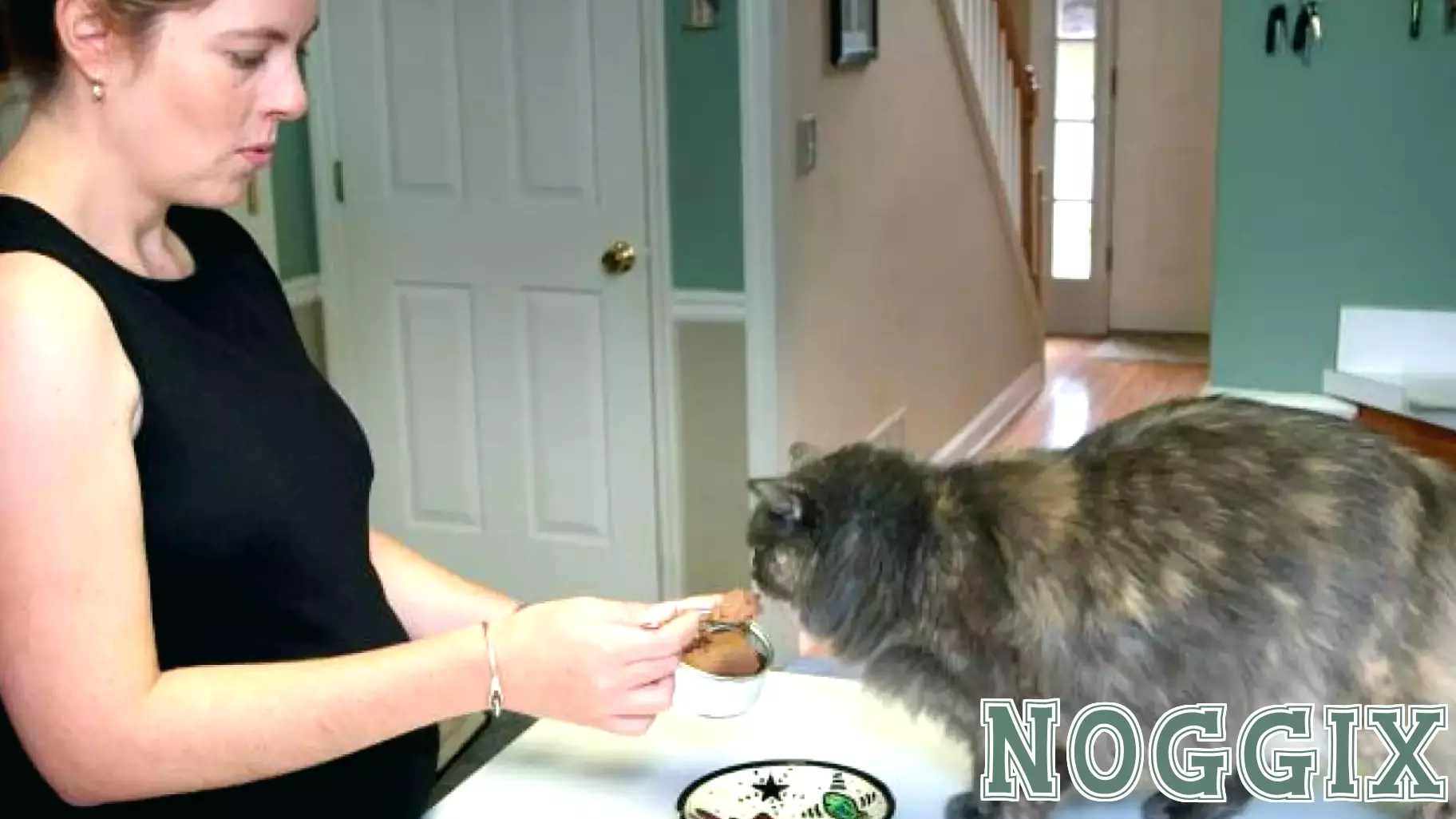
Recent discussions have emerged around the stereotype of "cat ladies" and whether there is a tangible link between cat ownership and declining birth rates. This phenomenon raises intriguing questions about the impact of pets on family planning decisions.
Research indicates that a parasite commonly spread by cats, known as Toxoplasma gondii, may have implications for male fertility. This parasite can influence hormonal changes that might affect reproductive health. While the connection between cat ownership and declining birth rates is still under investigation, the idea that pet ownership could play a role in family dynamics is gaining traction.
In many cultures, the image of a cat owner often aligns with the narrative of a childless woman, which further complicates societal perceptions about family structures. As more individuals choose to adopt pets over having children, it prompts a closer examination of the factors influencing personal choices regarding parenthood. The interplay between pet ownership and reproductive health continues to be a topic of interest for researchers and policymakers alike.
MORE NEWS

July 10, 2026 - 05:01
Why Losing Your Job to AI Might Reveal What You Actually AreA translator who once earned a comfortable living from his language skills recently watched 70 percent of his income vanish. Not because he got worse at his job. Not because clients stopped needing...

July 9, 2026 - 00:10
How Choosing Hope Can Empower YouIt is easy to think of hope as a passive feeling, something that happens to you when things go well. But a growing body of research suggests that hope is actually an active skill, a choice that can...

July 8, 2026 - 01:50
How Islamophobia Harms Us AllAttacks on Muslim political figures and distorted media portrayals continue to paint an entire faith community as a danger to the United States. But the real threat to national security and social...

July 6, 2026 - 02:50
Psychology says people who are extremely brand conscious aren't always trying to impress others, it may reNew research in consumer psychology suggests that people who are extremely brand conscious are not always trying to impress others or climb the social ladder. While many assume that buying...