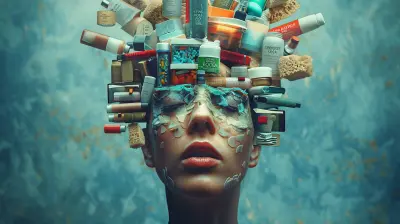
Why Helping Others Can Make You Happier: Insights from Psychology
31 March 2026
Have you ever noticed how good it feels to lend a hand to someone else—whether it's holding the door open, giving a compliment, or volunteering your time? That warm, fuzzy feeling you get isn't just in your head. Psychology backs it up: helping others can actually make you a happier person.
It’s kind of like emotional boomerang. You throw out kindness and—bam!—it comes right back at you, often bigger and better. But why does this happen? And what’s really going on in the brain when you volunteer, give back, or simply show kindness?
Let’s dive deep into the fascinating science behind why doing good feels good.
The Science of Happiness and Helping
Alright, so what’s the deal? Why would doing something for someone else affect your mood? Shouldn’t giving require a sacrifice?Turns out, not really.
The Brain’s “Helper’s High”
There’s this super interesting term called the “helper’s high.” It’s not just a catchy phrase—it’s a real psychological phenomenon. When you help someone, your brain releases feel-good chemicals like dopamine, serotonin, and oxytocin. These are the same chemicals responsible for joy, love, and connection.Think of your brain like a reward machine. Every time you do something kind, it lights up like a pinball machine, rewarding you with a dose of happiness hormones. Nice, right?
Oxytocin: The Love Hormone at Play
Oxytocin, often called the “love hormone,” is released when we bond with others. Guess what? Helping someone causes a release of oxytocin too. That’s why people who regularly volunteer or give to charity often feel more connected and satisfied with life.
What Psychology Says About Altruism and Joy
Helping others has long been a topic of interest in the psychology world. From Freud to modern-day therapists, the connection between altruism and happiness has been studied from all angles.Altruism Isn’t Always Selfless—And That’s Okay
Contrary to what many believe, helping others doesn’t have to be 100% selfless to still be beneficial. In fact, psychologists say that altruism—doing something for others—can have mutual benefits.Is it bad to feel good after doing good? Not at all.
Psychologists argue that it’s actually natural to receive emotional returns from doing kind deeds. It's a win-win. You help someone, and you feel happier. What’s not to love?
The “Feel-Good” Feedback Loop
Here’s how it works: You help someone → you feel good → you’re more likely to help again. That’s the cycle of kindness. The more you engage in helpful behaviors, the more you’ll want to keep doing it. It becomes almost addictive—but in the best way possible.
How Helping Others Improves Mental Health
Okay, so we’ve talked about the brain and psychology, but what about real-world mental health benefits?Reduced Stress and Anxiety
When you're focused on helping someone else, you're not wallowing in your own problems. You're engaging, connecting, and shifting your focus outward. This can be an instant mood lifter and even reduce stress hormones like cortisol.Think of it like emotional multitasking. You’re taking a break from your own stress while actively doing something positive.
Lower Risk of Depression
Studies have shown that people who regularly volunteer or engage in community service report fewer symptoms of depression. Helping others gives life a sense of meaning and purpose—two ingredients that are vital for mental well-being.It's like filling your emotional tank with high-octane purpose fuel.
Increased Longevity and Health
Believe it or not, some studies have found that people who volunteer live longer. Yup, you read that right. Helping others doesn’t just feel good—it might help you live better and longer. Some researchers think this may be due to reduced stress, increased social connection, and improved lifestyle habits.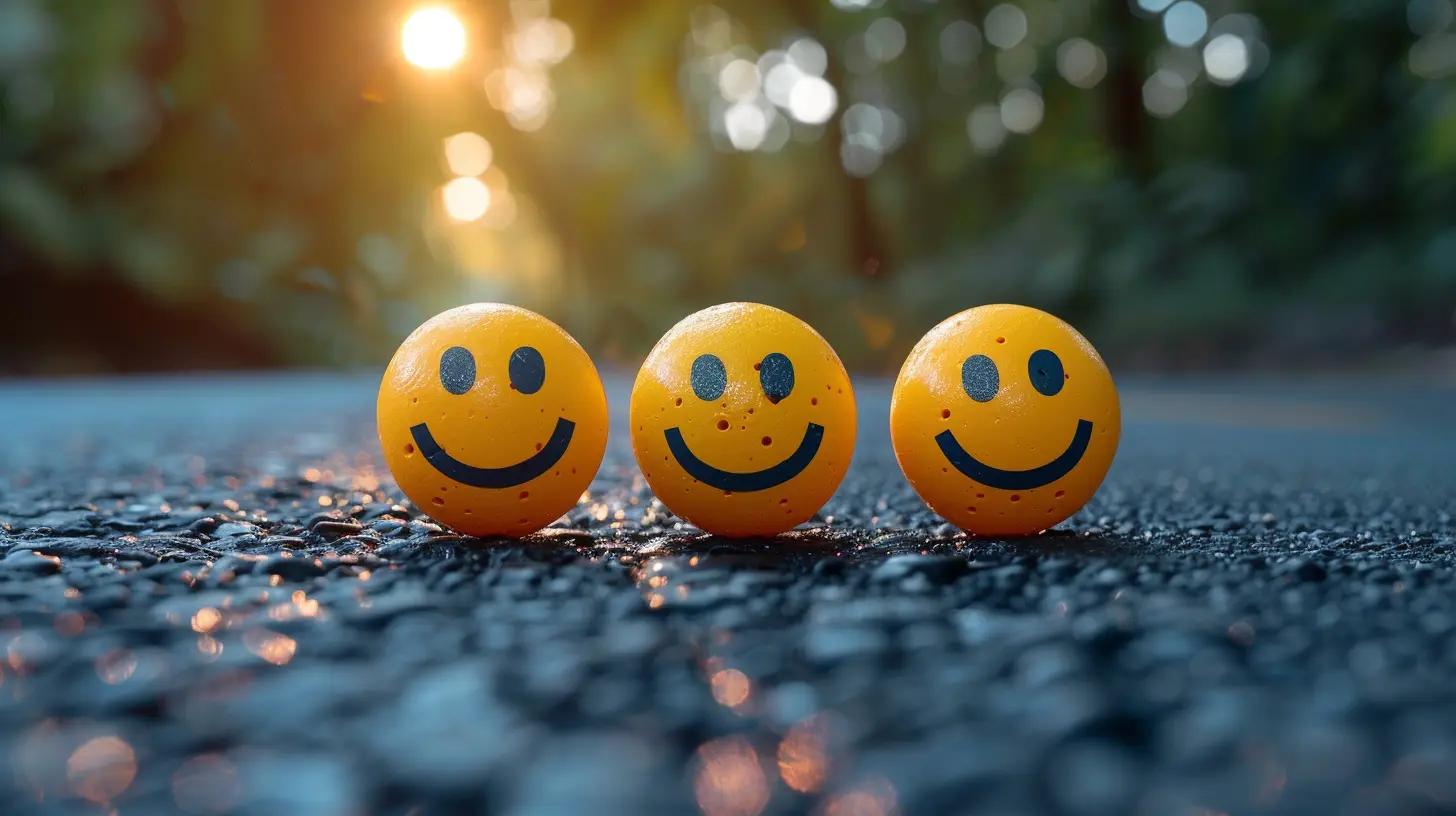
Making Helping a Habit: Small Acts, Big Impact
You don’t need to save lives or start a nonprofit to feel these benefits. Even the smallest acts of kindness can create a ripple effect.Random Acts of Kindness
Ever bought coffee for the person behind you in line? Or sent someone a heartfelt message out of the blue? That’s all it takes. A little goes a long way.These moments might seem minor, but they can significantly boost both your mood and the recipient’s.
Daily Opportunities to Help
Life gives you chances to help all the time, you just have to notice them.- Hold the door open
- Offer a genuine compliment
- Lend an ear to a stressed friend
- Share your expertise
- Donate items you don’t need
It doesn’t matter how you help—what matters is that you help.
The Role of Empathy
Empathy is the emotional glue that connects people. It’s the ability to put yourself in someone else’s shoes, and it plays a massive role in why helping feels so rewarding.Building Bonds Through Empathy
When you feel for someone else and step in to help, you’re forming a bond. This bond doesn’t just benefit them—it gives you a sense of connection, which is a core component of happiness.Human beings are social creatures. We thrive on community and connection. By helping others, empathy strengthens social ties, which in turn strengthens emotional well-being.
Helping Others Can Reinforce a Positive Identity
Let’s get a bit introspective here. When you help others, you reinforce a positive image of yourself. You’re essentially telling your brain, "Hey, I’m a good person who cares about others."Boosting Self-Esteem
High self-esteem and happiness go hand in hand. Every time you help someone, you reinforce that you’re capable, caring, and kind. That can work wonders in building confidence and self-worth.Driving Personal Growth
Helping others often pulls us out of our comfort zones. You might speak up for someone, involve yourself in community issues, or learn something new. This process can be deeply fulfilling and help you grow emotionally and socially.Social Connection: The Secret Ingredient
You can’t talk about happiness without talking about relationships. And what better way to build strong connections than by showing up for others?Humans Are Wired for Connection
Helping others naturally brings you closer to people. Whether you’re volunteering, mentoring, or just being a good neighbor, these actions foster relationships.And get this: Research suggests that strong social ties can be just as important for your health as not smoking or exercising. So yeah, helping others might just be the social gym you didn’t know you needed.
Helping Others in the Digital Age
Okay, so what about now? We’re living in a digital world. Can online help count? Short answer: absolutely.Online Kindness Matters
You don’t have to physically be there to make a difference. Writing positive reviews, offering advice in a forum, or even liking and commenting on someone's accomplishments—these acts still boost happiness (yours and theirs).Virtual Volunteering is a Thing
From tutoring kids via Zoom to helping nonprofits with their websites, the digital space is full of volunteer opportunities. Just because it’s done through a screen doesn’t make it any less meaningful.When Helping Goes Too Far
Now, a little reality check. While helping others is amazing, it’s possible to overdo it.Avoiding Burnout
If you're constantly saying “yes” at the expense of your own needs, you might tip into burnout territory. Helping should feel uplifting, not draining.Remember the airplane rule? Put your own oxygen mask on first. You can't help others effectively if you're running on empty.
Set Healthy Boundaries
Helping doesn’t mean being a doormat. Setting clear boundaries ensures that your kindness is sustainable and doesn’t lead to resentment or emotional exhaustion.Final Thoughts: The Happiness We Give Comes Back to Us
So, why does helping others make us happier? It’s not magic—it’s human nature, backed by science.From the chemical rush to the emotional connection, helping others feeds something deep inside us. It gives us purpose, draws us closer to others, and reminds us of our shared humanity.
And the best part? You don’t need money, power, or fame to experience this happiness. Just a generous heart and the willingness to act.
So go ahead—be the reason someone smiles today. You might just find yourself smiling, too.
all images in this post were generated using AI tools
Category:
Psychology Of HappinessAuthor:

Alexandra Butler
Discussion
rate this article
2 comments
Seth Mullen
Helping others is like giving your brain a mini vacation! Who knew being a superhero could come with happiness perks? Next time you lend a hand, just remember: it’s like a double scoop of ice cream for your soul!
April 16, 2026 at 2:52 AM
Alexandra Butler
Absolutely! Helping others not only benefits them but also boosts our own happiness, making it a win-win for both parties. It's a delightful reminder that kindness nourishes the soul!
Rebecca McGuffin
Sure, helping others boosts happiness—it's a feel-good fact. But let’s be real: if altruism came with a side of fabulousness, we'd all be saints strutting around in designer robes. Who knew kindness could be so chic?
April 3, 2026 at 2:28 AM
Alexandra Butler
Absolutely! Altruism does have its stylish side—it's all about embracing kindness with flair. Who says doing good can't be fabulous?