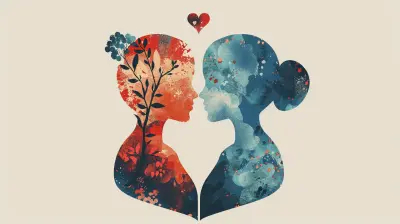
Exploring the Impact of Social Media on Modern Relationships
19 January 2026
Social media has utterly transformed the way we interact with each other. It's like a digital stage where we perform our lives, share our thoughts, and connect with people across the globe. But as much as it brings us together, it also raises questions about how it impacts our relationships—romantic, familial, and friendships alike.
Has social media made relationships stronger, or has it complicated them beyond recognition? Let’s dive deep into how these platforms influence modern relationships and whether they are truly helping us stay connected or subtly driving us apart. 
The Role of Social Media in Modern Relationships
Social media has become an integral part of our daily lives. Whether it's Facebook, Instagram, TikTok, or Snapchat, these platforms shape how we interact with others. But while they offer convenience and connection, they also create new challenges that previous generations never had to deal with.Instant Connectivity: A Double-Edged Sword
On the one hand, social media makes it easier than ever to stay in touch. You can send a quick message, share a funny meme, or jump on a video call within seconds. Gone are the days of waiting for weeks to receive a letter from a loved one.But this instant connectivity also means that people expect immediate responses. If someone doesn’t reply to a message quickly, doubts and insecurities can creep in. Is the person ignoring me? Are they angry? Social media has made us impatient, and sometimes, this impatience strains our relationships.
The Rise of Virtual Intimacy
Social media allows couples and friends to stay connected even when they’re miles apart. Long-distance relationships, in particular, benefit from video calls, messaging, and social media updates.However, many people argue that virtual intimacy can’t replace real-life interactions. No amount of heart emojis or “likes” can substitute for the warmth of a hug or a deep face-to-face conversation. 
How Social Media Affects Romantic Relationships
Perhaps one of the most debated topics is how social media impacts romantic relationships. From online flirting to public displays of affection (or lack thereof), these platforms have introduced new dynamics that didn’t exist before.Jealousy and Trust Issues
Social media is a treasure trove of potential jealousy triggers. Seeing your partner ‘liking’ someone else’s pictures, commenting on their posts, or following attractive influencers can spark unnecessary suspicion.Before social media, we wouldn’t have had access to every interaction our partner had with others. Now, we see everything—sometimes too much. This has led to:
- Overthinking small actions – “Why did he like her picture but not mine?”
- Comparisons with others – “Her boyfriend always posts about her; why doesn’t mine?”
- Tension over online behavior – “Why are you still following your ex?”
Trust, which is the foundation of every successful relationship, is easily shaken by the transparency and overexposure social media brings.
Relationship Validation and Social Pressure
Many couples feel the pressure to showcase their relationship online. Posting pictures together, writing heartfelt captions, and updating relationship statuses are seen as signs of a strong relationship. But does not posting about your partner indicate trouble? Absolutely not.The problem arises when people start equating online validation with real love. A relationship isn’t measured by the number of likes but by genuine connection and communication. The social pressure to appear perfect can sometimes lead couples to stage moments rather than cherish them naturally.
The Threat of Online Temptations
The internet has made it easier than ever to stay in contact with exes or even meet new people while already in a relationship. With just a swipe or a message, temptation is always within reach.This doesn’t mean that everyone cheats online, but studies have shown that social media increases the chances of emotional affairs. A simple “harmless” DM can quickly escalate into something more serious, damaging trust and stability in relationships. 
The Impact on Friendships
Social media has reshaped friendships in both positive and negative ways.Staying Connected Across Distances
One of the biggest benefits of social media is that it helps maintain friendships, even when friends live in different cities or countries. Through posts, stories, and chats, you can stay updated on each other’s lives without needing constant physical meetups.Superficial Friendships
However, social media often blurs the lines between genuine friendships and mere acquaintances. Having 1,000 Facebook friends doesn’t mean you have 1,000 real friends.Many friendships remain at a surface level—liking posts, commenting occasionally, but never truly engaging in meaningful conversations. The illusion of connection can sometimes make us forget to put real effort into maintaining deep relationships.
Social Media Drama and Miscommunication
Misunderstandings over text messages or misinterpreted posts can lead to unnecessary drama. Since digital communication lacks tone and facial expressions, it’s easier to misread intentions.For example, an ambiguous tweet or a vague Instagram story can spark speculation, leading to unnecessary fallouts. 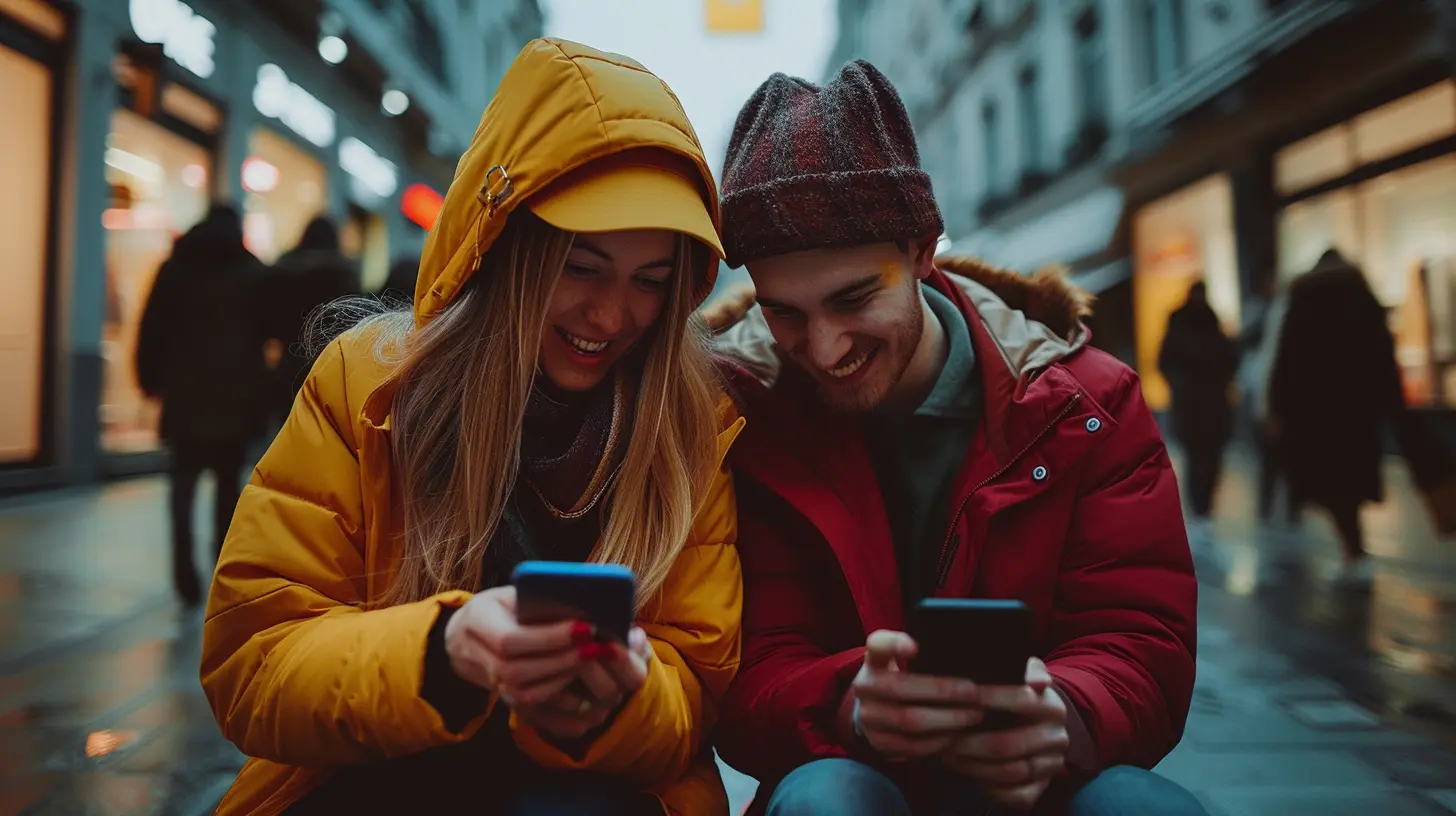
Social Media and Family Dynamics
Families have also felt the effects of social media in interesting ways.Improved Communication Between Generations
Older generations are now more tech-savvy than ever. Social media platforms help families stay connected, especially those living far apart. Video calls, shared albums, and instant messaging allow grandparents to see their grandkids grow up, even from miles away.The Downside: Digital Disconnection
Despite its benefits, social media can sometimes make us present but absent at the same time. Families may sit together in the same room, but each member is lost in their own digital world.Have you ever seen a family at a restaurant, all staring at their phones instead of talking to each other? This digital disconnection is one of the unfortunate downsides of excessive social media use.
Striking a Healthy Balance
Given all these impacts, how can we ensure social media enhances rather than harms our relationships?Set Boundaries
Decide on social media boundaries with your partner or friends. For example:- Avoid checking social media when spending quality time together.
- Limit online interactions with exes if it makes your partner uncomfortable.
- Have offline days where social media is completely avoided.
Focus on Real-Life Interactions
Nothing replaces real-life conversations, hugs, and laughs. Make a conscious effort to spend time with loved ones without distractions.Be Mindful of What You Share
Not everything needs to be posted online. Some moments are best kept private between you and your loved ones.Don't Let Social Media Define Your Relationships
At the end of the day, relationships are about real emotions, trust, and connection. Don't measure love or friendship by online activity—measure it by real-life actions and effort.Final Thoughts
Social media is a powerful tool—it can either bring people closer together or drive a wedge between them. The key is to use it mindfully. When used in moderation and with clear boundaries, social media can enhance relationships by maintaining connections and fostering communication.But when it starts creating distrust, jealousy, and unrealistic expectations, it’s time to take a step back. Relationships thrive on real-life interactions, not just online validations. So, the next time you find yourself obsessing over a ‘seen’ message or a missed Instagram post, remind yourself—real love and friendship exist beyond the screen.
all images in this post were generated using AI tools
Category:
RelationshipsAuthor:

Alexandra Butler
Discussion
rate this article
2 comments
Tala James
Great article! It’s fascinating how social media shapes our connections. Understanding its impact can help us navigate relationships more mindfully. Looking forward to more insights on this topic!
February 11, 2026 at 4:18 AM
Alexandra Butler
Thank you for your thoughtful comment! I'm glad you found the article insightful. More discussions on this topic are definitely on the way!
Avianna Franklin
Social media reshapes modern relationships by blurring boundaries between connection and isolation. While it fosters communication, it can also lead to superficial interactions and heightened comparison. Understanding this paradox is crucial for navigating emotional well-being and fostering genuine connections in a digital age.
January 19, 2026 at 3:49 AM
Alexandra Butler
You make a great point. Social media definitely changes how we connect, and it's important to find a balance to ensure our relationships remain meaningful.