Why Digital Communication Is Changing Human Connection in 2027
18 April 2026
Remember the last time you felt a genuine, deep connection with someone through a screen? I mean the kind that leaves you feeling truly seen and understood, not just efficiently informed. As we stand in 2027, that question has become the central puzzle of our social lives. Digital communication isn't just a tool we use anymore; it's the very atmosphere in which our relationships breathe, for better and, increasingly, for something more complex. The landscape of human connection is undergoing a seismic shift, not because we’re talking less, but because the nature of our talk—the channels, the rhythms, the very subtext—is being fundamentally rewritten by the platforms we inhabit. Let’s pull up a virtual chair and unpack what’s really happening.
The Illusion of Hyper-Connection and the Reality of Thinned-Out Bonds
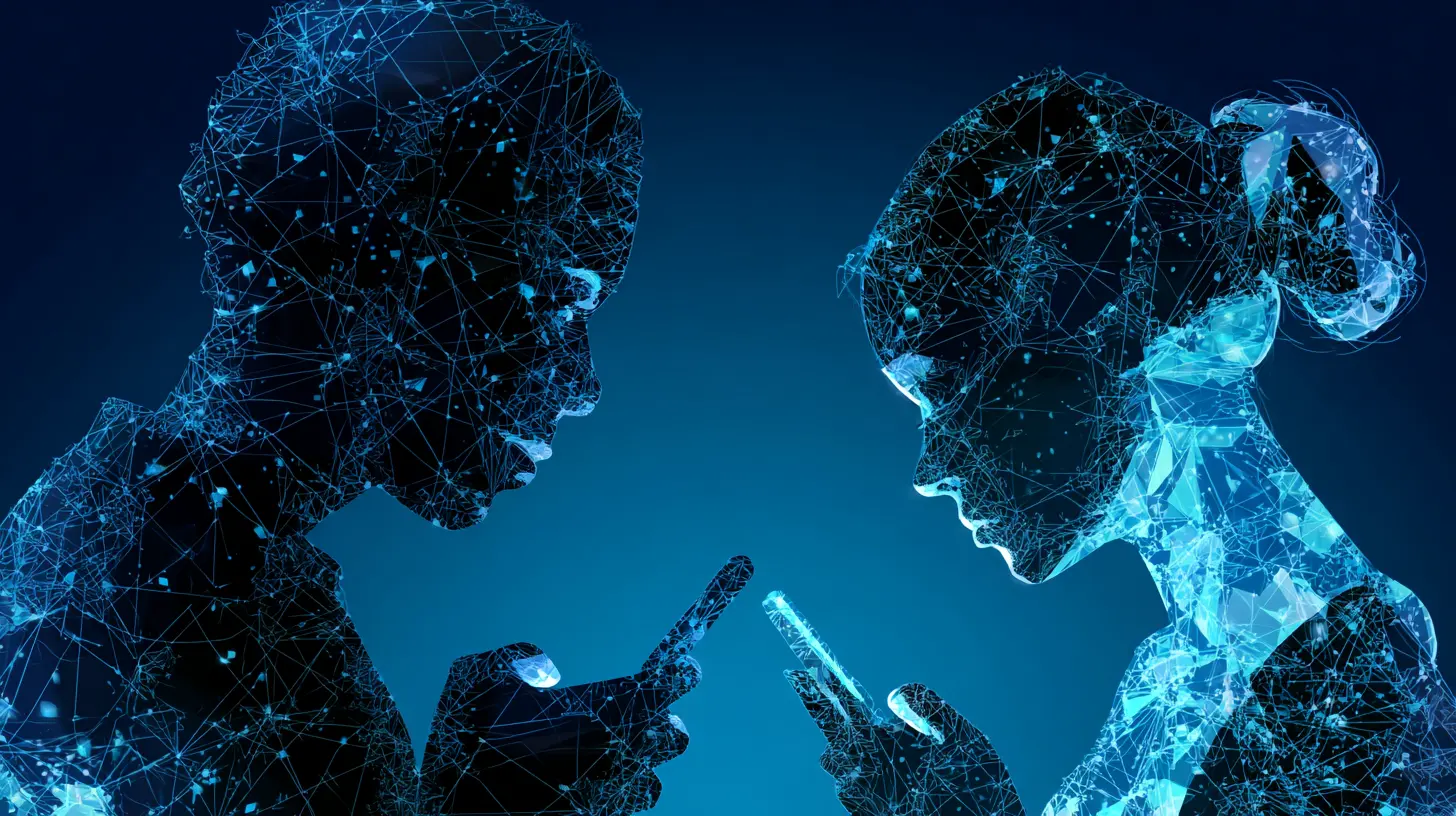
Here’s the paradox of 2027: we have never been more technically capable of connecting. A video call to a loved one across the globe, a voice note carrying the timbre of a friend’s laughter, a shared virtual reality space—these are miracles of modern engineering. Yet, many of us report feeling a strange, persistent sense of social hunger. Why is that?Think of our digital connections like a high-definition streaming service. The picture is brilliant, the sound is crisp, but the signal is compressed. To get that data to you quickly, algorithms strip away what they deem “non-essential.” In our communications, we’re doing the same. We compress our messy, nuanced human experiences into bite-sized updates, emoji strings, and polished reels. The result is a “thinned-out” bond. We know the headlines of each other’s lives—the new job, the vacation photo—but we’re losing the footnotes, the subtle body language, the spontaneous silence that speaks volumes, the shared physical space that creates unspoken understanding.
This creates what psychologists call the “Connection Paradox.” We have hundreds of “friends” or “followers,” yet we can feel profoundly lonely. The sheer scale of our networks can make individual interactions feel less significant, more performative. Are we sharing for connection, or for curation? The line has blurred, and our brains, evolved for small tribes and deep reciprocity, are struggling to compute the difference.
The Rise of the Algorithmic Mediator and the Shrinking of Shared Reality
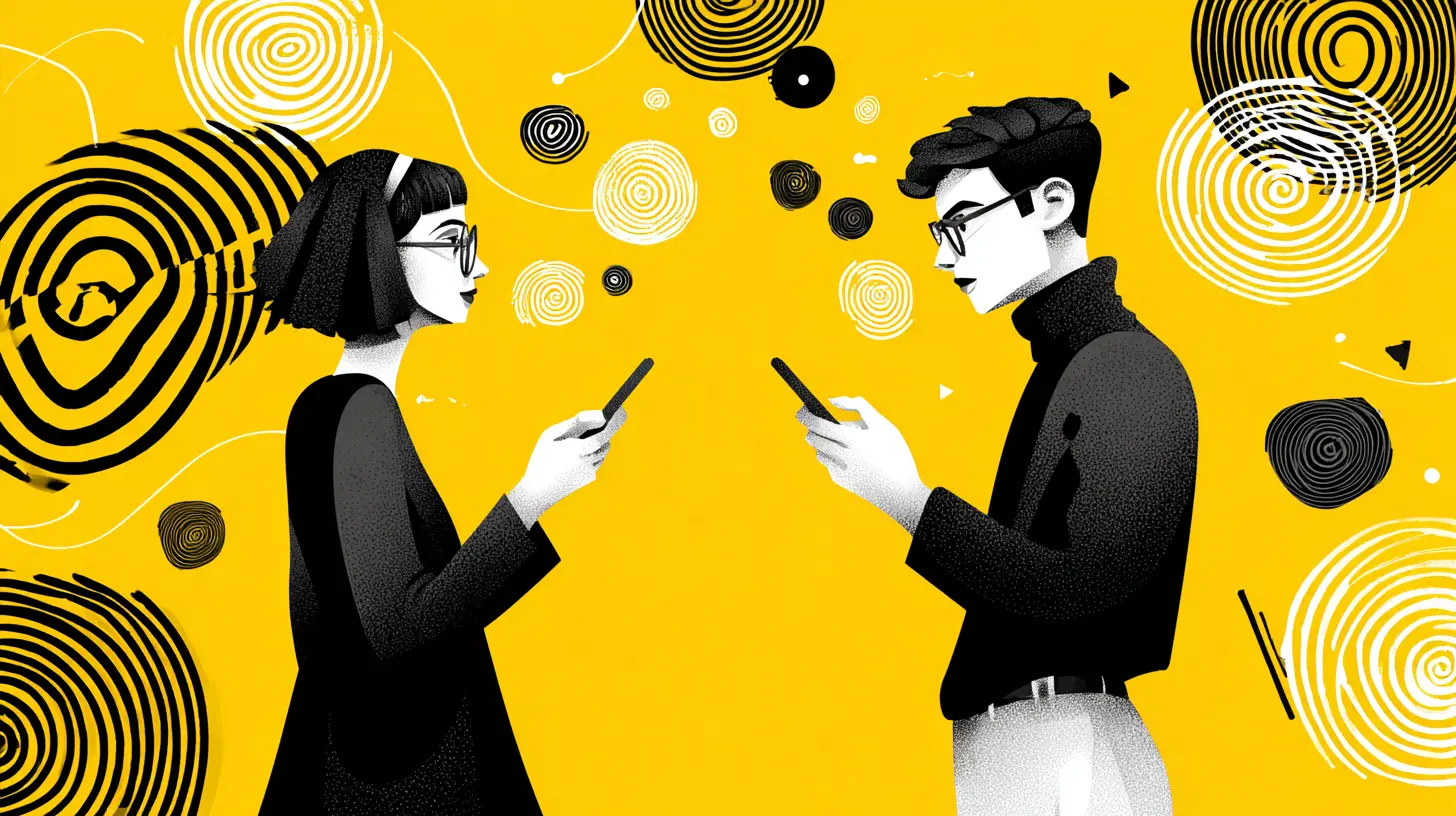
This is perhaps the most profound change underway. In 2027, digital communication is rarely a direct line between two people. It is almost always mediated by an algorithm. Our feeds, our suggested contacts, even the order of our messages are curated by systems designed for engagement, not empathy.Let’s say you and a friend are discussing a contentious social issue. In the past, you’d have a messy, real-time debate, reading each other’s facial cues, hearing the hesitation in a voice, finding common ground in shared pauses. In 2027, that discussion is increasingly likely to happen asynchronously, via articles you share from your respective personalized news bubbles. You’re not just sharing an opinion; you’re sharing a piece of a reality that an algorithm has determined you’ll engage with. Your friend, living in a slightly different algorithmic reality, receives a different set of facts.
This algorithmic mediation is fracturing our shared social context. We lack a common “town square” of information. Instead, we have millions of personalized alleyways. When we do connect digitally, we’re often coming from such different informational worlds that true understanding requires Herculean effort. The algorithm’s goal is to show us what we’ll click on, not what will foster nuanced, compassionate dialogue with someone who thinks differently. It’s changing connection from a collaborative act of understanding into a comparative act of contrasting our curated selves.
The Erosion of Embodied Communication and the Datafication of Emotion
Human connection isn’t just about words. It’s a full-body experience. A reassuring hand on a shoulder, the contagious energy of a group laughing together, the safety felt in someone’s physical presence—these are the pillars of deep bonding. Digital communication in 2027, for all its advances, is largely disembodied.We’re communicating more than ever, but we’re starving our senses. Our mirror neurons, which help us empathize by mimicking the emotions of others, fire less reliably when we’re looking at a pixelated face on a screen with a slight lag. We miss the pheromones, the subtle shifts in posture, the warmth. In response, technology is trying to quantify the unquantifiable. We have apps that suggest our “mood” based on typing speed, or “empathy scores” based on chat response times. We’re attempting to datafy emotion, to turn the rich, analog soup of human feeling into clean, digital metrics.
This is a dangerous trade-off. It’s like trying to understand a forest by only analyzing the barometric pressure. You get a data point, but you lose the scent of pine, the dappled light, the feeling of moss underfoot. When we start to trust the metric more than our own gut feeling of connection, we outsource our emotional intelligence. We may begin to think, “The app didn’t flag their message as ‘concerned,’ so maybe I’m reading too much into it.” This disconnects us from our own intuitive, embodied capacity to connect.
The Asynchronous Expectation and the Death of Spontaneity
“I’ll get back to you.” In 2027, this phrase is both a promise and a prison. Digital communication has made interaction overwhelmingly asynchronous. This is wonderfully convenient—we can manage our social interactions around our busy lives. But it has also killed a certain kind of spontaneous, in-the-moment magic.Remember the unplanned phone call that turned into a two-hour heart-to-heart? The drop-by visit? These moments of unscripted connection are becoming endangered species. Now, every interaction is scheduled, pre-meditated, and often mentally prepared for. Our conversations are more like exchanging carefully drafted letters than dancing to the same live music. We lose the stumbles, the “umms,” the raw and unrehearsed reactions that often reveal our true selves.
This breeds a new form of social anxiety. The pause between messages isn’t just a pause; it’s a canvas onto which we project our insecurities. (“Why are they taking so long? Did I say something wrong?”) The constant ability to edit and refine our words before sending creates pressure to present a perfected self, further deepening the gap between our digital persona and our authentic, messy humanity.
Recalibrating Connection: A Path Forward in a Digital Age
So, is the story of human connection in 2027 a tragedy? Not necessarily. It’s a challenge—a call for intentionality. The change isn’t inherently bad, but it demands that we become conscious architects of our social lives, not passive consumers of connection tech.First, we must re-embody our communication. This means fiercely prioritizing in-person interaction where possible. It means using video calls not just for logistics, but for shared activities—watching the same movie simultaneously, having a virtual coffee without multitasking. It’s about quality of presence, not just presence.
Second, we have to fight algorithmic passivity. Actively seek out information outside your feed. Have difficult conversations via voice or video, not just text, to capture tone. Use digital tools to schedule real-time connection, not just to replace it.
Finally, we must embrace digital minimalism in our social lives. This doesn’t mean going off-grid. It means curating our digital spaces with the same care we’d curate our physical homes. Which platforms truly add depth to your relationships? Which ones simply add noise? Unfollow, mute, and create boundaries to protect the bandwidth you have for genuine connection.
The human need for connection is immutable, like a river carving its way through stone. The digital landscape of 2027 is simply new terrain. The river will adapt, but it’s up to us to ensure it doesn’t get diverted into a thousand shallow, stagnant streams. By understanding these changes—the thinning of bonds, the algorithmic mediator, the loss of embodiment—we can make conscious choices. We can use these powerful tools to build bridges, not walls. To send not just a message, but a piece of our humanity, intact.
The future of connection isn't about choosing between digital and analog. It's about becoming fluent enough in both languages to tell the full, beautiful, and complicated story of who we are.
all images in this post were generated using AI tools
Category:
Interpersonal CommunicationAuthor:

Alexandra Butler
Discussion
rate this article
1 comments
Lyanna Wheeler
Embrace the evolution—digital communication fosters deeper connections in new ways!
April 18, 2026 at 2:59 AM
Alexandra Butler
Absolutely! Digital tools are reshaping how we connect, making relationships richer and more dynamic.