Understanding the Role of Siblings in Social Development
9 February 2026
Siblings are often our first friends, rivals, and confidants. Whether they’re older, younger, or even twins, siblings play a major role in shaping who we become. From the heated fights over toys to the heartwarming moments of support, the bond between siblings is powerful. But beyond the shared childhood experiences and family ties, siblings significantly influence social development.
So, what exactly is their role in shaping our social skills? How do they impact our relationships, problem-solving skills, and even emotional intelligence? Let’s dive deep into the fascinating world of sibling relationships and their impact on social development.
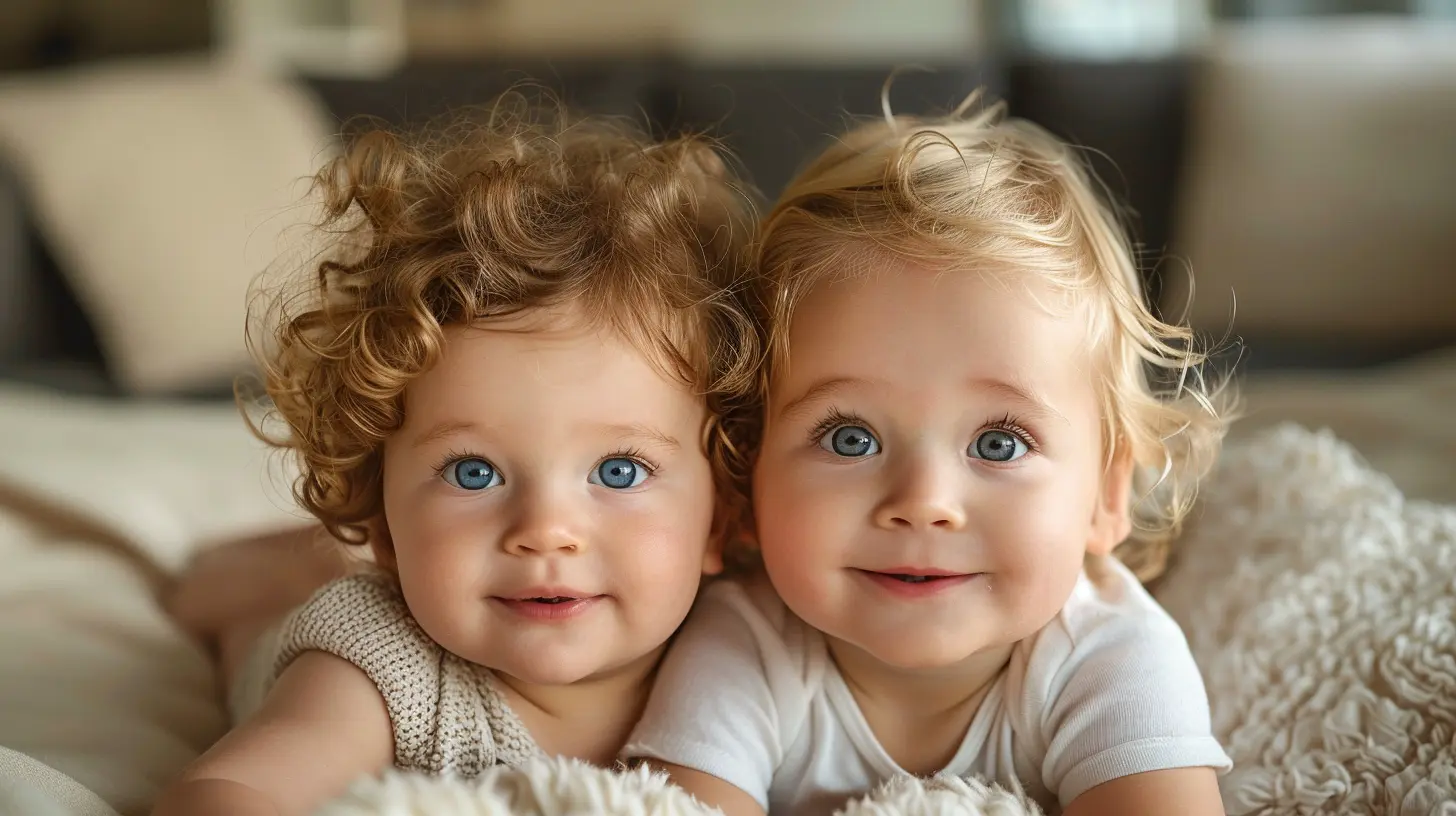
The Influence of Sibling Relationships on Social Skills
Ask yourself—where did you first learn to share, negotiate, or even resolve conflicts? Chances are, it was with your siblings. Whether it's deciding who gets the last piece of cake or working together to convince your parents to let you stay up late, siblings serve as practice partners for real-world social interactions.1. Learning Conflict Resolution
Siblings argue—a lot. From who gets to control the TV remote to whose turn it is to do the dishes, disagreements are a common aspect of sibling relationships. But these conflicts actually serve a purpose.When kids argue with their siblings, they learn how to express their emotions, defend their opinions, and, most importantly, resolve disputes. Unlike fights with friends, sibling arguments are unique because, at the end of the day, you still have to face each other at the dinner table. This forces kids to figure out how to reconcile and move on, a skill that becomes essential in adulthood.
2. Developing Communication Skills
Ever noticed how siblings have their own unique way of communicating? Whether it’s inside jokes, nonverbal gestures, or even mimicking each other’s speech patterns, siblings unconsciously teach one another how to communicate effectively.Older siblings often serve as role models, helping younger ones develop vocabulary, sentence structures, and even social cues. Meanwhile, younger siblings push older ones to refine their ability to explain things clearly and adjust their communication to different situations.
3. Building Empathy and Emotional Intelligence
Growing up with a sibling teaches kids to be more aware of another person’s feelings. Whether it’s comforting a sibling after a bad day or reading their mood to avoid an argument, these interactions enhance emotional intelligence.Siblings also experience different emotions together—joy, jealousy, frustration, love—offering constant opportunities to develop empathy. Learning to understand someone else’s perspective early in life makes it easier to build strong friendships and relationships later on.
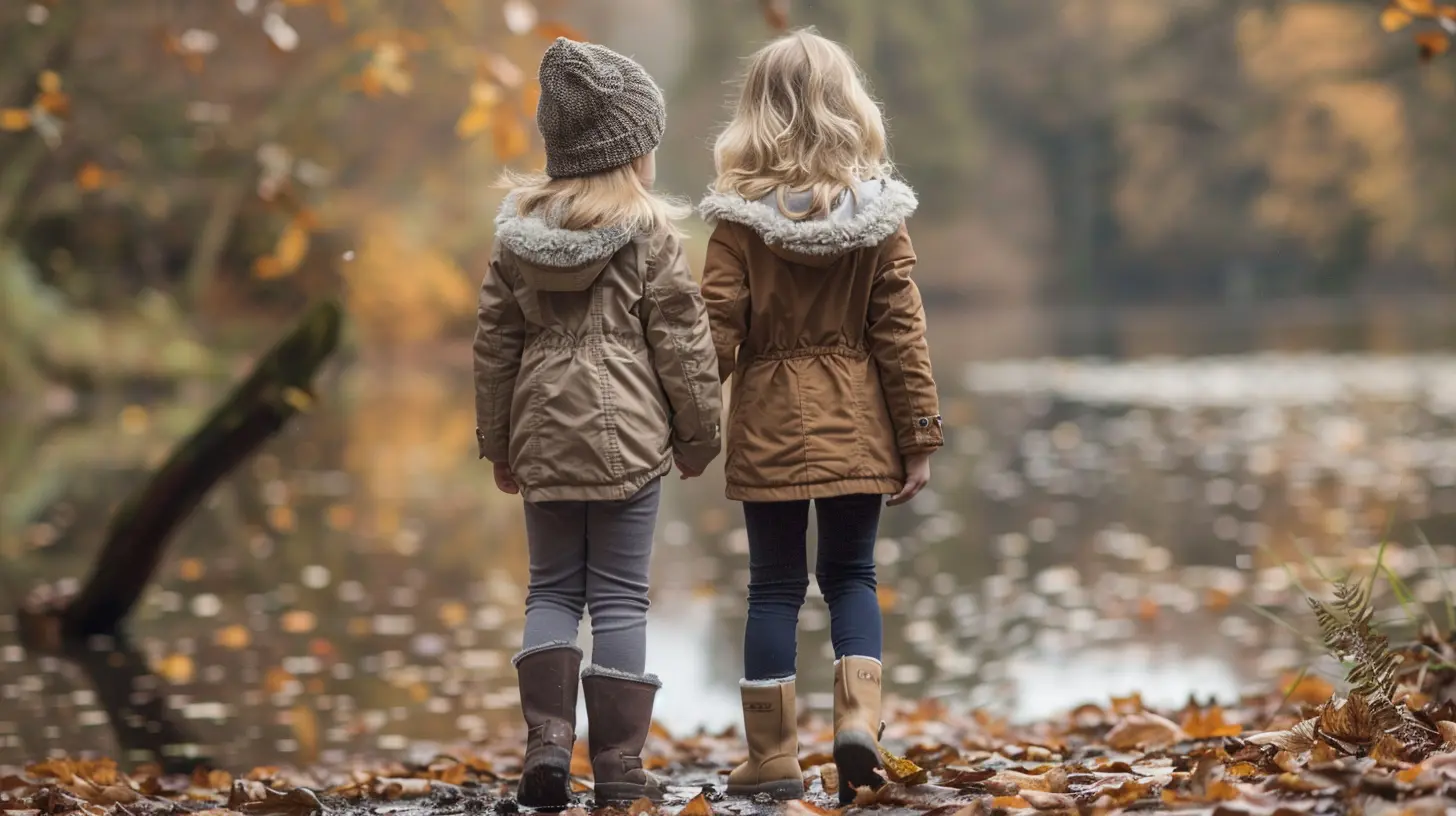
The Role of Birth Order in Social Development
Does birth order really influence personality? Many experts believe it does. While it's not a rigid rule, birth order can shape a child's social interactions in interesting ways.1. Firstborns: The Responsible Leaders
Firstborns often take on leadership roles within the family. Since they’re usually expected to set an example, they tend to develop strong organizational skills, responsibility, and a nurturing nature. They are also more likely to exhibit perfectionist tendencies because of high parental expectations.Socially, eldest siblings may assume leadership roles in friendships and work environments. They often feel comfortable giving guidance and taking initiative, making them natural problem solvers and decision-makers.
2. Middle Children: The Peacemakers
Middle children get a unique vantage point in the family structure. Since they’re sandwiched between the eldest and youngest, they often become skilled negotiators, balancing the needs of both sides.Socially, middle children are adaptable, friendly, and diplomatic. They learn early on how to handle different personalities, which makes them great at forming diverse social connections. However, they may also struggle with feeling overlooked, leading to a strong desire to carve out their own identity.
3. Youngest Children: The Free Spirits
The youngest sibling often enjoys a more relaxed upbringing since parents may be less strict after raising older children. As a result, the youngest tends to be more outgoing, charming, and sometimes even a bit rebellious.They often develop strong social skills because they’re used to being around older kids. This can make them confident and persuasive in social situations. However, the “baby of the family” label sometimes leads to struggles with independence.
4. Only Children: The Independent Thinkers
What about kids who grow up without siblings? While they miss out on sibling interactions, they often build strong relationships with parents and friends. Only children tend to be independent, confident, and highly articulate since they spend more time around adults.However, they may face challenges in peer relationships, especially when it comes to conflict resolution. Since they don’t have the constant push-and-pull dynamic of siblings, they sometimes struggle with compromise.
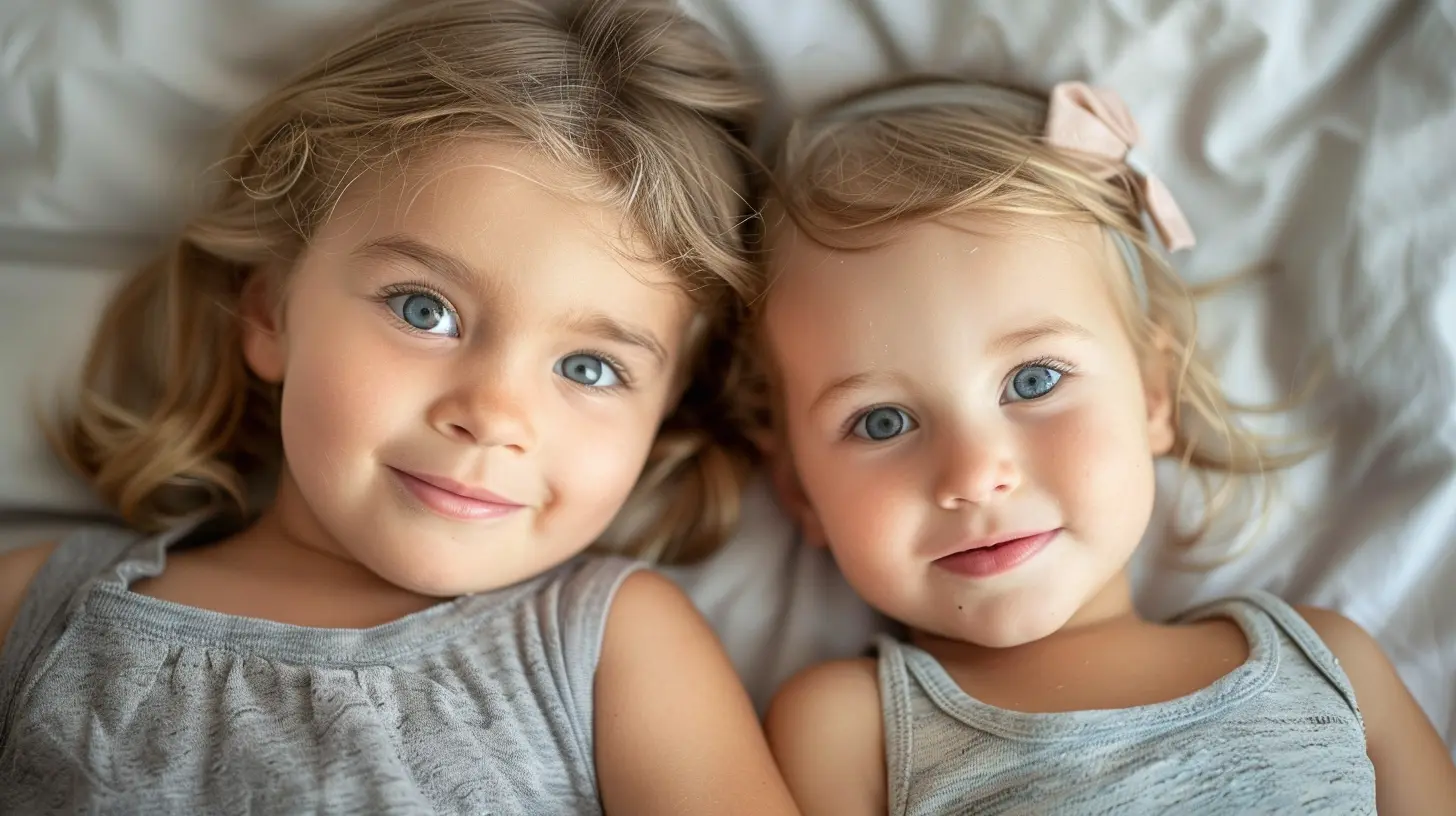
The Long-Term Impact of Sibling Relationships
The influence of siblings doesn’t stop in childhood. The experiences we share with our brothers and sisters shape how we interact with friends, colleagues, and romantic partners throughout our lives.1. Influence on Friendships and Social Circles
Growing up with siblings teaches us how to navigate different personalities and social dynamics. Whether it's learning to compromise, handle disagreements, or simply get along with different types of people, these early experiences shape our ability to build and maintain friendships.People with positive sibling relationships often form strong, supportive friendships, while those who experienced rivalry or conflict may struggle with trust or communication in their social circles.
2. Impact on Romantic Relationships
Believe it or not, our sibling dynamics can influence how we handle romantic relationships. Those with nurturing siblings tend to seek emotionally supportive partners, while those from conflict-heavy sibling relationships may struggle with trust or conflict resolution in dating and marriage.Our birth order can also play a role. For example, firstborns may take on more responsible roles in relationships, while youngest siblings may look for fun and excitement. These patterns, while not absolute, influence how we engage with our partners.
3. Career and Workplace Interactions
Think about your workplace—there are leaders, team players, negotiators, and independent workers. Many of these traits are molded during childhood, particularly through sibling interactions.The ability to collaborate, handle competition, and manage different personalities often stems from growing up with siblings. Those who developed strong social skills through sibling interactions typically excel in teamwork-based environments, while those who dealt with intense sibling rivalry may find workplace competition either motivating or stressful.
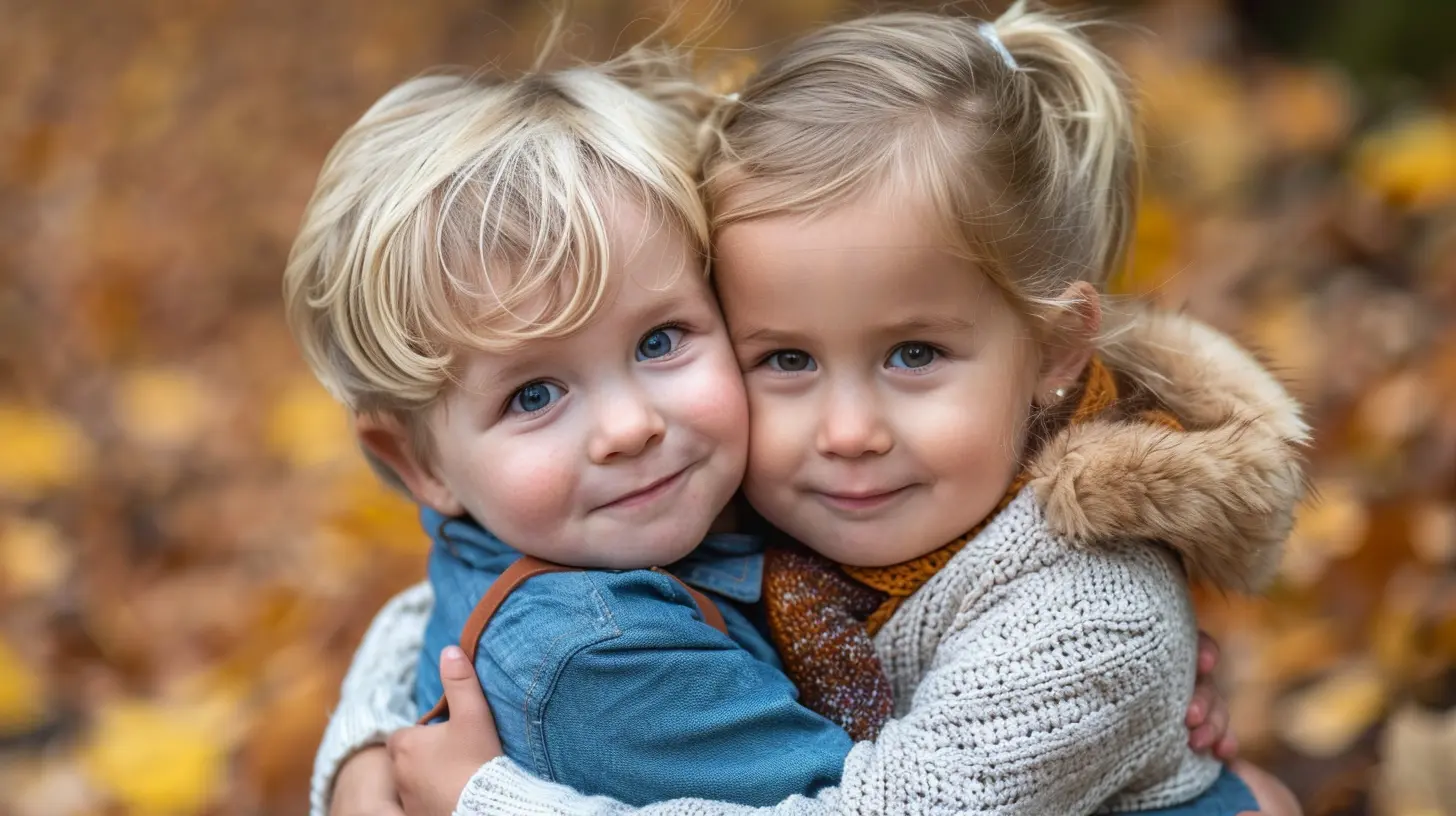
Nurturing a Healthy Sibling Relationship
While sibling relationships can be a source of love and support, they also come with challenges. Here are some ways parents can help foster positive sibling bonds:- Encourage teamwork – Give siblings shared responsibilities to promote cooperation.
- Teach conflict resolution – Instead of intervening immediately, help kids resolve their disagreements in a fair way.
- Promote individuality – Avoid constant comparisons and encourage each child’s unique strengths.
- Celebrate each other – Encourage siblings to support each other’s successes instead of viewing them as competition.
Final Thoughts
Siblings are more than just family; they are lifelong social influencers. They teach us how to communicate, resolve conflict, express emotions, and build meaningful relationships. Whether your sibling is your best friend or your biggest rival, there’s no denying their impact on your social development.So, the next time your sibling annoys you, remember—they’ve also played a big role in shaping the person you are today!
all images in this post were generated using AI tools
Category:
Child DevelopmentAuthor:

Alexandra Butler
Discussion
rate this article
2 comments
Allison Malone
This article effectively highlights the crucial role siblings play in shaping social skills, emotional intelligence, and coping strategies throughout development. Great insights!
March 8, 2026 at 4:37 AM
Alexandra Butler
Thank you! I'm glad you found the insights valuable. Siblings truly play a vital role in our development.
Darrow McMichael
Siblings: the original social experiment! They teach us negotiation, conflict resolution, and the fine art of sharing—mostly begrudgingly. Who needs therapy when you have a built-in rival and best friend rolled into one? Here’s to sibling rivalry, the ultimate social skills boot camp!
February 9, 2026 at 6:01 AM
Alexandra Butler
Absolutely! Siblings play a crucial role in shaping social skills through their unique blend of rivalry and companionship, providing invaluable lessons in negotiation and conflict resolution.