Unlocking the Power of the Mind-Body Connection for Holistic Health
7 July 2026
Ever had a "gut feeling" about something, only to realize later that your intuition was spot on? Or maybe you’ve felt physically sick after a stretch of emotional stress? That’s not just coincidence—that’s the mind-body connection in action.
Our mind and body aren't separate entities operating in isolation; they’re deeply intertwined, constantly communicating in ways we’re only just beginning to truly understand. And when we tap into that connection? That’s where holistic health—the kind that nourishes both body and soul—really begins.
In this post, we're diving deep into unlocking the power of the mind-body connection. We'll break down what it really means, why it matters, and how you can use it to live a healthier, more balanced life.
What is the Mind-Body Connection, Really?
Let’s cut through the fluff. At its core, the mind-body connection is the relationship between your thoughts, emotions, attitudes—and your physical health. It’s not just motivational posters saying “think positive.” It’s biology. It’s psychology. It’s real science.When you're stressed, your heart races. When you're anxious, your stomach turns. When you're joyful, your whole body feels lighter. That’s your mind talking to your body in real-time. And guess what? The conversation goes both ways.
Your body also affects your mind. Regular exercise can boost your mood. A balanced diet can improve your mental clarity. Chronic pain can lead to depression. It’s all connected.
The Science Behind It All
Okay, so this isn’t just new-age talk. There's legit science behind the mind-body connection.The Nervous System: Your Internal Messenger
Think of your nervous system like a supercharged Wi-Fi network linking your brain and body. The brain sends messages to the body, and the body responds—and sends its own messages right back. Stress, for example, triggers the release of cortisol and adrenaline, which then affect your heart rate, blood pressure, digestion, and more.The Role of Neurotransmitters & Hormones
Feelings like happiness, anxiety, or sadness all involve neurotransmitters like serotonin and dopamine. These aren't just floating around in your brain—they have physical effects on your whole body. Hormones like cortisol (the stress hormone) or oxytocin (the love hormone) are also major players, showing how your emotions chemically impact your health.The Gut-Brain Axis
Ever heard of “gut instinct”? Turns out, it’s real. Your gut has its own nervous system—the enteric nervous system—and it's constantly in conversation with your brain. Research shows that gut health is linked to mental health. An unhealthy gut can contribute to anxiety, depression, and brain fog. Wild, right?
Why This Connection Matters for Your Health
Understanding the mind-body link isn’t just a cool fact—it's a game-changer for your health.Mental Health Affects Physical Health
Depression and anxiety aren't just “in your head.” They can cause insomnia, digestive problems, immune suppression—you name it. When your mind struggles, your body feels it.Physical Health Affects Mental Health
The flip side is just as important. Chronic pain or illness can take a serious toll on your mental well-being. It’s not just about treating symptoms—it's about treating the whole person.When we focus on both the mind and body, we can:
- Reduce inflammation and stress
- Improve sleep and energy levels
- Enhance immune function
- Support faster healing and recovery
- Boost emotional resilience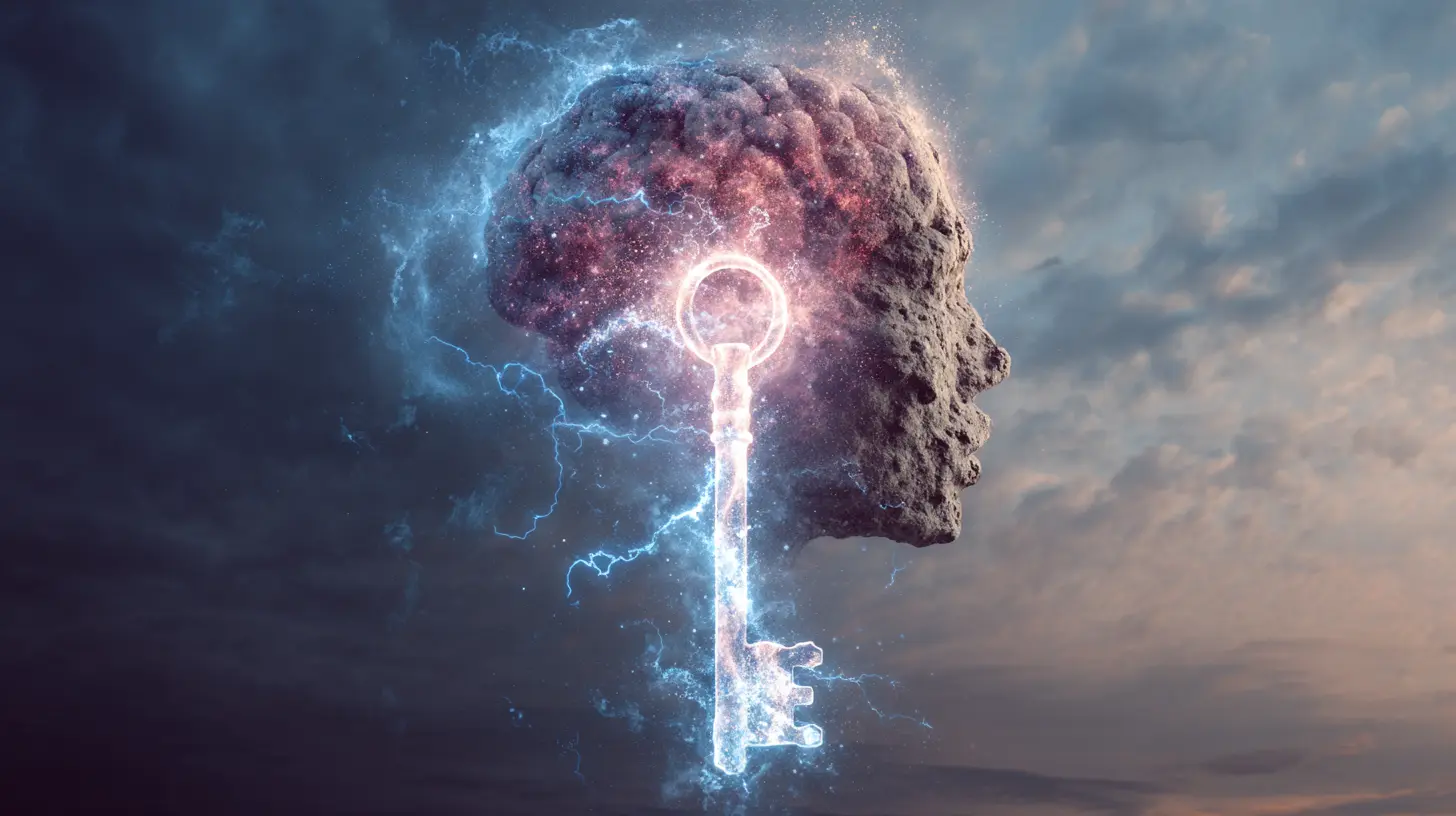
Unlocking the Power: Practical Strategies
So, how do we actually use this connection to improve our health? Here's where things get exciting. It’s not just theory—there are tons of ways to strengthen this link and transform your life.1. Mindfulness and Meditation
No, you don’t have to become a monk. Just 10 minutes a day of mindfulness (focusing on your breath, noticing your thoughts without judgment) can lower stress, reduce anxiety, and even change your brain structure.Not sure how to start? Try apps like Headspace or Insight Timer. Or just sit, breathe, and be present. That’s it. Easy, right?
2. Movement with Intention (Yoga, Tai Chi, Qigong)
These practices aren’t just stretches or weird poses—they're powerful ways to unite the mind and body. They teach body awareness, regulate breathing, and promote balance, both mentally and physically.Yoga, for instance, has been shown to reduce cortisol, lower blood pressure, and increase overall well-being. Win-win.
3. Journaling Your Emotions
Writing down your thoughts can help process emotions, reduce stress, and bring subconscious patterns to light. It’s like holding a mirror up to your inner world.Try this: at the end of each day, jot down what you felt, why you felt it, and how your body reacted. You’ll start seeing patterns. And with that awareness, you can start making shifts.
4. Breathwork and Deep Breathing
Breathing is the bridge between the conscious and unconscious mind. Shallow, rapid breathing signals stress; slow, deep breaths signal calm.Try this breathing pattern: inhale for 4 counts, hold for 7, exhale for 8. Do it for a few minutes. Feel the difference? That’s your nervous system calming down.
5. Nutrition and Gut Health
Remember the gut-brain connection? A diet full of processed foods and sugar can mess up your gut flora—and your mood. Focus on whole foods, fiber, and fermented goodies like yogurt, kefir, or kimchi.Also, drink that H2O. Hydration affects everything—from mental clarity to joint health.
6. Stress Reduction Techniques
Chronic stress is like running your car at full throttle nonstop—it eventually breaks down. Find your personal off-switch. Maybe it's nature walks, laughter, music, or hobbies. Whatever helps you chill out, make time for it. Seriously.7. Therapy or Counseling
Talking it out works. Cognitive Behavioral Therapy (CBT), for example, helps rewire unhelpful thought patterns that affect your body and behavior. Even a few sessions can make a huge difference.Real Talk: Balance, Not Perfection
Let’s be honest. You’re not going to be blissfully mind-body aligned every day. And that’s okay. Life is messy. Emotions happen. Stress sneaks in. We’re human.The goal isn’t perfection—it’s awareness. It’s checking in with yourself. It’s knowing that your thoughts affect your health, and your health affects your emotions. It’s making daily choices (even small ones) that support both.
A Holistic Approach = A Healthier You
When we only treat symptoms, we miss the big picture. Holistic health means stepping back to see how everything's connected. It means treating the causes, not just the effects. And the mind-body connection is a huge piece of that puzzle.You don’t need fancy supplements or complicated routines. You just need to tune in—to what you feel, how your body responds, and where your balance might be off.
The coolest part? Once you start listening to your mind and body, they start listening back. And that’s when real healing begins.
Final Thoughts
The mind-body connection isn't some woo-woo trend. It's grounded in science—and it’s something you can harness to feel better, live better, and thrive holistically.So, what now?
Start small. Breathe deeply. Move your body. Be kind to your thoughts. Tune into your gut. Journal your feels. And most importantly: be gentle with yourself on this journey.
Holistic health isn't about fixing yourself—it's about reconnecting with the you that's been there all along.
all images in this post were generated using AI tools
Category:
Mind And Body ConnectionAuthor:

Alexandra Butler
Discussion
rate this article
1 comments
Aelith Hodge
Great insights! Mind-body balance makes a real difference.
July 27, 2026 at 3:55 PM