Empathy as a Tool for Global Change: Beyond Borders and Boundaries
13 May 2026
Let’s be real for a second—our world feels divided. Wars, political disagreements, cultural clashes, social media outrage, you name it. The walls we build—literally and emotionally—seem to be getting taller. But what if I told you there's one powerful tool that could help bridge the gaps between us? It’s not technology. It’s not money or power. It’s empathy.
Yep, plain ol' empathy. The ability to step into someone else’s shoes, feel what they feel, and, most importantly, care. Seems simple, right? But when used right, empathy has the potential to spark global change. Let’s dive into how.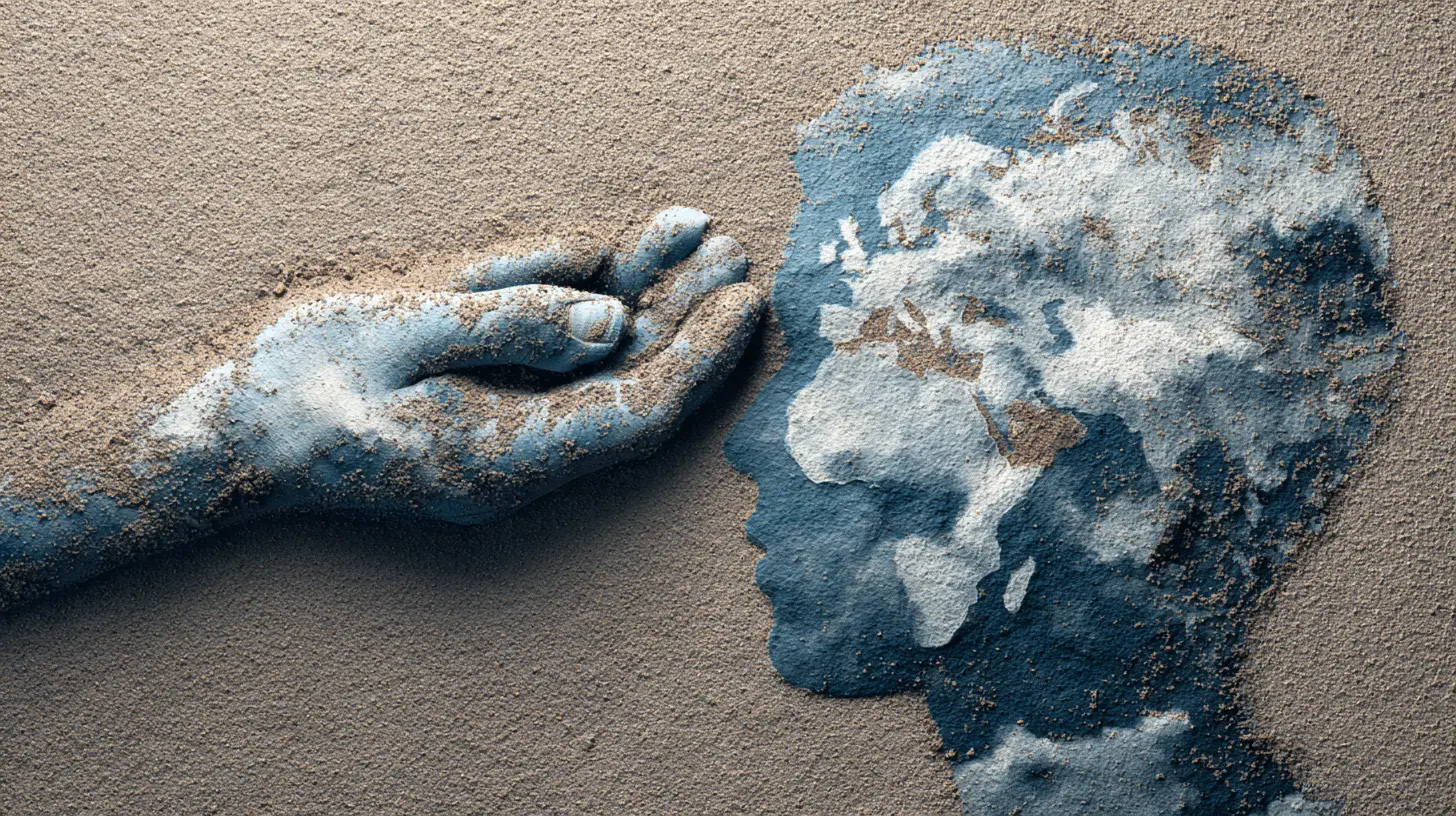
What Is Empathy, Really?
Before we start throwing the word around like confetti, let’s define it. Empathy isn’t just saying, “I feel you.” It’s about sincerely connecting with someone else’s emotional state.There are actually a few flavors of empathy:
- Cognitive Empathy: Understanding someone else’s thoughts and perspective.
- Emotional Empathy: Feeling what someone else feels.
- Compassionate Empathy: Not just feeling for someone but also being moved to help.
So, empathy’s not just a “nice to have.” It’s a deep, nuanced human ability that changes how we interact, build community, and make decisions.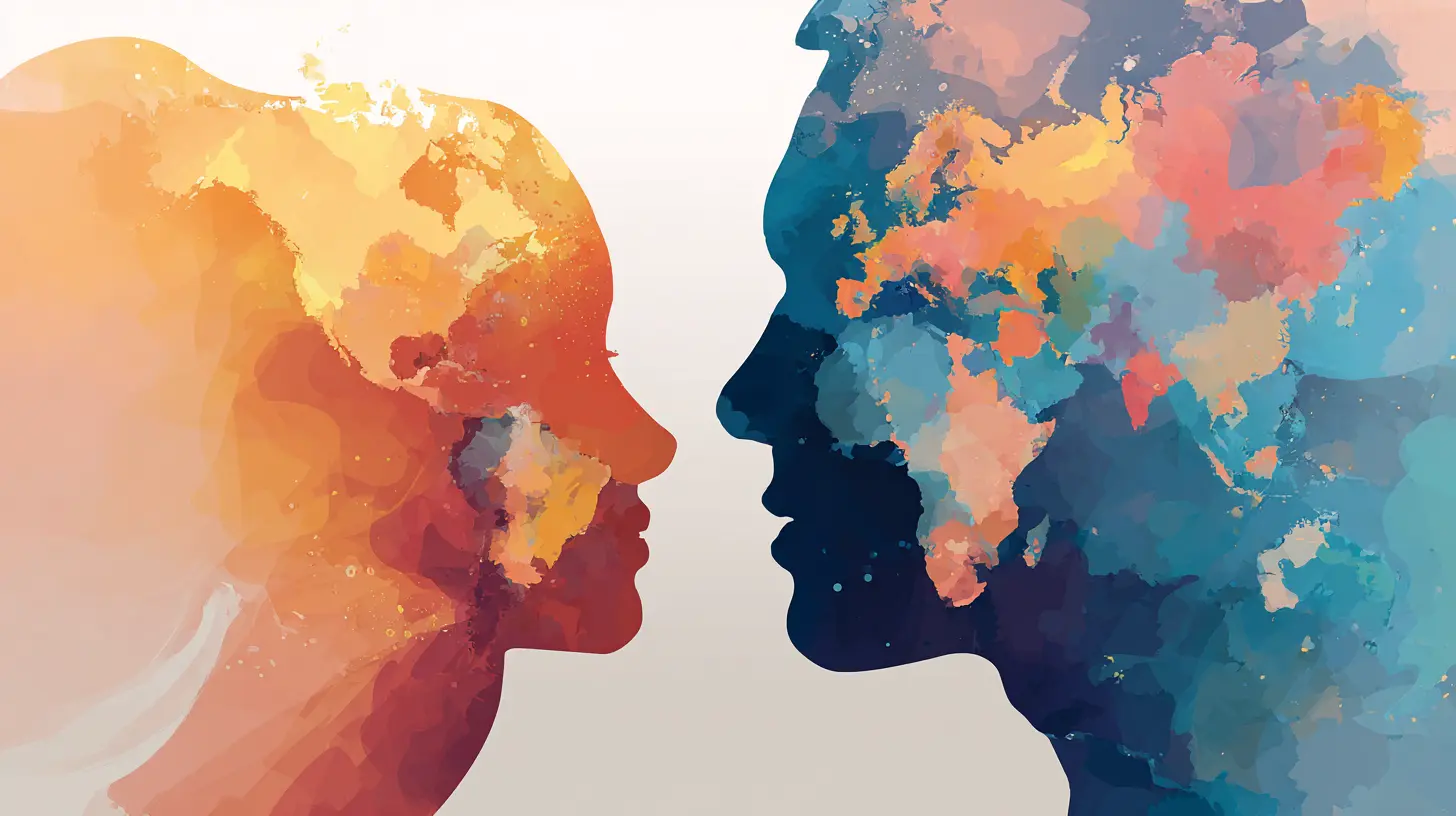
Why Now? Why Empathy?
Let’s face it—we’re all connected more than ever before. One tweet can go viral and reach all corners of the globe in seconds. A war in one region might disrupt economics worldwide. Climate change doesn’t care about your zip code. The lines between “us and them” are blurry.And yet, understanding across these invisible lines feels... rare.
Empathy is that missing link—the glue that could help us build bridges instead of walls.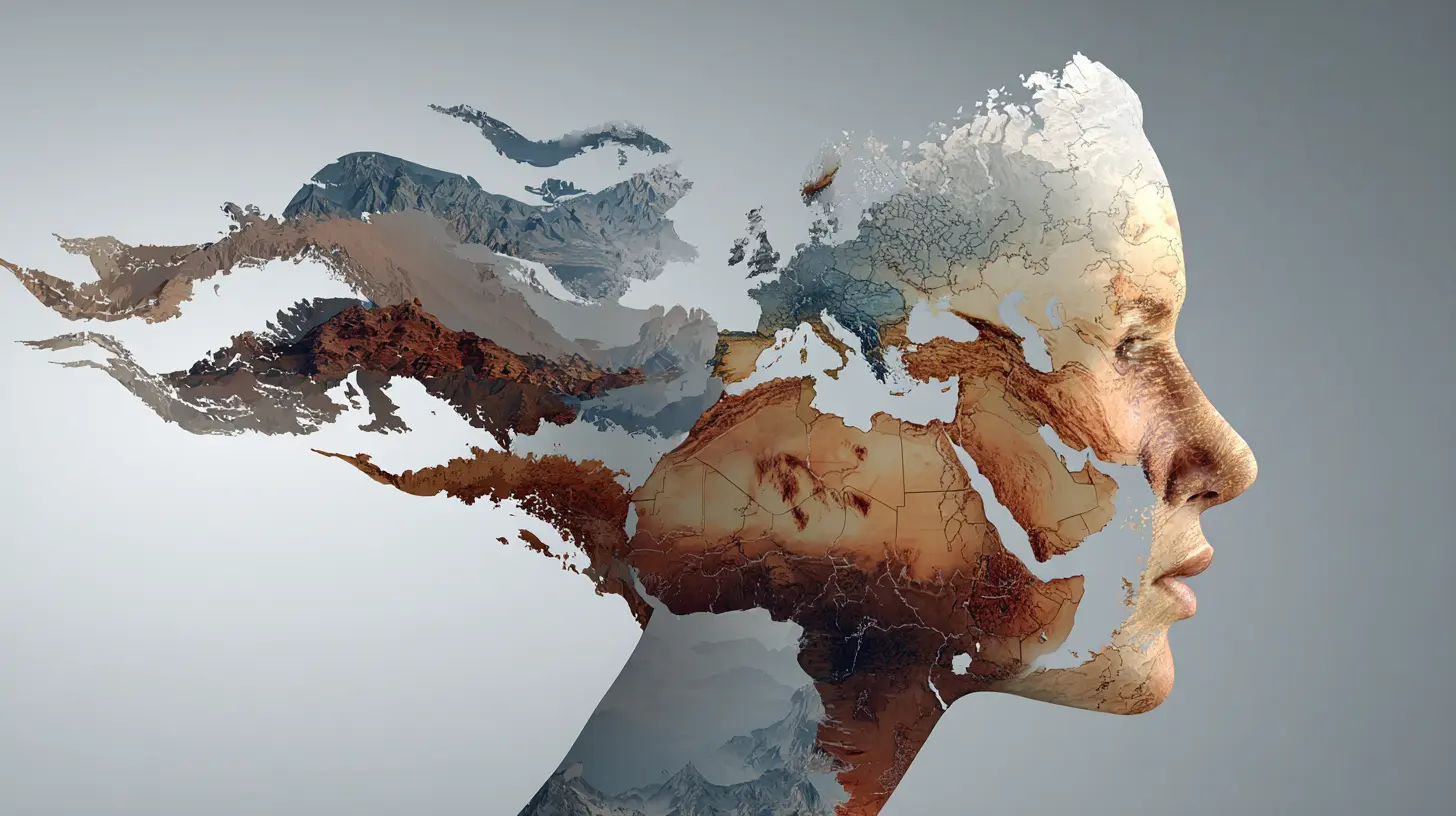
The Ripple Effect of Empathy
You toss a pebble of empathy into a pond, and the ripples go far.1. Empathy Heals Division
From racism to xenophobia to religious intolerance—these ugly -isms and phobias often stem from fear or ignorance. When we understand someone else's struggle, it becomes a lot harder to hate them.Case in point: Refugees. It’s easy to write them off as “others” until you hear their stories. When we empathize, we see past labels and into humanity.
2. It Fuels Global Cooperation
Think global challenges—pandemics, poverty, climate crisis. These don’t respect borders. Tackling them requires global teamwork. Empathy helps countries (and people) understand each other’s needs. It shifts the focus from "me" to "we."3. Encourages Social Responsibility
When corporations, governments, and individuals operate with empathy, they make better, more ethical decisions. Companies begin to care about fair wages, sustainability, and equality. Politicians push for policies that protect minorities. People shop locally, donate, and volunteer more.Small changes. Big consequences.
Empathy in Action: Real-World Examples
Let’s talk about some inspiring moments where empathy changed the game.The Syrian Refugee Crisis
In 2015, the image of a drowned Syrian child, Alan Kurdi, shook the world. It wasn’t the stats or headlines. It was one photo. Millions suddenly saw not “immigrants” but a grieving father and a lost child. Countries opened borders. People donated in droves. That’s empathy at work.Black Lives Matter
George Floyd’s death sparked global protests. His story, his pain, made people across continents feel the weight of systemic injustice. Activism surged in places thousands of miles away. Again—empathy crossed boundaries and initiated change.Ukraine and Global Solidarity
When war broke out in Ukraine, citizens worldwide painted walls blue and yellow, opened their homes, and sent aid. Regardless of race, religion, or politics, people felt for fellow human beings. That’s empathy pushing past politics.Can Empathy Go Too Far?
Let’s not pretend empathy is perfect. It has a few blind spots.Ever heard of “empathy fatigue?” Constantly feeling others’ pain—especially through the endless news cycle—can burn us out. We end up feeling helpless or numb.
There’s also the “in-group empathy” issue. We tend to empathize more with people who look, think, or act like us. That means we might care more about someone from our city than someone halfway across the world.
But here’s the good news: Empathy is expandable. Like a muscle, it grows stronger the more we use it.
Teaching Empathy: It Starts Young (But It’s Never Too Late)
So, how do we build a more empathetic world?We teach it.
In Schools
Imagine if kids learned empathy the way they learn math. Through story-sharing, group projects, and emotional conversations. Some schools are already doing it—and guess what? These students bully less, cooperate more, and grow up to care about social issues.At Home
Parents, it starts with you. Show your kids what empathy looks like. Talk about other people’s feelings. Encourage kindness not just as an act but a lifestyle.Online
Our digital lives are part of the problem—and the solution. Algorithms may divide us, but digital storytelling can unite us. We need more spaces where people can tell their stories and be heard. More listening, less shouting.Empathy Across Cultures: The Real Challenge
It’s tricky. Empathy isn’t one-size-fits-all.Different cultures express emotion in different ways. In one country, eye contact is respectful. In another, it's rude. Misunderstandings happen. So cross-cultural empathy takes effort—it’s not just about feeling; it’s about learning, listening without judgment, and being open to uncomfortable truths.
But when done right, it unlocks powerful connections.
Think of collaboration among global nonprofits, climate treaties, or intercultural exchange programs. These are the real MVPs for global empathy.
Empathy in Leadership: Changing the Power Game
It’s easy to be cynical about politicians or CEOs. But the great ones? They lead with empathy.They listen to the marginalized.
They make space for diverse voices.
They admit when they’re wrong.
And they inspire others not just with words but by how they treat people.
Whether it's New Zealand’s Prime Minister comforting grieving Muslims after a mosque attack or business leaders choosing people over profits during a crisis—empathy sets them apart.
The Future Depends on Us—and Our Empathy
Let me hit you with a tough question: What kind of world do we want to leave behind?One filled with walls, borders, and division? Or one connected by shared humanity?
Empathy isn’t a soft skill. It’s a survival tool. Without it, global cooperation collapses. With it? We have a shot at solving the biggest challenges of our time.
It doesn’t take much. A conversation. A gesture. A willingness to listen.
Because when we truly see one another—beyond the borders, the labels, and the noise—that's when things start to change.
Simple Ways You Can Make a Difference Today
Feeling inspired but unsure where to start? Here’s your cheat sheet:➡️ Start small. Ask someone how they’re really feeling—and mean it.
➡️ Read books or watch documentaries from other cultures.
➡️ Support global causes—whether through donations, activism, or sharing stories.
➡️ Stop scrolling when you see a hard story online. Pause. Feel. Share.
➡️ Speak up when you see injustice. Be the voice for someone who isn’t heard.
It doesn’t have to be perfect. It just has to be real.
Final Thoughts: Choose Empathy Every Time
We’ve built skyscrapers, invented AI, sent people to space—but sometimes, we still struggle to look each other in the eye with compassion.Let’s fix that.
Empathy won’t solve everything overnight. But it makes starting the conversation possible. It turns fear into understanding. Anger into action. Strangers into allies.
Because at the end of the day, we’re all just people trying to make it through.
And a little empathy? It might just be the thing that finally brings us together.
all images in this post were generated using AI tools
Category:
EmpathyAuthor:

Alexandra Butler
Discussion
rate this article
1 comments
Kathleen McClain
Empathy transcends all barriers.
May 29, 2026 at 4:39 AM
Alexandra Butler
Absolutely. Empathy has the power to connect us and ignite meaningful change across the globe.