Treating Childhood Trauma: A Clinical Approach
27 June 2026
Childhood should be a time of laughter, play, and discovery. However, for many, it can also carry the weight of trauma—experiences that leave lasting emotional wounds. Childhood trauma affects mental, emotional, and even physical health well into adulthood. But the good news? Healing is possible.
In this article, we’ll dive into a clinical approach to treating childhood trauma—covering therapy techniques, emotional support strategies, and real ways to help children and adults heal. 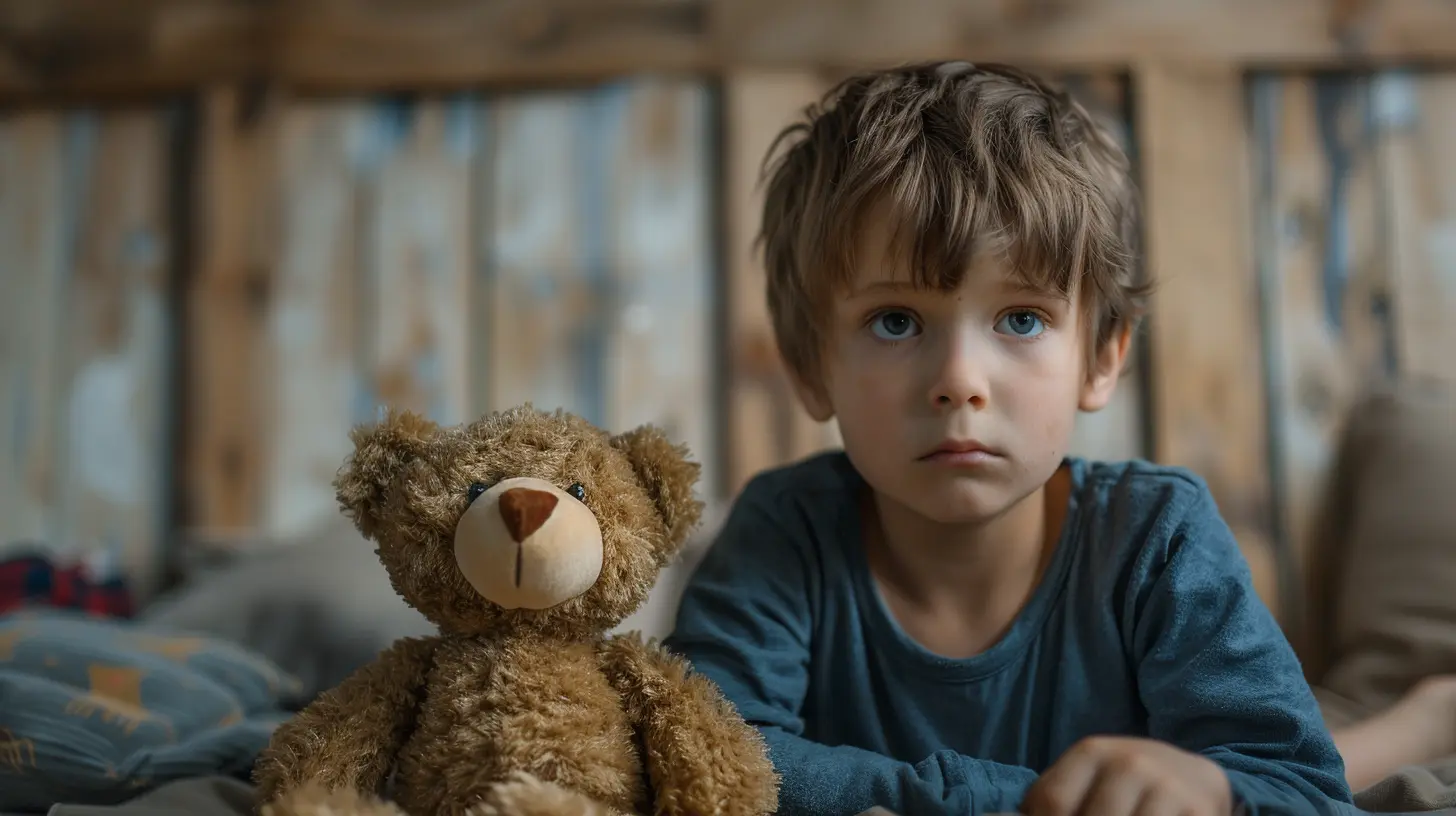
Understanding Childhood Trauma
Before we talk about treatment, let’s first understand what childhood trauma actually is.Trauma in childhood can stem from various experiences, including:
- Abuse (physical, emotional, or sexual)
- Neglect (lack of emotional or physical care)
- Witnessing violence (at home or in the community)
- Losing a loved one (grief and abandonment)
- Medical trauma (serious illness or surgeries)
- Natural disasters (earthquakes, floods, etc.)
These traumatic experiences, especially when unresolved, can lead to deep-seated fears, trust issues, anxiety, depression, and even physical health problems in adulthood. 
The Long-Term Effects of Childhood Trauma
You might wonder—does childhood trauma really follow someone into adulthood? Absolutely. It’s like carrying a heavy backpack filled with bricks. If those bricks aren’t removed, they weigh a person down for years.Some common aftereffects include:
- Emotional dysregulation: Feeling overwhelmed by emotions or shutting them out completely.
- Low self-esteem: Struggling with feelings of unworthiness or self-doubt.
- Trust issues: Difficulty forming and maintaining relationships.
- Physical symptoms: Chronic pain, headaches, or digestive issues.
- Mental health struggles: Anxiety, depression, PTSD, and even dissociation.
The impact is real, but so is recovery. Let’s explore the best clinical approaches to healing childhood trauma. 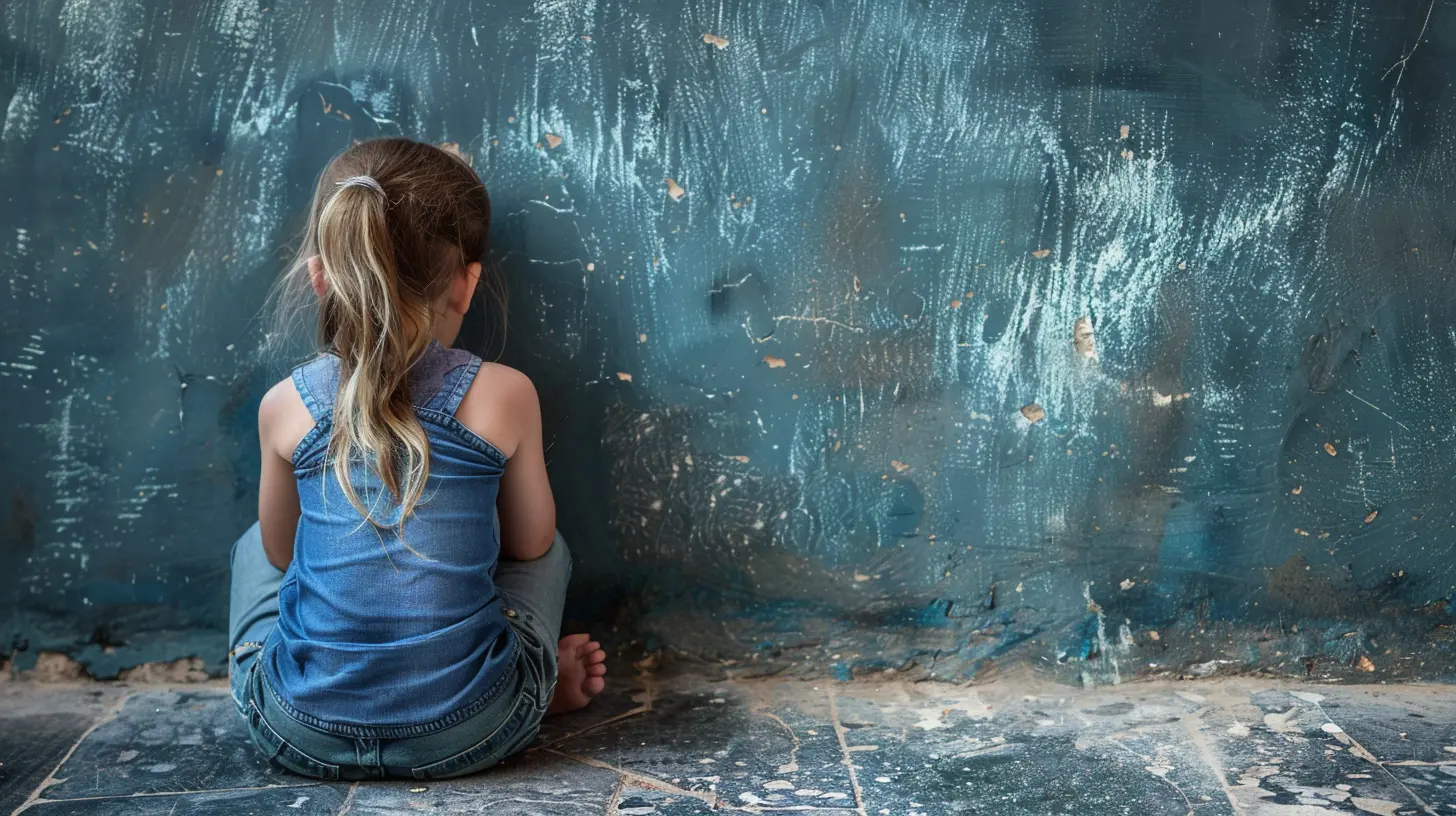
Clinical Approaches to Treating Childhood Trauma
1. Trauma-Focused Cognitive Behavioral Therapy (TF-CBT)
One of the most effective therapeutic approaches, TF-CBT, helps children and adults process traumatic memories while learning coping skills to manage distress.How does it work? It involves:
- Cognitive processing: Identifying negative thought patterns and reframing them.
- Exposure therapy: Gently working through traumatic memories in a safe space.
- Relaxation techniques: Teaching deep breathing or mindfulness to regulate emotions.
It’s like rewiring a faulty circuit in the brain—gradually replacing pain and fear with healing and understanding.
2. Eye Movement Desensitization and Reprocessing (EMDR)
EMDR might sound complex, but it’s actually a scientifically backed method for processing trauma. It involves moving the eyes in specific patterns while recalling painful memories, helping the brain reprocess them in a less distressing way.Think of it like reorganizing a messy closet—everything remains, but it’s more structured, manageable, and no longer overwhelming.
EMDR is especially useful for severe trauma and PTSD, often bringing relief faster than traditional talk therapy.
3. Play Therapy (For Children)
Children don’t always have the words to express their trauma, but they do have play. Play therapy allows kids to communicate emotions through toys, storytelling, and creative expression.Through guided play, therapists help children:
- Express deep-seated fears and emotions.
- Develop healthier coping mechanisms.
- Build a sense of safety and control.
Imagine a child drawing a picture of their trauma—this simple act can help them make sense of their emotions in a non-threatening way.
4. Attachment-Based Therapy
Many trauma survivors struggle with relationships, often fearing closeness or depending too much on others. That’s where attachment-based therapy comes in.This therapy focuses on:
- Healing broken trust.
- Building healthy emotional connections.
- Strengthening the child-caregiver bond.
For adults, it also involves working through past relationship patterns and learning how to create secure, fulfilling connections.
5. Somatic Therapy: Healing Through the Body
Trauma isn’t just stored in the mind—it’s stored in the body, too. Somatic therapy helps people release physical tension caused by trauma through techniques like:- Deep breathing exercises.
- Grounding techniques.
- Movement-based therapies (like yoga or dance).
It’s like allowing trapped energy to escape, helping the body reset itself to a state of calm.
6. Medication & Trauma Treatment
In some cases, medication is prescribed alongside therapy to manage symptoms of PTSD, anxiety, or depression. While not a standalone cure, it can provide relief for those struggling with overwhelming distress.Common medications include:
- Antidepressants (SSRIs like Prozac, Zoloft, or Lexapro)
- Anti-anxiety medication (short-term use)
- Sleep aids (for trauma-related insomnia)
Always consult a mental health professional before considering medication—it should be part of a well-rounded treatment plan, not the sole solution. 
The Importance of a Support System
Healing from childhood trauma isn’t just about therapy—it’s also about having a strong support system. Whether it’s family, friends, or a therapist, having safe people to lean on makes all the difference.For parents or caregivers helping a child heal, it’s crucial to:
- Listen without judgment.
- Provide a safe and predictable environment.
- Encourage emotional expression through conversations, art, or play.
- Seek professional help when needed.
For adults recovering from childhood trauma, building a support network—whether through therapy, support groups, or trusted loved ones—can be life-changing.
Practical Self-Healing Strategies
Therapy is powerful, but healing also happens outside of the therapist’s office. Some self-help strategies include:- Journaling: Writing down emotions can provide clarity and relief.
- Mindfulness & Meditation: Helps regulate emotions and reduce anxiety.
- Exercise: Moving the body helps release trauma-related tension.
- Creative expression: Art, music, or writing can provide an emotional outlet.
- Setting boundaries: Learning to say no and protect one’s emotional space.
Healing isn’t about magically erasing trauma—it’s about learning to live beyond it. Everyone’s journey is different, but each step forward is a step toward freedom.
Final Thoughts
Childhood trauma may shape a person, but it doesn’t have to define them. With the right clinical approach, the power of therapy, and a strong support system, true healing is within reach.If you or someone you know is struggling with childhood trauma, seeking professional help can be the first step toward a healthier, more fulfilling life. Remember—trauma might leave scars, but scars prove that healing is possible.
all images in this post were generated using AI tools
Category:
Clinical PsychologyAuthor:

Alexandra Butler
Discussion
rate this article
1 comments
Roxie McVaney
Trauma: Childhood's unwelcome guest!
July 22, 2026 at 3:30 AM