How Empathy Shapes Our Identity and Social Connections
9 May 2026
Empathy—it's one of those words we hear all the time, but do we really understand how deeply it influences who we are? From the way we see ourselves to the relationships we build, empathy is a driving force behind human connection. It’s what allows us to step into another person’s shoes, feel their emotions, and respond with kindness. But beyond just making us “nicer” people, empathy shapes our very identity and the way we interact with the world.
In this article, we'll dive deep into how empathy molds our sense of self and strengthens our social bonds. So, let’s get started!

What Is Empathy, Really?
Empathy isn’t just about feeling sorry for someone—it’s much more than that. There are three main types of empathy:1. Cognitive Empathy – This is understanding what someone else is feeling on an intellectual level. You "get it," but you may not necessarily feel it.
2. Emotional Empathy – Here, you actually share in someone’s emotions. When they’re happy, you feel joy; when they’re sad, you feel their pain.
3. Compassionate Empathy – This takes emotional empathy a step further. Not only do you feel what the other person feels, but you’re also moved to help them.
Each of these plays an essential role in defining who we are and how we connect with others.
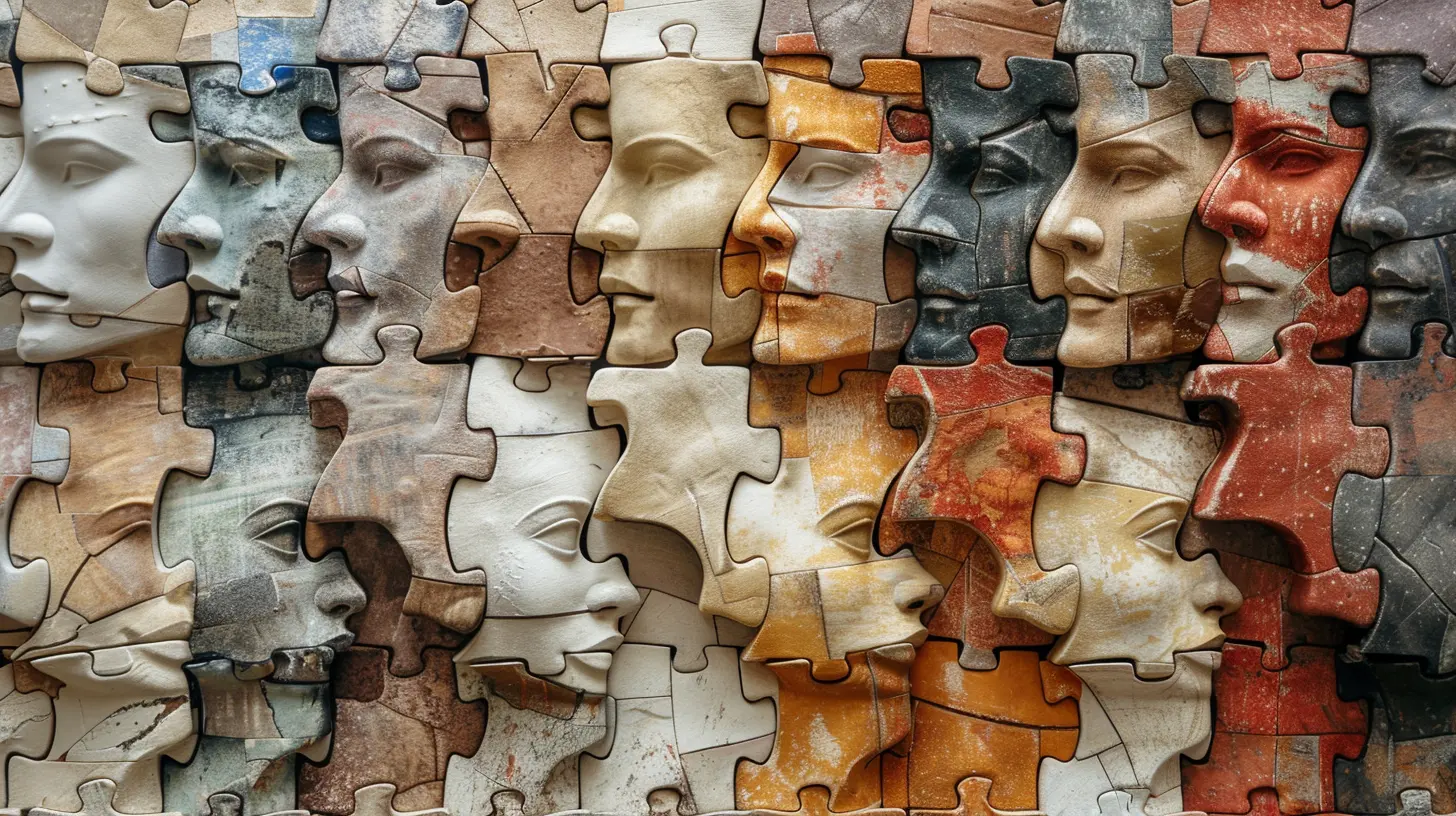
How Empathy Shapes Our Identity
1. It Defines Our Sense of Self
Ever notice how spending time with different people can make you feel like a slightly different version of yourself? That’s because our identity is, in part, shaped by how we relate to those around us.Empathy allows us to connect deeply with others, and in doing so, it influences our own self-perception. When we understand and care for others, we begin to see ourselves as compassionate and kind. Over time, our repeated empathetic interactions reinforce these characteristics, helping us define who we are.
2. It Influences Our Moral Compass
Why do we feel guilt when we see someone hurt because of something we did? Why do we feel a sense of justice when we see someone being treated unfairly? It’s empathy at work.Empathy helps us determine right from wrong. It enables us to consider the impact of our actions on others, making us more conscious of how we treat people. Without empathy, morality becomes just a set of rules rather than a personal code we feel deeply connected to.
3. It Shapes Our Emotional Intelligence
Emotional intelligence (EQ) is a key factor in personal and professional success, and empathy is at the heart of it. High emotional intelligence means you understand and manage emotions—both yours and those of others.People with strong empathy tend to be better communicators, leaders, and problem-solvers. They can navigate social interactions with ease, making them more adaptable and more likely to succeed in different life situations.
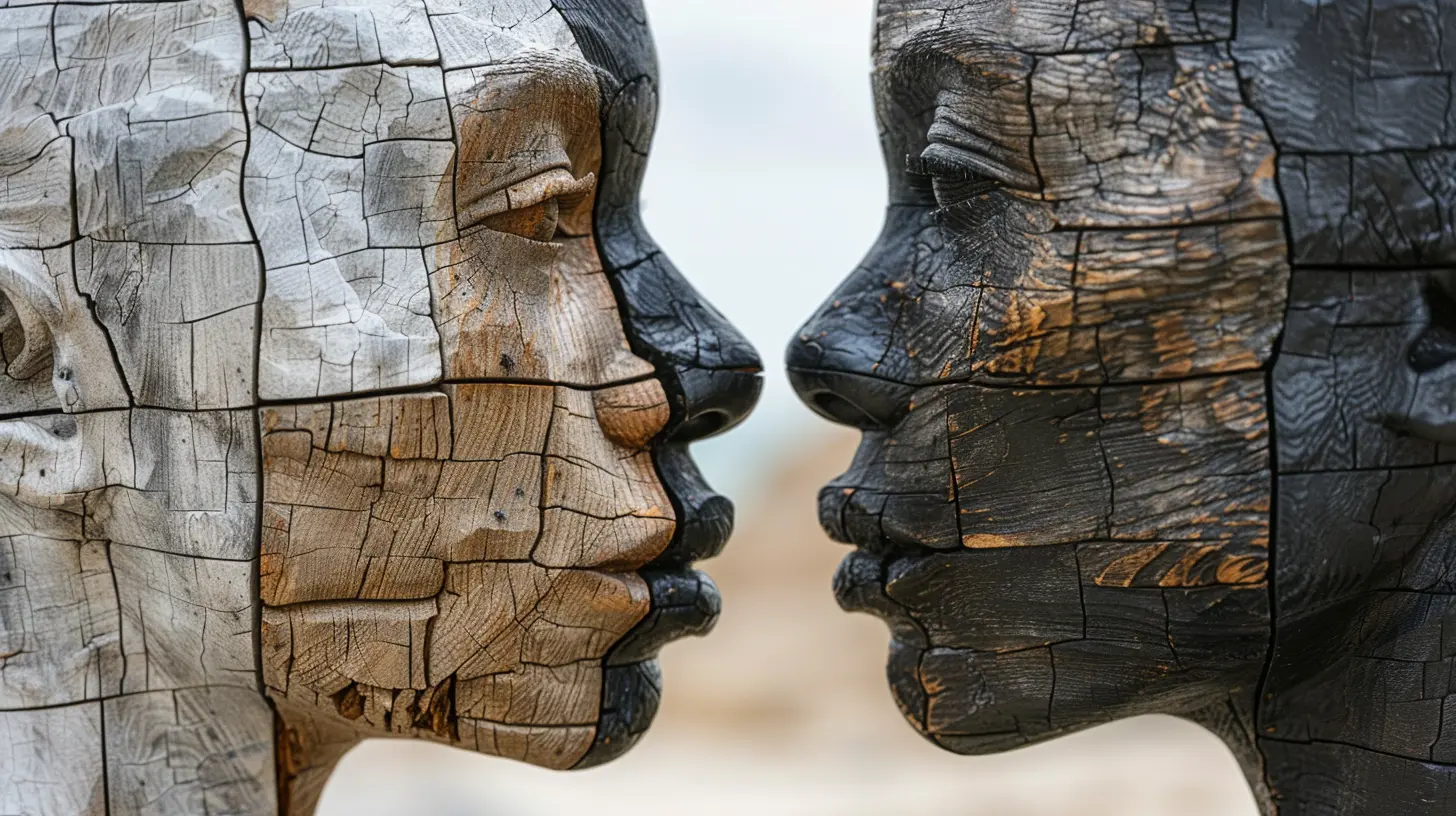
The Role of Empathy in Building Social Connections
1. Strengthening Friendships and Relationships
Think about the people you feel closest to. Chances are, they’re the ones who truly understand you, right? That’s because empathy is the foundation of deep connections.When we actively listen, validate emotions, and show that we care, we build trust. Friendships thrive on this kind of mutual understanding. The same applies to romantic relationships—when both partners feel seen and heard, the bond grows stronger.
2. Fostering a Sense of Community
Empathy doesn’t just impact individual relationships; it plays a massive role in shaping communities. Societies where people understand and support each other tend to be more cohesive and harmonious.From small groups like families and friend circles to large-scale communities, empathy is the glue that holds people together. Without it, relationships become transactional, and social connections weaken.
3. Reducing Social Conflict
Ever been in an argument where you just couldn’t see eye to eye? That’s usually because one or both sides are missing empathy.Conflicts, whether in personal relationships or society at large, are often caused by a lack of understanding. When we take the time to see things from another person’s perspective, we’re less likely to jump to conclusions or react with hostility. Empathy has the power to dissolve misunderstandings and build bridges where walls once stood.
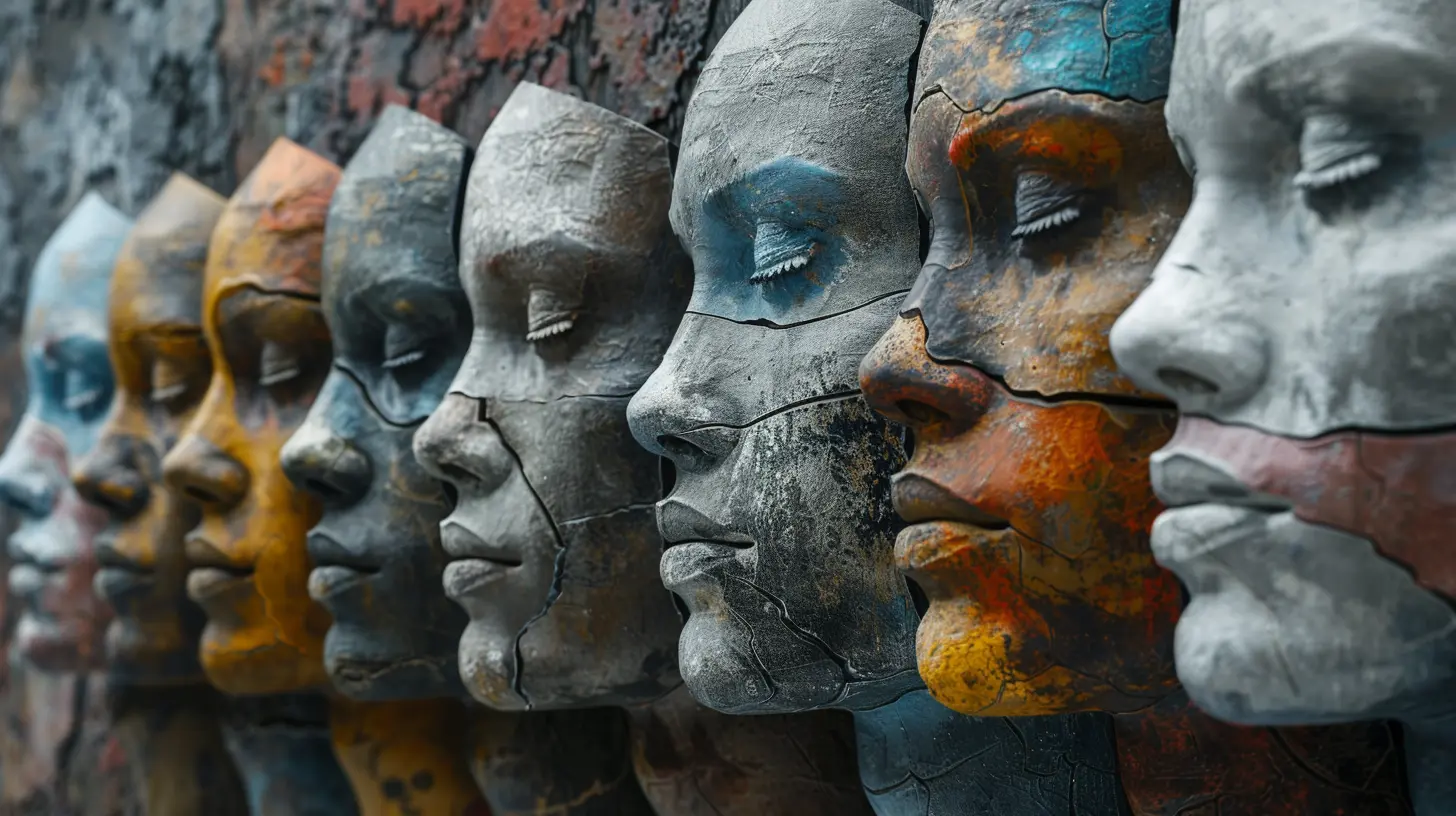
The Dark Side of Empathy: Can Too Much Be a Bad Thing?
While empathy is generally a positive trait, too much of it can sometimes be overwhelming. This is known as empathic distress—when we absorb others' emotions so intensely that it affects our own mental and emotional well-being.People who are highly empathetic may struggle with:
- Emotional burnout – Constantly feeling others' pain can be exhausting.
- Difficulty setting boundaries – Over-empathizing can lead to taking on others' problems as your own.
- Feeling overwhelmed in social situations – Large crowds or emotionally intense discussions may feel draining.
The key is balance. Practicing empathy while maintaining emotional boundaries ensures we can help others without losing ourselves in the process.
How to Cultivate More Empathy
Not everyone is naturally empathetic, but the good news is that empathy can be developed. Here are some simple ways to strengthen your empathetic abilities:1. Practice Active Listening
Instead of just hearing words, truly listen. Pay attention to tone, body language, and emotions behind the words.2. Put Yourself in Others' Shoes
Before judging, ask yourself: “How would I feel in their situation?” This small shift in perspective can make a huge difference.3. Read Fiction and Watch Meaningful Films
Stories allow us to experience life through different lenses. Fictional characters can teach us real-life empathy.4. Engage in Deep Conversations
Go beyond surface-level talk. Ask people about their experiences, emotions, and thoughts. Listen intently.5. Be Kind—and Mean It
Simple acts of genuine kindness can make the world a more empathetic place. A smile, a helping hand, a kind word—all of these matter.
Final Thoughts
Empathy is one of the most powerful forces shaping our identity and relationships. It influences how we see ourselves, how we treat others, and the depth of our social connections. While too much empathy can sometimes be overwhelming, a healthy balance creates meaningful relationships, reduces conflicts, and helps build a more compassionate world.So, the next time you find yourself in a conversation, take a moment to really listen. Step into the other person’s shoes and see the world through their eyes. Because when we lead with empathy, we don’t just connect with others—we also discover the best version of ourselves.
all images in this post were generated using AI tools
Category:
EmpathyAuthor:

Alexandra Butler
Discussion
rate this article
1 comments
Makayla Pruitt
This article really gets to the heart of how empathy influences our relationships. It's fascinating to see how understanding others not only builds connections but also shapes who we are. Empathy is a powerful tool that can foster deeper bonds and create a more compassionate world. I appreciate this perspective.
May 14, 2026 at 2:55 PM
Alexandra Butler
Thank you for your thoughtful comment. I'm glad you found the insights on empathy meaningful. It truly is a vital force in shaping our relationships and ourselves.