Transform Your Life by Increasing Emotional Intelligence
25 March 2026
Let’s be real—life can be messy. We all have those days when emotions run wild, and we say or do things we regret. Relationships get strained, work becomes stressful, and self-doubt creeps in. Here’s the good news: you don’t have to stay stuck in that emotional chaos. There's a game-changer that can help you rewrite the way you respond to life: Emotional Intelligence (EQ).
Now, before you roll your eyes and think this is just another buzzword psychologists throw around, hear me out. Emotional Intelligence is not just fluff—it’s one of the most powerful tools for personal transformation. If you’ve ever thought, “Why do I keep reacting like this?” or “How can I communicate better?”—you’re already knocking on EQ’s door.
So let’s break it down, keep it real, and show you how you can radically transform your life by increasing emotional intelligence.
What Is Emotional Intelligence, Really?
You’ve probably heard of IQ, right? It’s your intellectual intelligence—your ability to solve problems, do math, learn new things. Emotional Intelligence is kind of like IQ’s cooler, more emotionally mature cousin.In simple terms, Emotional Intelligence is your ability to:
- Recognize your own emotions
- Understand what they’re telling you
- Manage them in a healthy way
- Recognize emotions in others
- Respond with empathy and compassion
So yeah, it’s not about being overly emotional or suppressing your feelings. It’s about being smart with your emotions. Think of it like emotional superpowers—you get to understand why you feel the way you do and what to do about it.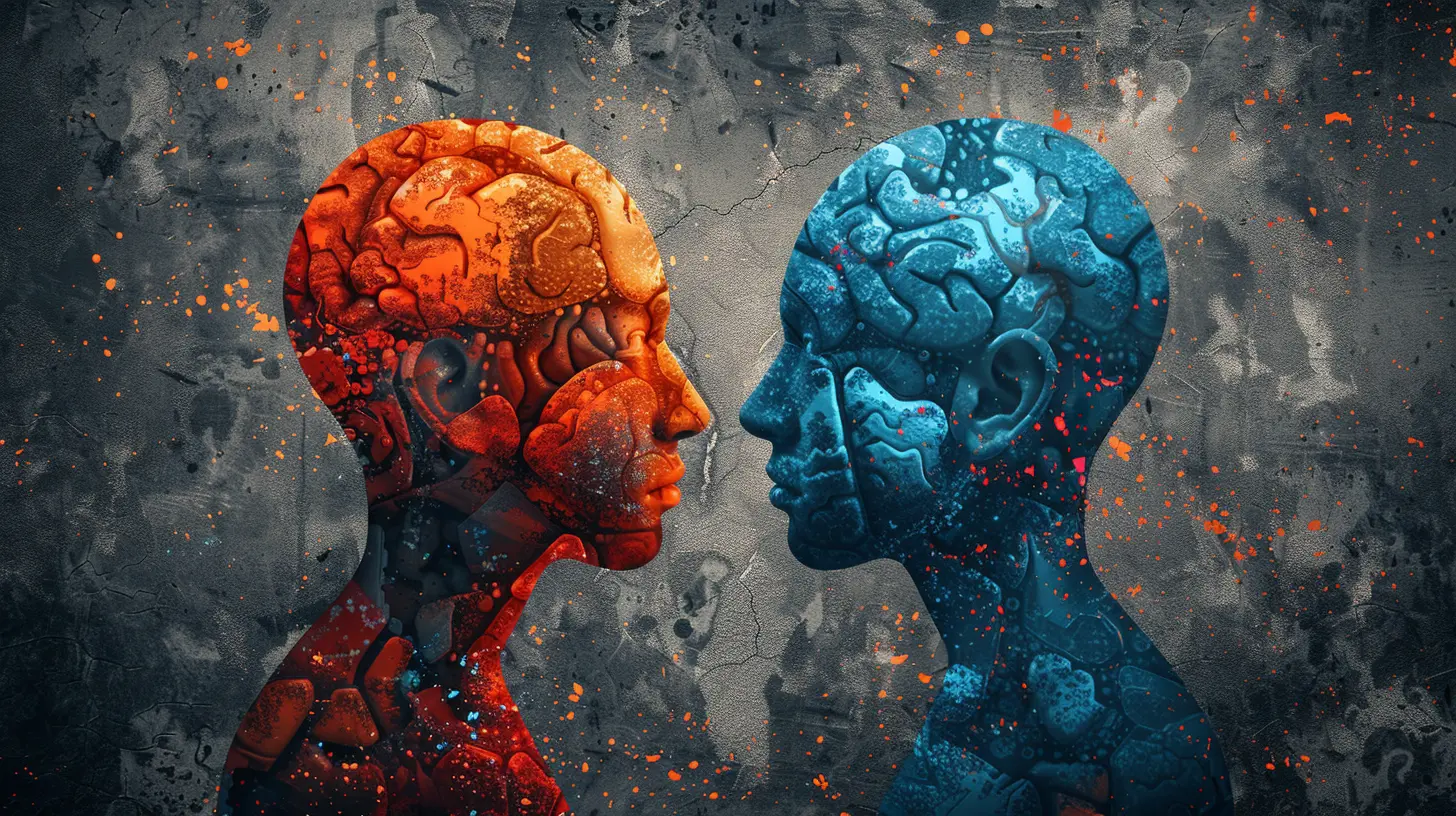
The Five Components of Emotional Intelligence
Let’s walk through the five big pillars of EQ. These are what psychologists like Daniel Goleman (the godfather of emotional intelligence) say are crucial to mastering your emotions.1. Self-Awareness
Let’s be honest. Most of us go through life on autopilot. We feel things, react, and move on without pausing to ask, “What’s really going on with me?”Self-awareness is like holding up a mirror to your emotional world. It helps you:
- Notice your moods and triggers
- Understand how your feelings impact your thoughts and behavior
- Recognize patterns in your reactions
Why it matters: If you’re not aware of your emotions, they’ll control you. If you're self-aware, you’re in the driver’s seat.
2. Self-Regulation
Ever lost your temper at the worst time? Or made a decision in the heat of the moment that you later regretted? That’s where self-regulation comes in.It’s about keeping your cool without bottling things up. It’s about responding, not reacting.
Here’s the trick: It doesn’t mean ignoring emotions; it means learning how to work through them in a way that doesn’t sabotage your life.
3. Motivation
This is your inner drive—the engine that pushes you to grow, change, and keep going even when things are tough.People with high emotional intelligence:
- Stay motivated by internal values, not just external rewards
- Bounce back from setbacks faster
- Keep a positive outlook even in tough times
Think of it like this: you’re the captain of your own ship. EQ gives you the compass and the fuel to keep sailing.
4. Empathy
Empathy isn’t just about being nice. It’s about truly understanding someone else’s emotional experience—even if you’ve never been in their shoes.When you can read the emotional landscape of others, you become a communication ninja. Relationships get deeper. Conflicts decrease. Trust skyrockets.
5. Social Skills
Whether it's chatting with the barista or managing a team of 20, social skills are essential.People with strong EQ can:
- Resolve conflicts calmly
- Influence and inspire others
- Build strong, healthy connections
So if you’ve ever struggled with awkward conversations or felt misunderstood—boosting your EQ in this area is a game-changer.
Why Emotional Intelligence Is the Ultimate Life Hack
If EQ were a product, we'd call it the Swiss Army knife of self-growth. Here's why:It Improves Your Relationships
Who doesn’t want better relationships? Whether it’s with your partner, parents, kids, coworkers, or friends—EQ makes communication 10x smoother.When you understand yourself, and recognize what others are feeling, you stop taking things personally. You start listening better. You respond in a way that builds bridges instead of burning them.
It Helps You Manage Stress Like a Pro
Emotions and stress go hand in hand. But with EQ, you don’t drown in the emotional storm. You learn how to surf the waves.Instead of spiraling into anxiety or overthinking, you start noticing:
- When you’re triggered
- Why you’re reacting that way
- What choices you have
It’s like having an emotional GPS—guiding you through challenges without losing your mind.
You Get More Done (And Feel Good Doing It)
Ever noticed how hard it is to be productive when you're in a funk? Emotions fuel your focus, energy, and even creativity.High EQ helps you keep your head in the game by:
- Managing procrastination
- Staying motivated
- Setting healthier boundaries
And yeah, this directly impacts your success—personally and professionally.
How to Start Increasing Emotional Intelligence Today
Ready to level up? Don’t worry, you don’t need a psychology degree. You just need a willingness to show up for yourself. Let’s go step-by-step.1. Practice Emotional Check-ins
This one’s simple but powerful.Ask yourself:
- “What am I feeling right now?”
- “Where is this emotion coming from?”
- “What do I need?”
It might feel awkward at first, but it builds your emotional vocabulary. Over time, you’ll stop saying “I’m fine” and start naming what’s really going on—whether it’s frustration, disappointment, or anxiety.
2. Keep a Journal
Journaling is like brain-dumping your feelings onto paper. No filters, no judgments.Try writing:
- What happened during your day
- How you felt in certain moments
- How you responded
- What you’d do differently next time
It builds clarity and self-reflection like nothing else.
3. Pause Before You React
When someone cuts you off in traffic or criticizes you—don’t snap. Pause. Breathe. Think.Ask:
- “What emotion am I feeling?”
- “Is my reaction helping or hurting the situation?”
This tiny pause can shift everything. It's like hitting the emotional brakes before you crash.
4. Listen More (Talk Less)
We tend to listen to reply, not to connect. But when you tune in deeply, you hear not just words—but the emotion behind them.Pro tip: Next time someone talks, don’t plan your response. Just listen. Watch their body language. Look into their eyes. Feel what they’re feeling.
5. Get Curious, Not Defensive
When someone gives feedback, your ego might scream, “They’re wrong!” But a high EQ response is to get curious.Ask:
- “Is there truth in what they’re saying?”
- “How can I grow from this?”
That mindshift makes you more adaptable, resilient, and emotionally balanced.
Real-Life Examples of Emotional Intelligence in Action
Need some proof? Let’s look at how EQ shows up in everyday life.Tom at Work
Tom used to snap at coworkers when stressed. After working on self-awareness and self-regulation, he started acknowledging his triggers and taking mini-breaks. Now he channels stress into focus, and his team sees him as a calm, reliable leader.Sarah and Her Partner
Sarah and her partner used to argue constantly. Instead of blaming, she started listening openly and validating feelings. As empathy grew, arguments decreased—and the connection deepened.Jake with His Anxiety
Jake always felt anxious before speaking up in meetings. Through journaling and emotional check-ins, he realized his fear came from feeling judged. He worked through that with self-compassion, and boom—his confidence shot up.Final Thoughts: Emotional Intelligence Is a Journey, Not a Destination
Look, no one wakes up one day with perfect emotional intelligence. It’s a daily practice. A muscle you strengthen over time. Some days you'll crush it. Other days, emotions will win. And that’s okay.The key is to stay committed to understanding yourself and showing up with kindness—for yourself and for others.
Remember, increasing emotional intelligence isn’t about never feeling angry, sad, or frustrated. It’s about knowing what to do when you feel those emotions.
So—wanna transform your life? Start by transforming your emotional world.
Your future self will thank you.
all images in this post were generated using AI tools
Category:
Emotional Intelligence TrainingAuthor:

Alexandra Butler
Discussion
rate this article
2 comments
Valeris West
This article beautifully highlights the significance of emotional intelligence in personal growth. By enhancing our ability to understand and manage emotions, we can improve relationships, decision-making, and overall well-being. A must-read for anyone looking to transform their life positively!
April 10, 2026 at 4:45 PM
Alexandra Butler
Thank you for your kind words! I'm glad you found the article insightful and valuable for personal growth.
Georgina McLaurin
This article beautifully highlights the power of emotional intelligence in transforming our lives. By nurturing self-awareness and empathy, we can enhance our relationships and personal growth. Embracing these skills opens the door to a more fulfilled and connected existence. Keep striving for emotional growth!
March 28, 2026 at 5:55 AM
Alexandra Butler
Thank you for your thoughtful comment! I completely agree-emotional intelligence truly has the power to transform our lives and relationships. Let's keep growing together!