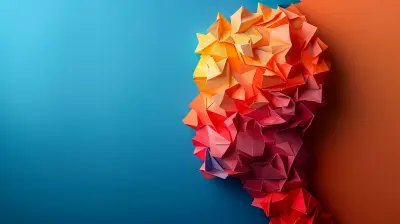
The Role of Empathy in Overcoming Conflicts
7 June 2026
Let’s be honest—conflict is just part of being human. Whether it’s a spat with a friend, tension at work, or a full-blown disagreement with your partner over why the dishes aren’t magically washing themselves (again), we all stumble into conflict. But one magical ingredient can dramatically change the game when it comes to finding peace in chaos: empathy.
In this article, we’re diving headfirst into the incredible power of empathy. We’re unpacking what it really means to be empathetic, how it helps us navigate conflicts more gracefully, and why it’s the secret sauce to better relationships. So grab your favorite drink, get comfy, and let’s talk feelings—because empathy isn’t just for therapists, it’s for all of us.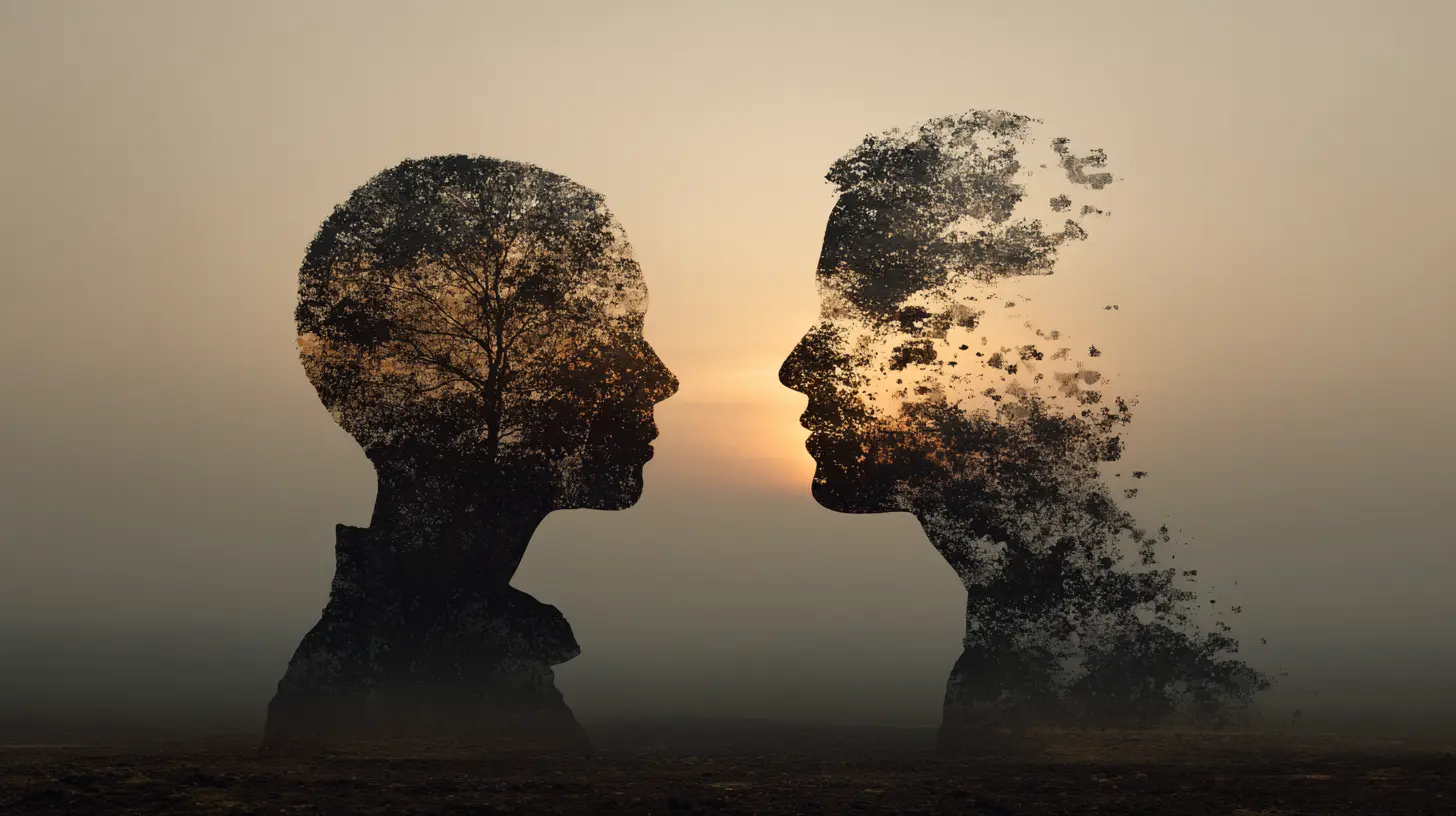
What is Empathy, Really?
Alright, let’s clear something up first: empathy is not the same as sympathy. Sympathy is when you feel sorry for someone. Empathy, on the other hand, is like jumping into their shoes, walking around a bit, and truly understanding what they’re feeling.Think of it like tuning into someone else’s emotional radio station. You’re not just hearing the music—they’re playing; you’re dancing to it. Whether it’s joy, sadness, anger, or confusion, empathy allows you to emotionally vibe with someone else.
There are actually three types of empathy:
- Cognitive empathy: Knowing what the other person is thinking.
- Emotional empathy: Feeling what they feel.
- Compassionate empathy: Wanting to help because you understand and feel their struggle.
When it comes to resolving conflict, all three types have their moments to shine.
Why Are We So Bad at Dealing with Conflict?
Before we get to the good stuff, let’s face some truth. Most of us aren't exactly conflict resolution champions. Why? Because when we're upset, we go straight into survival mode. It’s like our brains say, “Danger! Must defend self!” We get defensive, throw blame, or completely shut down.Ever had an argument that turned into an unintentional comedy sketch? One minute you’re talking about taking out the trash, and the next, you’re dragging up events from five years ago. That’s how fast emotions can hijack logic.
Here’s where empathy becomes a game changer.
Empathy: The Ultimate Conflict Diffuser
Empathy is like throwing a warm blanket over a heated argument. It doesn’t magically make the problem disappear, but it changes the emotional climate. Suddenly, it’s not “you vs. me”—it becomes “us vs. the problem.”1. Empathy Creates Emotional Safety
When people feel heard and understood, their emotional defenses come down. Think of empathy as the emotional equivalent of a cup of tea on a cold day—it makes people feel safe and validated.Imagine saying, “I can see why that made you upset” instead of “You're overreacting.” Which one do you think invites a more productive conversation?
Exactly.
2. It Builds Trust
Trust doesn’t come from winning every argument; it comes from knowing the other person genuinely gets you. When empathy is on the table, people are more likely to open up, be honest, and work toward a resolution.Empathy communicates: “I care about how you feel, not just how I feel.” And that’s powerful.
3. Empathy Dials Down the Ego
Conflicts often become ego battles. You need to be right. But empathy shifts the focus from being right to understanding. It's like swapping out a shield for a magnifying glass—you stop protecting yourself and start investigating what’s really going on.
How to Practice Empathy in the Heat of a Conflict
Okay, now you're sold on the benefits. But let’s be real—when emotions are high, empathy doesn’t always come easy. Here’s how to actually pull it off without turning into a Zen monk overnight.Step 1: Pause and Breathe
Yeah, it sounds simple, but pausing is powerful. When you feel your temperature rising, give yourself a beat. Take a deep breath. That tiny space between reaction and response is where empathy lives.Step 2: Listen Like You Mean It
Most people don’t really listen—they just wait for their turn to talk. Try this instead: Tune into the feelings behind the words.Ask yourself:
- What might they be feeling right now?
- Why might they see things this way?
Step 3: Validate Their Feelings
You don’t have to agree to acknowledge someone's emotions. Saying something like, “That sounds really frustrating” goes a long way. It doesn’t mean you’re surrendering your own viewpoint—it means you're human enough to see theirs.Step 4: Share, Don’t Attack
Use “I” statements instead of “You” accusations. Like, “I felt hurt when this happened,” beats “You always do this!” It shifts the conversation from blame to understanding.Step 5: Get Curious, Not Furious
Instead of assuming the worst, ask questions. “Help me understand what you meant,” is a magical sentence. It opens the door instead of slamming it shut.Real-Life Examples (Because We All Learn Better With Stories)
Let’s imagine a few real-world situations where empathy turned arguments into understanding.The Roommate Rumble
Tina and Jess were ready to declare war over the dirty dishes. But instead of going full passive-aggressive, Tina said, “Look, I get that you’ve had a crazy week, but I’m feeling overwhelmed when the kitchen’s a mess. Can we figure out something that works for both of us?”Boom—walls down. Meeting of the minds initiated.
The Office Showdown
Sam missed a deadline, and Jamie was fuming. Instead of blasting Sam in an email, Jamie asked, “Hey, I noticed the report wasn’t done. Is everything okay?” Turns out Sam was dealing with a family emergency. Instant empathy, conflict averted.The Relationship Tiff
Alex and Jordan weren’t seeing eye to eye on holiday plans. But when Alex said, “I know spending time with your family is important to you, and I want to find a way that works for both of us,” it shifted the vibe from “We’re on opposite sides” to “We’re in this together.”Empathy in Larger Conflicts: Can It Really Make a Difference?
Absolutely. Empathy doesn’t just smooth over minor arguments—it has the power to bridge massive divides.Think about leaders who defuse international conflicts—or even community organizers trying to unite different perspectives. Their secret weapon? Deep listening and understanding both sides.
Empathy doesn’t mean giving up your beliefs. It means respecting someone else’s humanity enough to see where they’re coming from.
But What If the Other Person Has Zero Empathy?
Great question. Sometimes, you're bringing the warm, fuzzy vibes, but the other person is ice cold. So what do you do?- Keep practicing empathy—because it keeps you grounded and clear-headed.
- Set boundaries with kindness.
- Don’t expect emotional maturity from someone who hasn’t developed it yet.
- Remember: Empathy is your tool. Use it for your growth, not just theirs.
Teaching Empathy to Kids (Start 'Em Young!)
Children are emotional sponges. It’s never too early to teach them the value of empathy. When kids learn to recognize others’ feelings, they become better communicators, kinder friends, and more peaceful problem-solvers.Try this:
- Label emotions out loud (“You look sad. Want to talk about it?”)
- Read books with characters who show empathy.
- Model empathy in your own life.
Even adults can benefit from empathy refreshers (there’s no shame in the self-improvement game).
The Ripple Effect of Empathy
When one person chooses empathy, it creates a ripple. You may not see it right away, but the energy shifts. Conversations soften. Understanding grows. Trust builds.Think of empathy as planting seeds. Some grow instantly, others take time. But in the long run, they all bloom into something better.
Final Thoughts: Empathy is the Bridge, Not the Detour
Conflict isn’t going anywhere (sorry!). But empathy? That’s your secret weapon. It doesn’t mean you have to agree with everyone or bend over backward to make people happy. It just means you’re willing to see them, hear them, and connect—human to human.And in this messy, complicated world, that’s a pretty amazing thing to do.
So next time conflict knocks on your door, answer with empathy. Who knows? You might just turn a tug-of-war into a handshake.
all images in this post were generated using AI tools
Category:
EmpathyAuthor:

Alexandra Butler
Discussion
rate this article
1 comments
Fenris McWain
Empathy truly transforms conflicts into opportunities for understanding and connection. Great insights!
June 23, 2026 at 4:04 AM
Alexandra Butler
Thank you! I'm glad you found the insights valuable. Empathy really can bridge gaps and foster connection.