How Empathy Can Improve Your Romantic Relationships
18 July 2026
When it comes to love and relationships, people often talk about passion, chemistry, shared interests, or even communication. But there's one emotional skill that silently runs the whole show — empathy.
Yes, empathy. That ability to step into your partner's shoes, feel what they’re feeling, and respond with care and understanding. It’s not just a feel-good buzzword; it’s quite literally the backbone of healthy, long-lasting romantic relationships.
So, why does empathy matter so much in love? And how can you use it to make your relationship better, stronger, and more connected? Let’s dive into it.
What Is Empathy, Really?
Before we get ahead of ourselves, let’s break down what empathy actually is.Empathy is more than just “feeling sorry” for someone. It’s the ability to emotionally tune into another person’s inner world — to genuinely feel with them, not just for them.
There are actually a few layers to empathy:
- Cognitive empathy is understanding what your partner is thinking.
- Emotional empathy is feeling what they’re feeling.
- Compassionate empathy is not just understanding or feeling — it’s taking action to support them.
Now think about that in the context of a relationship. Imagine how powerful it is when your partner can truly feel your joy, your pain, your stress — and actually do something about it. That’s empathy in action.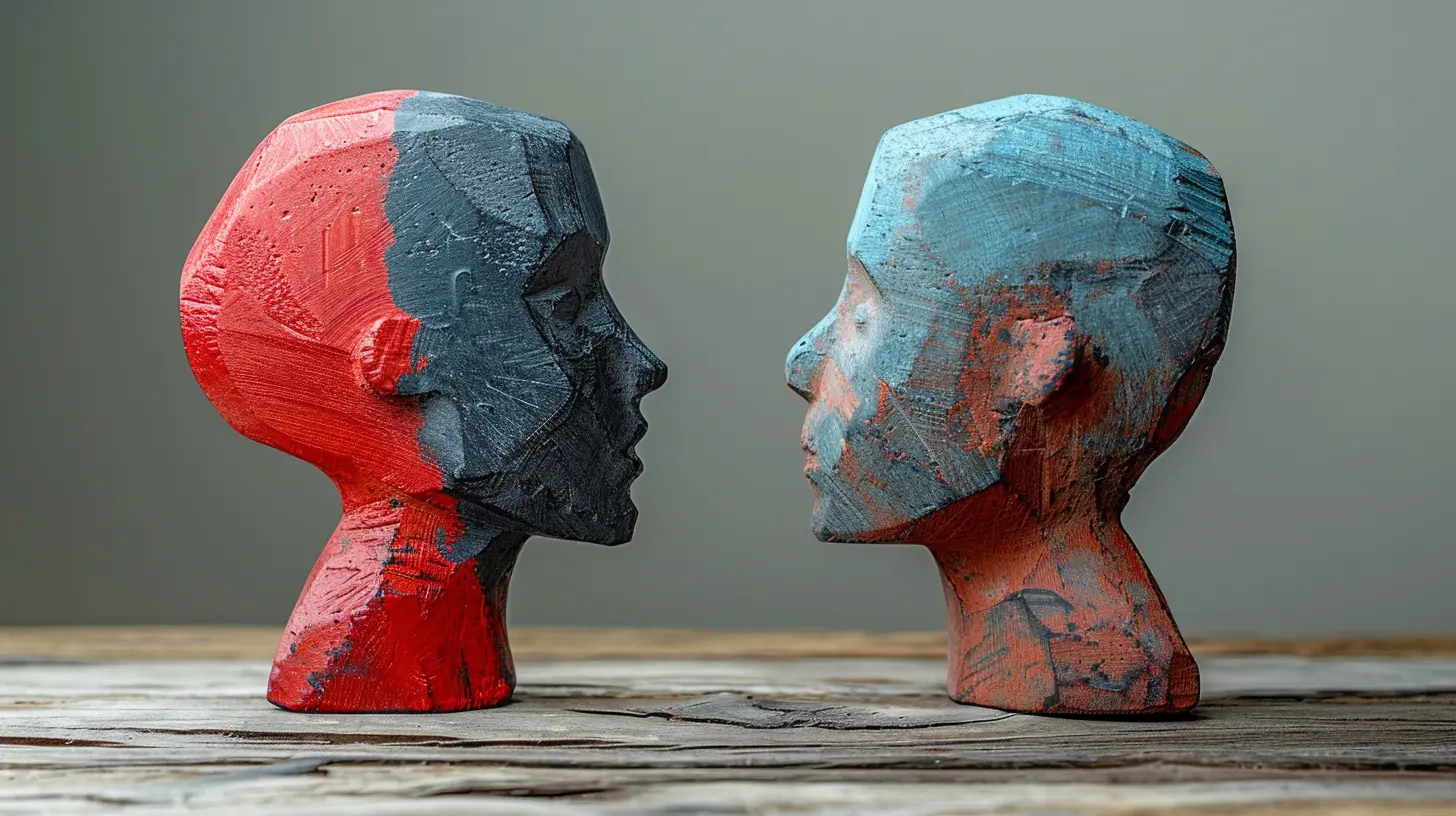
Why Empathy Is The Secret Sauce in Romance
Most of us want to be seen and understood — not just heard, but really gotten. Empathy does exactly that.Let’s look at some ways empathy upgrades your relationship game.
1. Empathy Improves Communication (Big Time)
Ever had an argument where your partner totally misunderstood your point and it quickly turned into a fight about how you were fighting? Yeah, we’ve all been there.Empathy helps you listen to actually understand, not just plan your next rebuttal. When you try to genuinely see where your partner’s coming from, the tone of the conversation changes. It's less "me vs. you" and more "us vs. the problem."
👉 Tip: Next time you’re in a disagreement, try saying, “I hear that you’re feeling ___. That makes sense because ___. Can we figure this out together?” It totally diffuses the tension.
2. It Builds Emotional Intimacy
Sexual chemistry is great, but emotional intimacy is where lasting love lives.When your partner feels that you “get” them, walls come down. Vulnerability becomes safer. You start sharing more deeply. And that turns your relationship into a true partnership rather than just two people coexisting.
Empathy isn’t just about responding to sadness. It’s also about celebrating joy, understanding goals, and supporting dreams. That’s the kind of intimacy that lasts.
3. Empathy Helps You Navigate Conflict Like a Pro
No couple is immune to conflict — and honestly, a little fighting is healthy. But how you fight? That’s the real game-changer.Empathy softens conflict. When you can pause, step out of your own defensive mindset, and say, “Okay, what might they be feeling right now?” — it takes the edge off. Suddenly, it’s not about winning; it’s about healing and solving.
And here's the cool part: Empathy is contagious. If you start showing it, your partner is way more likely to return the favor.
4. It Strengthens Trust and Security
Relationships thrive on trust. Feeling emotionally safe with your partner is non-negotiable.Knowing that your partner will try to understand you even when you're not at your best? That’s powerful. It says, “I’ve got you. Even when it’s tough.” And that kind of emotional safety deepens love in a way no grand romantic gesture ever could.
How Lack of Empathy Destroys Relationships
On the flip side, when empathy is missing, things fall apart fast.Let’s be real: when your partner doesn’t try to understand you, you feel invisible. Misunderstood. Alone — even when you’re sitting right next to each other.
A lack of empathy can lead to:
- Constant misunderstandings
- Emotional disconnect
- Resentment building up
- Apathy toward each other’s needs
- An overall breakdown in emotional support
It’s not always loud and dramatic either. Sometimes it's just a slow fade — two people quietly drifting apart because they stopped trying to see the world through each other’s eyes.
Signs You’re Lacking Empathy In Your Relationship
Wonder if you or your partner might need to flex your empathy muscles a bit more? Here are some red flags to look out for:- You often interrupt or talk over each other
- Feelings are dismissed or minimized
- Conflict always feels like a battle
- One or both of you feel emotionally neglected
- You avoid emotional conversations altogether
If any of these hit home — don’t worry! Empathy isn’t inborn. It’s a skill. And like any skill, it can be learned and improved.
How To Grow Empathy In Your Romantic Relationship
Alright, here’s where it gets good. Let's talk practical tools. These aren’t just ideas — they’re real, actionable ways to bring more empathy into your love life.1. Slow Down and Actually Listen
Sounds obvious, right? But ask yourself this: How often do you listen just to reply instead of actually hearing your partner?Practice active listening. This means:
- Making eye contact
- Putting down your phone
- Reflecting back what you heard (“So you’re feeling upset because…”)
- Asking clarifying questions
The better you listen, the more your partner will want to open up to you.
2. Validate Their Feelings (Even If You Don’t Agree)
Empathy doesn’t mean you have to agree with everything your partner says or feels. It just means acknowledging their experience.Saying “That must be really frustrating for you” or “I can understand why you’d feel that way” can go a long way in making your partner feel seen — even if you see things differently.
3. Practice Perspective-Taking
Try this mental exercise: Whenever you're in a disagreement, ask yourself, “If I were them, with their life experience, emotions, and point of view, how would I see this situation?”It’s like changing lenses. And it can completely transform how you approach the conversation.
4. Tune Into Nonverbal Cues
Empathy isn’t just about what’s said — it’s about what’s unsaid too.Body language, facial expressions, tone of voice — they all offer emotional clues. Sometimes your partner won’t have the words for what they’re feeling, but their body will do the talking.
Being emotionally present means paying attention to those subtle signals.
5. Respond, Don’t React
When emotions are high, it’s so easy to snap back. But a reactive response often pours fuel on the fire.Instead, pause. Take a breath. Ask yourself: “What are they really trying to say here? What do they need from me right now?”
That short pause creates space for empathy to work its magic.
6. Create A Safe Space For Vulnerability
Let your partner know you’re a soft place to land.When they open up, don’t criticize, judge, or minimize. Just hold space. Give them permission to be human — messy emotions and all.
The safer they feel, the deeper the emotional connection will grow.
The Ripple Effect of Empathy
You know what’s wild? When you start showing up with more empathy in your romantic relationship, it doesn’t just help your partner — it transforms you too.You become more emotionally attuned, more patient, more compassionate in other areas of life.
And that’s the beauty of it. Empathy is like a muscle. The more you use it, the stronger it gets. And the stronger it gets, the healthier your relationship becomes.
Final Thoughts
Empathy isn’t just a relationship “bonus” — it’s a necessity. It’s the bridge that connects two people, lets love go deeper, and helps romance stand the test of time.So if you're looking to make your relationship stronger, don’t rush out to buy flowers or plan a weekend getaway. Instead, start by trying to really understand your partner. Feel what they feel. Be present with them.
Because at the end of the day, empathy is love in action.
all images in this post were generated using AI tools
Category:
EmpathyAuthor:

Alexandra Butler