The Happiness Set Point: Can You Really Change How Happy You Are?
13 January 2026
What if I told you that your happiness might be as stable as your height? Weird, right? But that's the idea behind the concept of the "Happiness Set Point." According to some psychologists, we all have a sort of internal thermostat for happiness — a baseline level of joy we tend to revert to, no matter what life throws at us.
So that raises the million-dollar question: if you're not naturally as happy as your smiling, always-upbeat coworker, are you stuck with your emotional baseline forever? Or can you shift that set point and actually become, well… happier?
Let’s dive into what the science says, sprinkle in some real-life practicality, and figure out if we’re all just passengers on the emotional rollercoaster or if we can actually take the wheel.
What Is the Happiness Set Point?
Imagine your happiness like a rubber band. You can stretch it with a new job, a breakup, a vacation, or even hitting traffic on a Monday morning. But eventually, that rubber band snaps back to its original shape. That "original shape" — that’s your happiness set point.The term comes from research in psychology and positive psychology. The general idea is this: about 50% of your happiness is determined by your genetics. That means it’s inherited, baked into your DNA. That’s not to say you’re doomed if your family tree isn’t full of cheerful folks, but it does set a kind of default mode for your emotional life.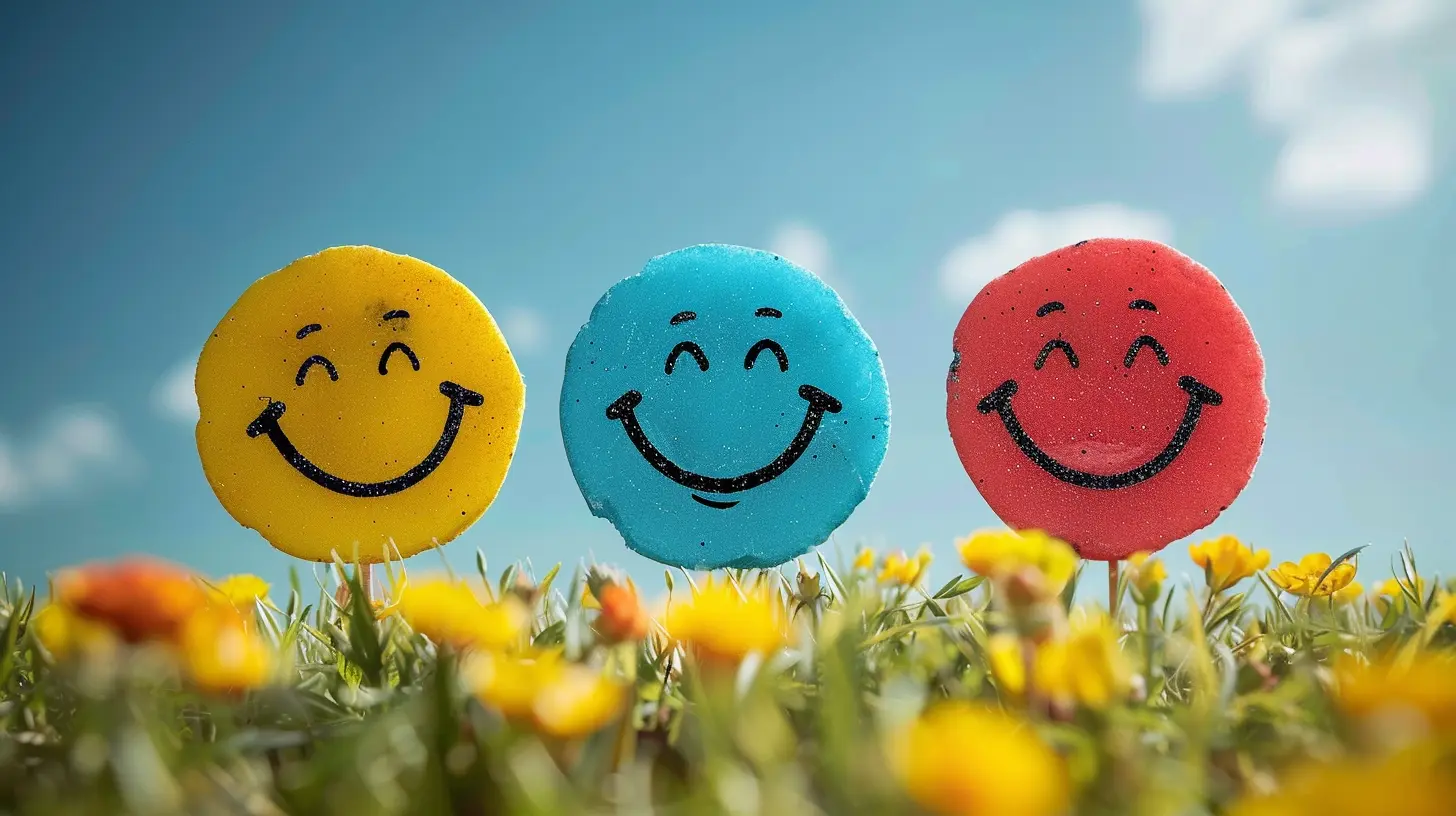
The Breakdown of Happiness
To understand the happiness set point a little better, let's take a quick look at how researchers think happiness is split up:- 50% Genetic Set Point – This is your default, the emotional range you tend to hover in naturally.
- 10% Circumstances – This includes your income, relationship status, job, health, etc. Surprisingly small, right?
- 40% Intentional Activity – This chunk is basically how you think and what you do. It's your habits, your gratitude list, your morning coffee mindfulness time.
Here's the kicker: even though you can't do much about your genes (short of rewriting your DNA like some sci-fi movie), you have a lot of influence over that 40%.
Can You Actually Change Your Happiness Set Point?
Let’s not beat around the bush — yes, you can influence your happiness. But before you get too excited, this isn’t about a magic pill that’ll make you smile 24/7. It’s more like training your happiness muscle.The term "set point" can make it sound like your baseline is immovable. But recent studies, especially in the field of neuroplasticity, suggest otherwise. Your brain can change. Your thoughts and behaviors can rewire your emotional responses. So maybe it's more accurate to call it a “set range” than a set point.
Think of it like a thermostat. Maybe it’s set to 72 degrees (your neutral state), but you can warm it up a little or cool it down depending on what you do, how you think, and how consistently you engage in actions that promote well-being.
Why Our Set Point Snaps Back
Ever feel a rush of joy after getting a promotion, then weeks later, you're kind of...meh again?That’s called hedonic adaptation — a fancy term for getting used to stuff. It’s like when you first move into a new, sunny apartment and feel amazing. A month later? It’s just where your laundry lives.
This hedonic treadmill is why short-term happiness boosts don’t last. We adapt to both the good and the bad. While that helps us survive emotionally after tough times, it also means we can’t rely on "circumstances" alone to make us happy long term.
So, What Can You Actually Do To Be Happier?
Here comes the good stuff. You might not be able to rewrite your biology, but that 40% is all you, baby.Let’s look at ways to bump your happiness level that are both science-backed and doable:
1. Practice Gratitude (Yes, It Works)
Before you roll your eyes, hear me out. Gratitude is like a cheat code for happiness. It trains your brain to focus on what’s going right instead of what’s missing.You don’t need a fancy leather-bound journal. Just write down three things you’re grateful for each day. Maybe it’s a good cup of coffee, a text from a friend, or just the fact that you didn’t get stuck in traffic.
Small things, big impact.
2. Strengthen Your Relationships
Humans are social creatures (even the introverts among us). Positive social connections are one of the strongest predictors of long-term happiness.Call your mom. Send a meme to your best friend. Grab coffee with someone you haven't seen in a while.
You don't need a huge circle. One or two close relationships can make a world of difference.
3. Get Moving — Literally
Exercise isn’t just for looking good in jeans. Physical movement produces endorphins — your brain’s natural feel-good chemicals.And you don’t need to train for a marathon. A 20-minute walk in fresh air can do wonders. Stretch, dance in your room, do some yoga in pajamas — just move.
4. Be Mindful (No, You Don't Have to Meditate for Hours)
Mindfulness gets a lot of buzz, but it’s not about becoming a monk. It’s just about being present — paying attention to your thoughts without judging them.You can practice it while doing the dishes, brushing your teeth, or even eating tacos. (Try focusing on every bite. It’s harder than it sounds.)
Mindfulness helps you catch negative thoughts before they drag you down the rabbit hole.
5. Help Others
Acts of kindness have a boomerang effect. When you do something nice for someone else, your brain lights up like it's winning a prize.It doesn’t have to be huge — hold the door for someone, pay for a stranger’s coffee, or volunteer for a few hours a month.
Giving isn’t just about money. It’s about energy, time, and intention.
6. Set Meaningful Goals
Ever notice how good it feels to check something off a to-do list?Setting goals — even small ones — gives your life direction and purpose. It’s not about being perfect; it’s about moving forward.
Just don’t forget to enjoy the process. Happiness isn’t only in the destination — it’s in the ride.
Common Myths About Happiness
Let’s bust a few myths that might be keeping you from feeling your best:❌ "I’ll Be Happy When…"
That’s the classic trap. "I’ll be happy when I get that job, lose 10 pounds, find my soulmate." The problem? Once you get there, your mind just finds a new "when."Try anchoring your happiness in the now, not the someday.
❌ "Some People Are Just Happier Than Others"
Sure, some folks are born with sunnier dispositions. But that doesn’t mean you can’t train your brain to be happier. Remember that 40%? That’s your playground. Use it.❌ "Being Happy Means Being Happy All The Time"
Nope. Real happiness includes the full range of emotions. It’s okay — even healthy — to feel sad, frustrated, or anxious sometimes. Being emotionally honest is far more sustainable than pretending you’re okay when you’re not.Happiness is a Practice, Not a Destination
Here’s the truth: You probably won’t wake up one day and feel "complete" happiness forever. It’s a practice, sort of like brushing your teeth or eating your veggies. You need to tend to it every day.Think of your happiness like a plant. You can’t just water it once and expect it to thrive. It needs consistent care — a little sunlight, maybe some talking to, definitely some weeding now and then.
So, while your genetic set point does play a role, it’s not the whole story. You have the power — and the responsibility — to shape your emotional world.
Final Thoughts: So, Can You Really Change How Happy You Are?
Yes, you can.Your happiness isn’t carved in stone. It’s more like wet cement — partially shaped by life and biology, but still moldable by your thoughts and actions.
You're not stuck. You're human. That means you’re capable of growth, change, and creating a life that feels good from the inside out.
So, the next time someone says “you can’t change your happiness,” smile politely — and keep doing the little things that prove them wrong.
Remember: happiness isn't out there waiting to be found. It's within you, waiting to be cultivated.
all images in this post were generated using AI tools
Category:
Psychology Of HappinessAuthor:

Alexandra Butler
Discussion
rate this article
2 comments
Patricia Forbes
The concept of the happiness set point raises intriguing questions about the nature of well-being. While genetic and environmental factors play significant roles, the potential for intentional change through practices like mindfulness and gratitude suggests that happiness, to some extent, can be cultivated.
January 26, 2026 at 4:25 PM
Alexandra Butler
You're right. While our set point has a foundation in genetics and environment, embracing practices like mindfulness and gratitude can definitely help shift our perspective and enhance our overall well-being.
Runeveil Hunter
Happiness isn't a fixed destination; it's a dynamic journey. While the set point theory offers insights, it's time to challenge limiting beliefs. You have the power to reshape your mindset and cultivate joy daily—own your happiness and stop settling for less!
January 13, 2026 at 4:10 AM
Alexandra Butler
Absolutely! Happiness is a journey shaped by our mindset. Embracing the power to redefine our beliefs can truly enhance our daily joy. Thank you for sharing this perspective!