How Empathy Can Improve Social Justice Movements
8 January 2026
Okay, let’s be real for a second. The world is quite a mess sometimes, right? People yelling on social media, protests turning into chaos, and debates that feel more like verbal wrestling matches. "Can we all just get along?"—that age-old plea echoes louder than ever. But what if I told you there's a secret sauce that could make social justice movements not only more effective, but also more compassionate, inclusive, and sustainable?
Yes, folks, that magical ingredient is empathy. 🍲
Now, before you roll your eyes and think, “Oh great, another kumbaya moment," hold up! I promise this won't be a group hug session. We’re diving deep into how empathy isn’t just a soft, feel-good emotion—it’s a hardcore, world-changing powerhouse.
So, grab your favorite drink, get comfy, and let’s unpack how empathy can (and absolutely should) be the MVP of every social justice movement.
What the Heck is Empathy Anyway?
Let’s kick things off with the basics: empathy is the ability to put yourself in someone else’s shoes. No, not literally (unless you’re into funky shoe swaps), but emotionally and mentally understanding what someone else is going through.And before we confuse empathy with sympathy—they’re not twins. Sympathy is saying, “Wow, that sucks for you.” Empathy is saying, “Wow, I feel that. I’m with you.” See the difference?
There are three types of empathy:
1. Cognitive empathy: You understand what someone is thinking.
2. Emotional empathy: You feel what someone is feeling.
3. Compassionate empathy: You understand, feel it, and do something about it.
Social justice needs all three. Imagine them like the holy trinity of not-being-a-jerk.
Why Social Justice Movements Need Empathy Like Plants Need Water
Let’s be honest—talking about racism, sexism, ableism, or any other -ism is emotionally exhausting. It’s messy, uncomfortable, and downright painful at times. But you know what makes those conversations possible?Empathy.
When we approach these massive, tangled-up issues with a foundation of empathy, something magical happens. People feel seen. They feel heard. And when that happens—BAM—we’ve got the ingredients for real, lasting change.
Without empathy, social justice movements risk becoming echo chambers or worse—judgy, cancel-happy moral Olympics. And nobody wants to play that game.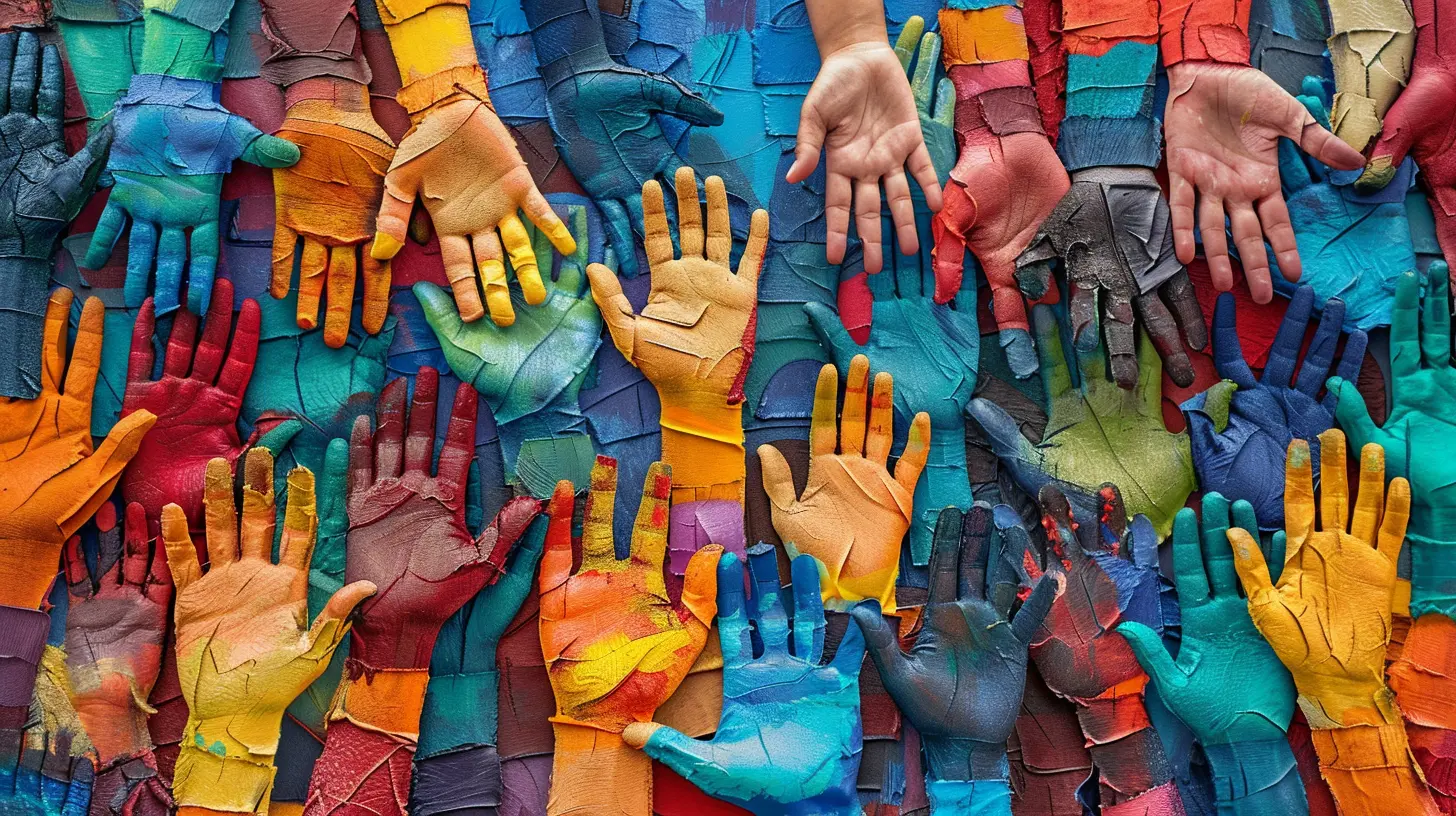
Empathy Builds Bridges, Not Walls
Let’s take a quick mental field trip. Imagine you're at a protest, and there’s a counter-protester waving a sign you absolutely hate. Your blood pressure spikes, and maybe your inner voice is screaming some very unprintable words.Now, insert empathy. Instead of just reacting, you pause and think, “Why does this person believe what they believe? What story are they telling themselves? What experiences shaped them?”
Boom. Now you’re not just reacting—you’re understanding.
Sure, it doesn’t mean you agree with them. But recognizing someone’s humanity is a baller move, emotionally speaking. Empathy doesn’t mean compromising your values; it means strengthening your approach from the inside out.
Real Talk: Without Empathy, Movements Can Eat Their Own
Here’s a spicy hot take: social justice movements sometimes turn on their own members. We've all seen it—even people trying to do good get dogpiled for not saying the right thing or having the “perfect” opinion.That’s where empathy needs to swoop in like a superhero in yoga pants.
People make mistakes. Learning is messy. If we treat every misstep like a moral failing, we don’t grow a movement—we grow fear. And when people are scared to speak up, the movement loses momentum.
Empathy creates space for dialogue, not just monologue. It makes room for growth instead of just judgment.
The Empathy Effect: How It Moves the Needle IRL
You might be thinking, “Okay, but does empathy actually work in the real world—or is this just TED Talk fluff?” Oh, buckle up.🎯 Case in Point: Civil Rights Movements
Dr. Martin Luther King Jr. didn’t just yell angrily (although, let’s be real, he had every reason to). He appealed to the hearts of all Americans by saying, “I have a dream…” He painted a picture of unity, peace, and empathy, which made his message not only powerful but magnetic.🧠 Case in Point: Neurodiversity Advocacy
Rather than arguing that neurodivergent individuals should just “fit in,” today’s advocates are inviting everyone to understand how neurodivergent brains work—and make room for them. That shift to empathetic messaging has opened doors in education, work, and public policy.❤️ Case in Point: LGBTQ+ Rights
Empathy skyrocketed public support for LGBTQ+ rights as people began to personally connect with stories from friends, family, and public figures. Listening to real lives, real pain, and real joy? That changed minds way faster than statistics ever did.How to Inject Empathy into a Movement (Without Losing Edge)
Okay, we’ve fangirled enough over empathy—now let’s get to the good stuff. How do we actually bake empathy into the cake of activism?1. Start with Storytelling
Cold facts rarely move people. But stories? Oh, they grip hearts like your grandma’s bear hug.Instead of shouting, "The wage gap is 16%!"—try sharing Jane’s story where she works just as hard but brings home less bacon. Stories humanize the stats.
2. Listen (Like, Really Listen)
Put down your megaphone for a second and tune in. Let people talk. Their truth may surprise you. Active listening = empathy in action.3. Acknowledge Complexity
Nothing is black and white. Every issue has layers, histories, and nuances. Empathy helps us embrace that complexity without losing our heads.4. Forgive Mistakes—Gently Educate
Not everyone is woke or enlightened 24/7. (Heck, even the woke need naps.) Allow for learning curves, and offer corrections with kindness—especially to allies who are trying.5. Speak to Common Values
Find the overlap. Whether it’s love for family, fairness, or safety—appeal to that common ground. That’s where empathy really thrives.But Wait—Isn’t Empathy Emotionally Exhausting?
Great question, imaginary reader! (But also, probably a real reader who’s been burned out before.)Yes, empathy fatigue is legit. You can’t pour from an empty cup, right? So:
- Take breaks. Self-care isn’t selfish—it's a strategy.
- Set boundaries. You’re not the empathy police.
- Tag team. Activism is a group project, not a solo mission.
Empathy isn’t about feeling everyone’s pain like a sponge—it's about connection, not martyrdom.
Empathy Isn’t a Trend—It’s a Revolution
Here’s the mic-drop moment: Empathy isn’t weakness. It’s not flaky, soft, or idealistic. It’s the bedrock of any movement that wants to last longer than a Twitter trend.Empathy helps us turn protests into policies, chants into change, and division into dialogue.
It’s what helps us build not just louder movements—but smarter, kinder, more effective ones.
Because at the end of the day, social justice isn’t about being right—it’s about doing right. And empathy? That’s the compass that points us toward justice with heart.
TL;DR (Too Long; Did Read)
Empathy is the unsung hero of social justice movements. It opens minds, softens hearts, and lets people from all walks of life feel like they have a place in the conversation. When we lead with empathy, we turn messy, heated debates into powerful, inclusive actions.And let’s be real… the world could use a lot more of that.
So let’s keep marching, posting, voting, and advocating—but let’s do it with empathy laced into every step. Cool?
Catch you on the compassionate side.
all images in this post were generated using AI tools
Category:
EmpathyAuthor:

Alexandra Butler
Discussion
rate this article
2 comments
Thalor Duke
Empathy isn't optional; it's essential. Igniting true change demands understanding, compassion, and unwavering commitment to justice.
January 24, 2026 at 5:20 PM
Alexandra Butler
Thank you for emphasizing the vital role of empathy in driving meaningful social change. Your insight underscores how understanding and compassion are crucial for effective justice movements.
Faye Wells
This article offers a fresh perspective! I’m intrigued by how empathy can truly transform social justice movements. Looking forward to exploring practical applications further!
January 13, 2026 at 4:59 PM
Alexandra Butler
Thank you for your thoughtful comment! I'm glad you found the article intriguing. Exploring practical applications of empathy in social justice is vital, and I appreciate your interest in the topic!