The Gut-Brain Axis: How Your Digestive System Affects Your Mood
19 June 2026
Ever had a "gut feeling" about something? It turns out, there’s more truth to that phrase than you might think. The connection between your gut and your brain isn’t just a metaphor; it’s a real, biological link that science is just beginning to fully understand. And this connection, known as the gut-brain axis, plays a crucial role in how you feel—both physically and emotionally.
In fact, your digestive system does more than break down food. It communicates with your brain, influencing your mood, mental health, and even your overall sense of well-being. So, how exactly does your gut affect your brain and mood? Let’s dive deep into this fascinating relationship and see how your body’s second brain plays a vital role in your emotional health.
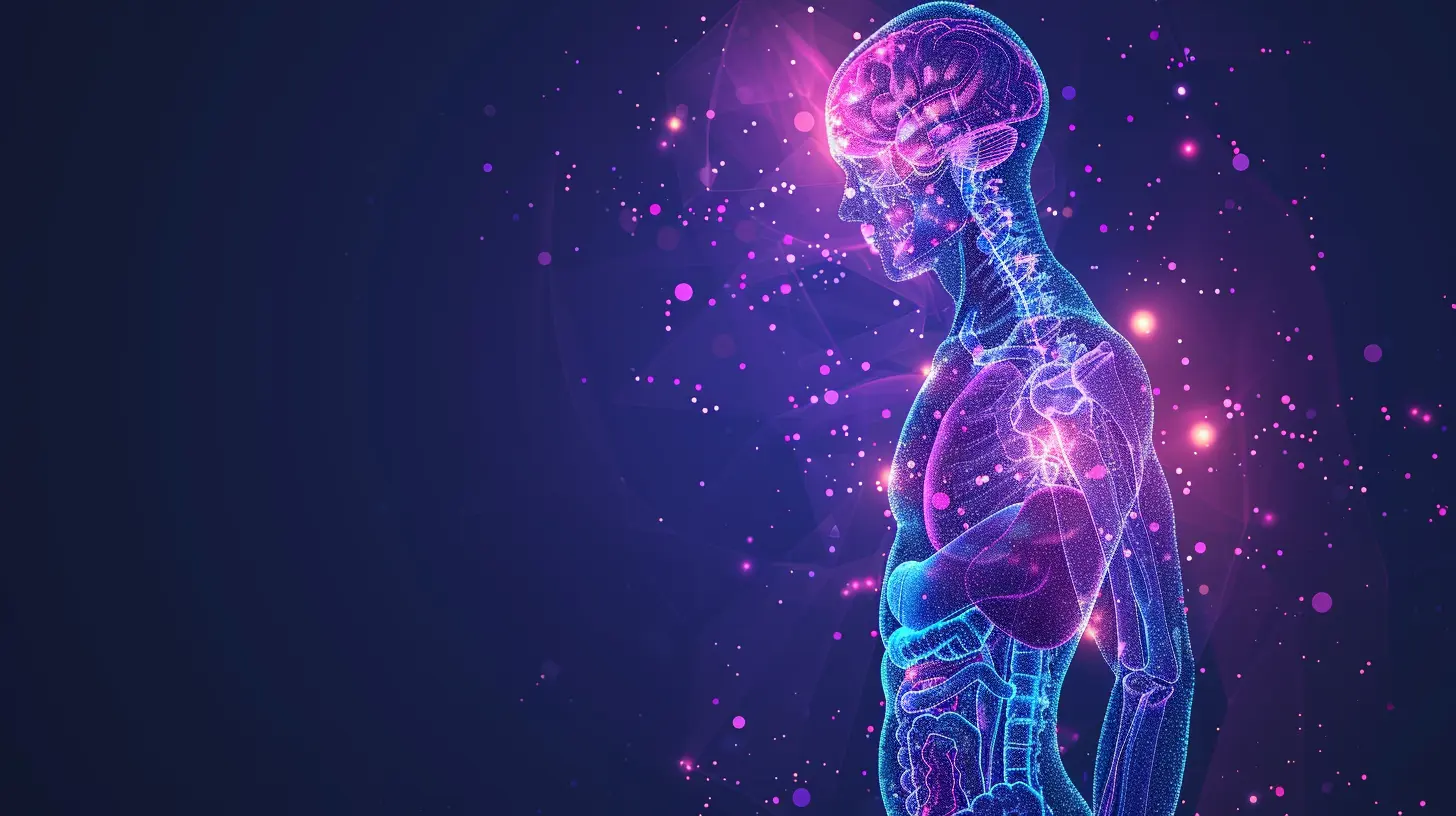
What is the Gut-Brain Axis?
The gut-brain axis is a two-way communication system between your gastrointestinal (GI) tract and your central nervous system (CNS), which includes your brain and spinal cord. It’s a complex network involving nerves, hormones, and biochemical signals that allow the gut and brain to "talk" to each other.Think of it as a constant chat between two friends, one in your head (the brain) and one in your belly (the gut). This conversation flows both ways, meaning what happens in your gut can influence your brain and vice versa. It’s a truly symbiotic relationship.
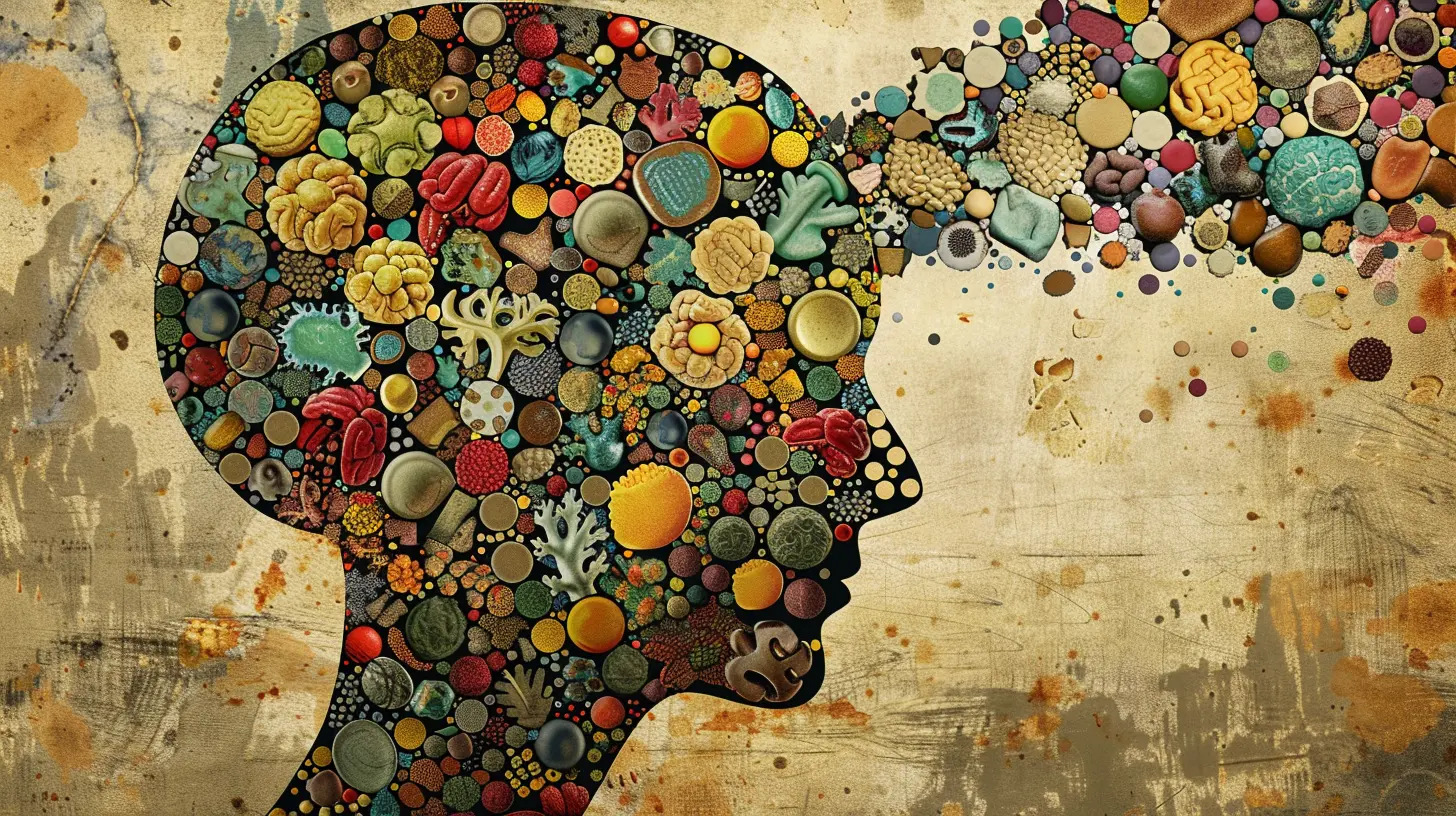
But here’s the kicker: Your gut is home to trillions of microorganisms—bacteria, fungi, and viruses collectively known as the gut microbiome. These tiny critters not only help digest food but also produce chemicals that affect brain function, mood, and behavior. In fact, some scientists refer to the gut as the "second brain" because of the direct influence it has over cognitive and emotional processes.
The Science Behind It: How Does the Gut Talk to Your Brain?
The gut-brain axis operates through a few key mechanisms. Here’s how they work together to create that mind-gut connection:1. The Vagus Nerve: Your Body’s Superhighway
The vagus nerve is like the high-speed internet connection between your brain and gut. It’s the longest cranial nerve in your body and acts as a direct line for communication between the two systems. When your gut sends a signal—whether it's distress from indigestion or a feeling of satiation after eating—it’s the vagus nerve that delivers the message to your brain.What’s interesting is that the vagus nerve isn’t just a one-way street. It sends signals from your brain to your gut as well, influencing digestive processes. This nerve has a huge impact on how your brain interprets feelings of stress, anxiety, and even happiness.
2. Neurotransmitters: Chemical Messengers from the Gut
You’ve probably heard of serotonin, the "feel-good" chemical that helps regulate mood. What you might not know is that around 90% of your body’s serotonin is actually produced in the gut, not the brain. Yes, your gut is a serotonin factory!Other neurotransmitters like dopamine and gamma-aminobutyric acid (GABA), both of which play roles in mood regulation and mental health, are also partially produced in the gut. When your gut is healthy, it can produce enough of these chemicals to keep your mood stable. But when things go awry, such as when your gut microbiome is imbalanced, it can contribute to feelings of anxiety, depression, or irritability.
3. Inflammation and the Immune System
Your gut houses about 70% of your immune system. When you have chronic inflammation in your gut due to poor diet, stress, or illness, it can lead to systemic inflammation that affects your brain. This inflammation can impair brain function and even contribute to mental health disorders like depression and anxiety.In fact, there’s growing evidence that inflammation in the gut can lead to a "leaky gut," where harmful bacteria and toxins pass through the gut lining into the bloodstream. Once these toxins reach the brain, they can trigger inflammation there as well, further disrupting mood and cognitive function.
The Role of Gut Bacteria in Mental Health
Your gut microbiome—the community of microorganisms living in your digestive tract—has a surprisingly big influence on your mental health. Researchers have found that specific strains of gut bacteria can impact mood, stress levels, and even how you process emotions.1. The Microbiome and Anxiety
Some studies have shown that people with anxiety disorders often have an imbalance in their gut bacteria, known as dysbiosis. Certain bacteria produce chemicals that calm the brain and regulate stress, while others may produce chemicals that heighten feelings of anxiety. Too much of the wrong kind can lead to an anxious, unsettled brain.In animal studies, researchers have found that mice raised in sterile environments without any gut bacteria exhibited higher levels of anxiety and stress-related behaviors. When these mice were given probiotics (beneficial bacteria), their anxiety levels decreased. Similar effects have been observed in humans, suggesting that maintaining a healthy gut microbiome could be key to managing stress and anxiety.
2. The Gut and Depression
The connection between gut health and depression is also gaining attention. Some studies suggest that people with depression often have less diversity in their gut microbiome. Furthermore, certain anti-depressant medications, such as SSRIs (Selective Serotonin Reuptake Inhibitors), may actually work by influencing gut bacteria in addition to their effects on brain serotonin levels.Interestingly, some research is even exploring the potential of using psychobiotics—probiotics specifically aimed at improving mental health—as a treatment for depression. While this is still an emerging field, it opens up exciting possibilities for more holistic approaches to mental health care.
3. Mood Swings and Gut Health
Ever notice how your mood can change drastically after you’ve had a bad meal or experienced bloating or discomfort? That’s because your gut and emotions are intricately linked. When your gut is out of balance, it can lead to unpredictable mood swings, irritability, and even brain fog.Essentially, when your gut is unhappy, your brain gets the memo—often in the form of emotional distress. Keeping your gut in good shape can help maintain more consistent, positive moods.
How to Support the Gut-Brain Connection
Now that we know how powerful the gut-brain relationship is, the next logical question is: What can you do to keep your gut—and therefore your mood—healthy? Here are a few strategies that can help you nurture this critical connection.1. Eat a Gut-Friendly Diet
A healthy gut starts with a healthy diet. Focus on eating foods that nourish your gut microbiome, such as:- Fermented foods like yogurt, sauerkraut, kefir, and kimchi. These are rich in probiotics, which are beneficial bacteria that contribute to a healthy gut.
- Prebiotic foods like garlic, onions, bananas, and asparagus. Prebiotics are types of fiber that feed your gut bacteria, helping them thrive.
- Fiber-rich foods like whole grains, fruits, and vegetables. Fiber helps keep your digestive system moving smoothly and supports a balanced microbiome.
2. Consider Probiotics
Taking a probiotic supplement can be a great way to ensure you’re maintaining a healthy balance of gut bacteria, especially during times of stress or illness. However, not all probiotics are created equal. Look for one that contains a variety of strains and consult with a healthcare provider to find the best option for you.3. Manage Stress
Since stress has a direct impact on both your gut and brain, managing stress is key to keeping the gut-brain axis in balance. Consider incorporating stress-relief practices into your routine, such as:- Meditation and mindfulness exercises
- Deep breathing techniques
- Physical activities like yoga or walking in nature
The Future of Gut-Brain Research
The gut-brain axis is a rapidly growing area of research, and scientists are constantly uncovering new ways that the gut impacts mental health. In the future, we may see more targeted treatments for mental health disorders that focus on restoring gut balance, potentially offering more natural and holistic approaches to mental well-being.One exciting area of research is the potential use of fecal microbiota transplants (FMTs) to treat mental health conditions. While this may sound a bit off-putting, the idea is that transplanting a healthy person’s gut bacteria into someone with dysbiosis could help restore balance and improve mental health outcomes.
Conclusion
The gut-brain axis is a remarkable and intricate system that shows how deeply intertwined our physical and emotional health really are. By supporting your gut health through diet, probiotics, and stress management, you can significantly improve your mood and overall mental well-being. So, next time you get a "gut feeling," listen closely—it might be telling you more than you realize!all images in this post were generated using AI tools
Category:
Mind And Body ConnectionAuthor:

Alexandra Butler
Discussion
rate this article
1 comments
Michelle Hamilton
This article highlights the fascinating link between gut health and emotional well-being. Very insightful!
July 1, 2026 at 4:35 AM