The Importance of Boundaries in Relationships with People Who Have Personality Disorders
29 April 2026
When we talk about relationships, most of us imagine a comfortable balance of giving and receiving — a safe space where love, respect, and understanding flow freely. But what happens when you're in a relationship with someone who has a personality disorder? Things can get complicated, emotional, and downright draining if clear boundaries aren't in place.
Let’s be honest — setting boundaries can feel awkward, especially with someone you care about. But here’s the truth: boundaries don’t mean you’re being cold or uncaring. They’re actually a form of love — for yourself and the other person. Let’s unpack why boundaries are not just helpful but absolutely essential in relationships where personality disorders are in the mix.
What Are Personality Disorders, Really?
Before we can dive into the importance of boundaries, it helps to understand what a personality disorder actually is.A personality disorder is a mental health condition that affects the way someone thinks, feels, and behaves. We're not talking about occasional mood swings or quirky habits. These are long-standing patterns that can make day-to-day relationships challenging — not only for the person experiencing the disorder but also for the people around them.
Some common types include:
- Borderline Personality Disorder (BPD) – features intense emotional shifts, fear of abandonment, and unstable relationships.
- Narcissistic Personality Disorder (NPD) – involves an inflated sense of self-importance and a lack of empathy for others.
- Antisocial Personality Disorder (ASPD) – includes manipulative, deceitful, or even harmful behavior without remorse.
- Histrionic Personality Disorder – characterized by extreme emotions and attention-seeking behaviors.
Each type has its own unique challenges, but a common thread among them is difficulty maintaining healthy interpersonal relationships.
Why Are Boundaries So Vital in These Relationships?
Imagine trying to hold water in your hands. Without a container — or boundaries — the water slips through your fingers. Relationships without boundaries are the same way. They tend to fall apart, leave you drained, and make emotional survival next to impossible.So, why are boundaries absolutely necessary?
1. They Protect Your Mental Health
Let’s call it what it is — relationships with someone who has a personality disorder can be emotionally exhausting. You might end up feeling manipulated, used, or constantly anxious. Without boundaries, it's easy to lose your sense of self.Boundaries act like a mental health shield. They help you say, “I deserve peace,” and “I’m not responsible for managing someone else’s emotions.”
2. They Create Structure
People with personality disorders often struggle to understand or respect social norms. This doesn't mean they're bad people — but it does mean they may push limits, test loyalties, or cross emotional lines without even realizing it.Clear boundaries give both of you a blueprint. They lay out what’s okay and what definitely isn’t. Think of them like road signs — they guide the relationship down a smoother, safer path.
3. They Promote Accountability
When boundaries are clear, there’s no room for the blame game. If you’ve communicated your needs and limits, then the other person knows where you stand. Boundaries create space for both people to step up, take responsibility, and own their actions.4. They Help You Stay Compassionate Without Losing Yourself
It’s easy to feel guilt when setting boundaries, especially if you’re empathetic by nature. But boundaries don’t mean you stop caring — they just mean you care in a way that’s sustainable. You can still offer support without becoming someone’s emotional punching bag.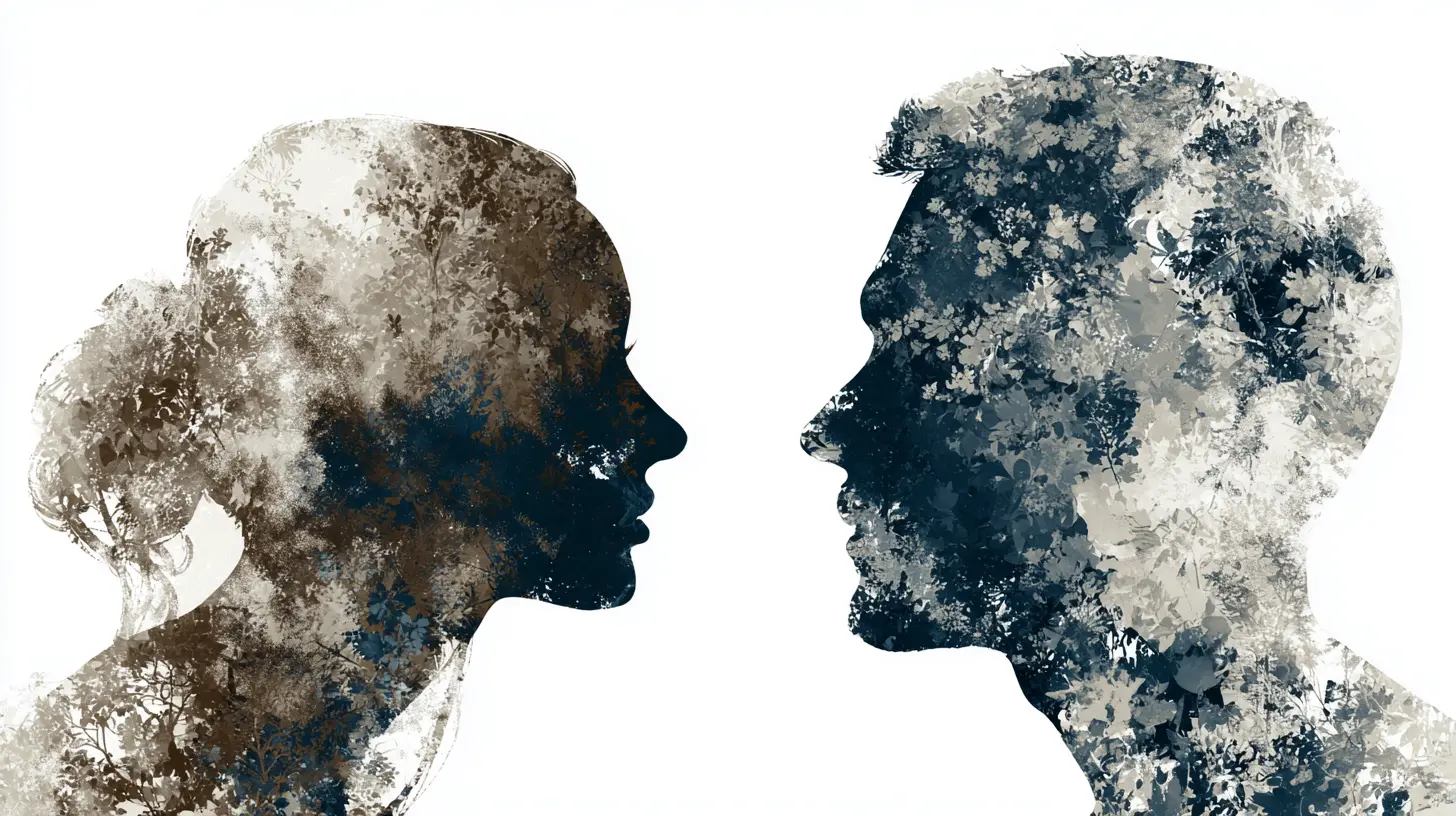
Signs You Need Stronger Boundaries
Still unsure whether you need firmer boundaries? Here are some red flags that shouldn't be ignored:- You feel drained after every interaction
- You’re walking on eggshells constantly
- You’ve started doubting your own feelings or memories (hello, gaslighting)
- You abandon your own needs to avoid conflict
- You feel responsible for the other person's happiness or moods
If any of these sound familiar, it’s probably time to draw a few healthy lines in the sand.
How to Set Boundaries — Without the Guilt Trip
I get it — setting boundaries can feel selfish. But guess what? It’s the opposite. You’re being honest about your needs, which is not only brave but necessary.Here’s how to do it without burning bridges:
1. Start with Self-Awareness
You can’t set boundaries if you don’t know what your limits are. Take a deep breath and ask yourself:- What behaviors upset me?
- What drains me emotionally?
- What do I need to feel safe and respected?
This self-check is the launchpad for setting meaningful boundaries.
2. Be Clear and Straightforward
Let’s skip the vague hints — they rarely work.Say things like:
- “I’m not okay with being yelled at. If that continues, I’ll leave the conversation.”
- “I need downtime after work. I’m not available for long talks until after dinner.”
- “I can’t be your only emotional support. Let’s talk about therapy options.”
Keep it calm. Keep it clear. Keep it consistent.
3. Stick to Your Guns
Here’s the honest truth — some people won’t like your boundaries. They might try to manipulate you, guilt-trip you, or throw a tantrum. This is especially true for some personality disorders where emotional regulation is a struggle.Stay firm. If you waver every time someone pushes back, your boundaries might as well be written in sand at low tide.
4. Use “I” Statements
This keeps the focus on you — not on blaming the other person. For example:- ❌ “You always ignore me!”
- ✅ “I feel hurt when I’m spoken over and not heard.”
This approach lowers defenses and invites understanding rather than conflict.
Setting Boundaries Without Abandoning the Person
Setting boundaries doesn’t mean you cut the person off — unless that’s what you need to stay healthy. It’s about creating a relationship that works for both of you. That might look like:- Taking regular breaks from contact
- Letting them know what types of conversations you're willing (or not willing) to have
- Encouraging them to get professional help
- Choosing not to engage in toxic behavior cycles
You can love someone and still say, “This part of your behavior isn’t okay with me.”
What to Expect: The Pushback is Real
Here’s the kicker — when you start setting boundaries, don’t be surprised if things get worse before they get better. Some people will resist. Hard. They may accuse you of being selfish or say you’re abandoning them.Don’t cave.
This isn’t a sign you’re doing something wrong — it’s a sign you’re doing something powerful. You're changing the dynamic, and change is hard. But it’s worth it.
Let’s Talk About Boundaries and Therapy
If the relationship is close — like with a parent, spouse, or sibling — it can be helpful to bring a therapist into the mix. Not just for the person with the personality disorder, but for you too. Therapy gives you tools, language, and confidence to maintain your emotional well-being.Couples or family therapy can also help define roles, create healthy communication, and establish mutual understanding. It’s not a magic fix, but it’s a strong step in the right direction.
When Boundaries Become Non-Negotiable
Some behaviors shouldn’t be tolerated. If the relationship becomes emotionally or physically abusive, you have every right to walk away. No amount of love, sympathy, or patience justifies staying in a toxic or dangerous situation.Remember: taking care of yourself isn’t selfish — it’s survival.
Final Thoughts: Boundaries Are Love in Action
Look, relationships are messy — add in a personality disorder, and they become a minefield. But with clear, compassionate boundaries, you can protect your energy, show up authentically, and maybe even help the other person grow.You can’t control someone else’s actions. But you can take responsibility for your own emotional safety, and that’s the first and most powerful step toward a healthier, happier life.
So, don’t just draw the line — honor it. You’re worth it.
all images in this post were generated using AI tools
Category:
Personality DisordersAuthor:

Alexandra Butler
Discussion
rate this article
1 comments
Brandon Gibson
Setting boundaries isn't cruel; it's essential. You protect your well-being while respecting their autonomy, without apology.
April 30, 2026 at 3:12 AM
Alexandra Butler
Absolutely. Boundaries are vital for maintaining your health and fostering mutual respect, especially in challenging relationships.