Will Voting Lead to a Longer Life? It's Possible
June 27, 2026 - 17:41
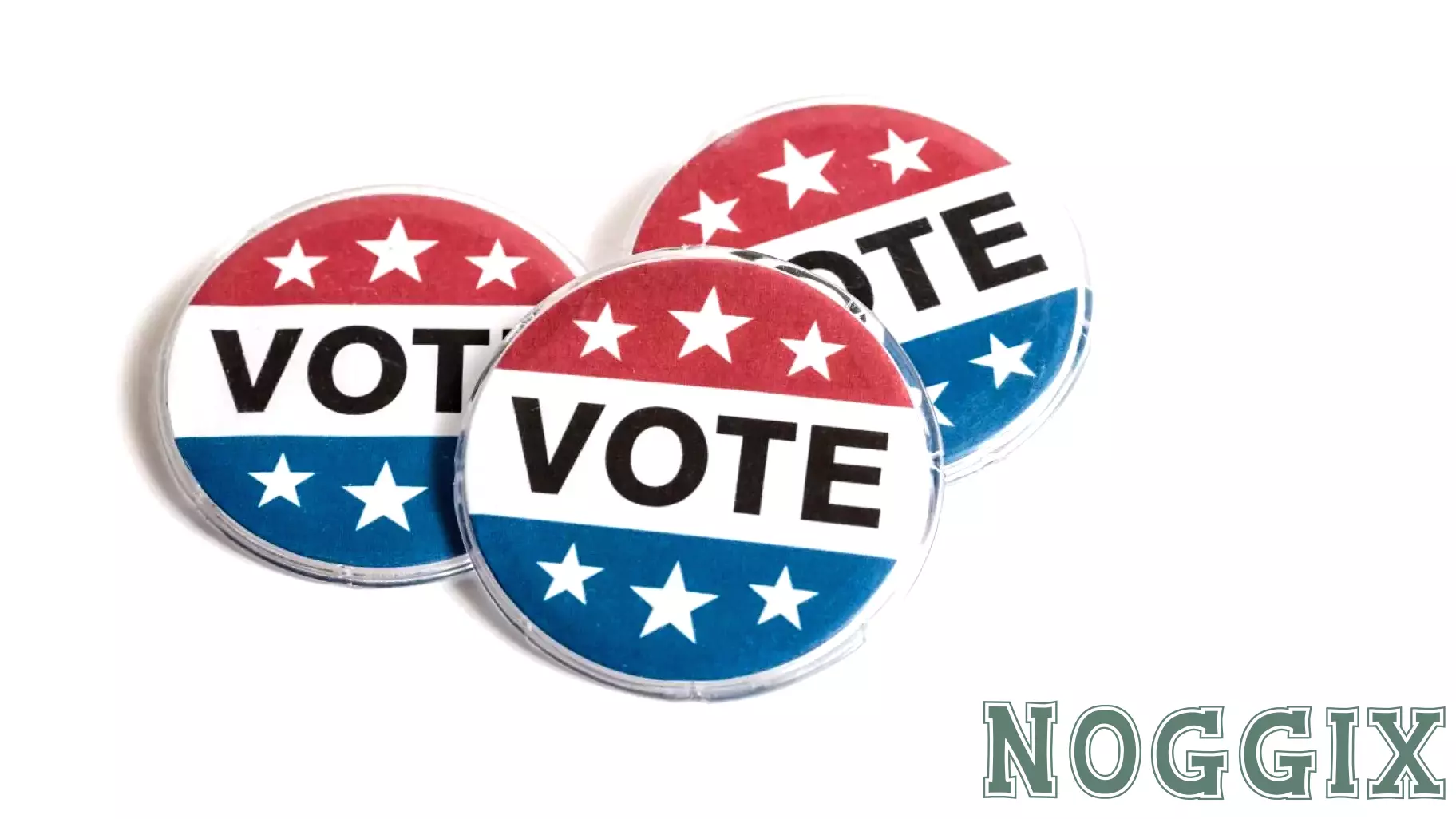
Voting is often framed as a civic duty, a way to shape the future of a community or country. But emerging research suggests the act of casting a ballot might come with a personal health benefit as well: a longer life. While it sounds like a stretch, the connection is rooted in the social and psychological effects of civic participation.
Studies have found that people who vote regularly tend to report higher levels of social connectedness and a stronger sense of purpose. For seniors, these factors are especially important. Isolation and a feeling of irrelevance can contribute to depression and physical decline. Voting, by contrast, reinforces a person's role in society. It signals that their opinion matters, which can boost mental health and even encourage other healthy behaviors, like staying informed and engaging with neighbors.
One theory is that the act of voting is a marker of broader social integration. People who vote are more likely to volunteer, attend community meetings, or simply maintain active social networks. These connections have been linked to lower rates of heart disease, dementia, and premature death. The effect is not necessarily that the voting itself extends life, but that it reflects a mindset of engagement that keeps people healthier.
For older adults, the benefits may be even more pronounced. A 2022 study in the Journal of Aging and Health found that seniors who voted in local elections had slightly lower mortality rates over a five-year period compared to those who did not. The researchers controlled for income, education, and existing health conditions, suggesting the link is not just about who votes, but about the act itself.
Of course, correlation is not causation. It is possible that healthier people are simply more able to get to the polls. But the evidence points to a reinforcing cycle: voting keeps you connected, and connection keeps you alive. So while no one should expect a ballot box to replace a doctor, the research offers a compelling reason to head to the polls, especially for those in their later years.
MORE NEWS

August 10, 2026 - 22:06
The Latest Casualties of the False Cause FallacyHeadlines love a simple warning. Stay up late, and your heart will suffer. Work from home, and your mind will crumble. These stories spread fast because they feel true. But the research behind them...

August 8, 2026 - 10:17
Ted Lasso Is Back: Why We Still Need to “Believe”The wait is over for fans of the show about a folksy American football coach who somehow ends up managing a struggling English soccer team. Ted Lasso is back on screens, and while the jokes and the...
August 7, 2026 - 17:44
The Two Kinds of Philosophers—And Why We Only Need OneThere is an old way of dividing thinkers, and it still holds up. Some are swallows, soaring high, mapping the whole sky from above. Others are moles, burrowing deep into a single patch of ground,...

August 7, 2026 - 01:24
New Ways to Deal With the Inner CriticThat nagging voice in your head, the one that whispers you are not smart enough, fast enough, or good enough, is a common companion for many people. For years, the standard advice was to simply...