Unlocking the Secrets of Charisma
December 26, 2024 - 20:04

We all know someone with that magical ability to influence others effortlessly. Is charisma an innate trait, or can it be cultivated? Recent research sheds light on this intriguing question, suggesting that while some individuals may possess a natural charm, many aspects of charisma can be developed through practice and self-awareness.
Charismatic people often exhibit specific behaviors that set them apart. They tend to be excellent listeners, making others feel heard and valued. Additionally, they possess a strong sense of confidence, which can be contagious. Body language plays a crucial role as well; maintaining eye contact and using open gestures can create a sense of connection and trust.
Moreover, emotional intelligence is a key component of charisma. Understanding and empathizing with others' feelings can enhance interpersonal dynamics and foster deeper relationships. By honing these skills, anyone can enhance their charismatic presence, influencing those around them positively. Ultimately, charisma is not just about being charming; it’s about building authentic connections and inspiring others.
MORE NEWS

July 28, 2026 - 19:11
"Am I Crazy?" Understanding Out-of-Body FeelingsIt starts without warning. You are sitting in a chair, or lying in bed, and suddenly you feel like you are floating a few feet above your own body. You might see yourself from the ceiling, or feel...

July 28, 2026 - 04:09
Psychoanalytic Object Relations Through SongJohn Mayer`s 2003 hit `Daughters` is often dismissed as a simple pop ballad about fatherly responsibility. But a closer look reveals the song works as a surprisingly clear case study in...

July 26, 2026 - 20:50
Why Workaholics May Not Be Team PlayersFor many workaholics, the drive to do more comes from a genuine sense of duty. But new research suggests that this intense focus on individual output often backfires in a team setting. The core...
July 24, 2026 - 15:13
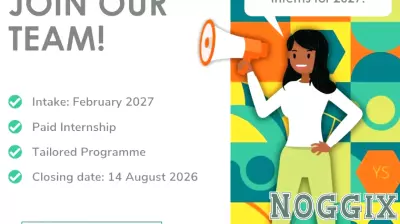
Yellow Seed 2027 Internship: A Paid Path Into Industrial Psychology With Exposure to AI-Driven HR TechStudents of Industrial Psychology looking for a practical edge beyond the typical internship might find a match in the Yellow Seed 2027 programme. The initiative provides a paid placement that...