Understanding Early Sensitivity in Babies: Key Indicators
June 22, 2025 - 17:24
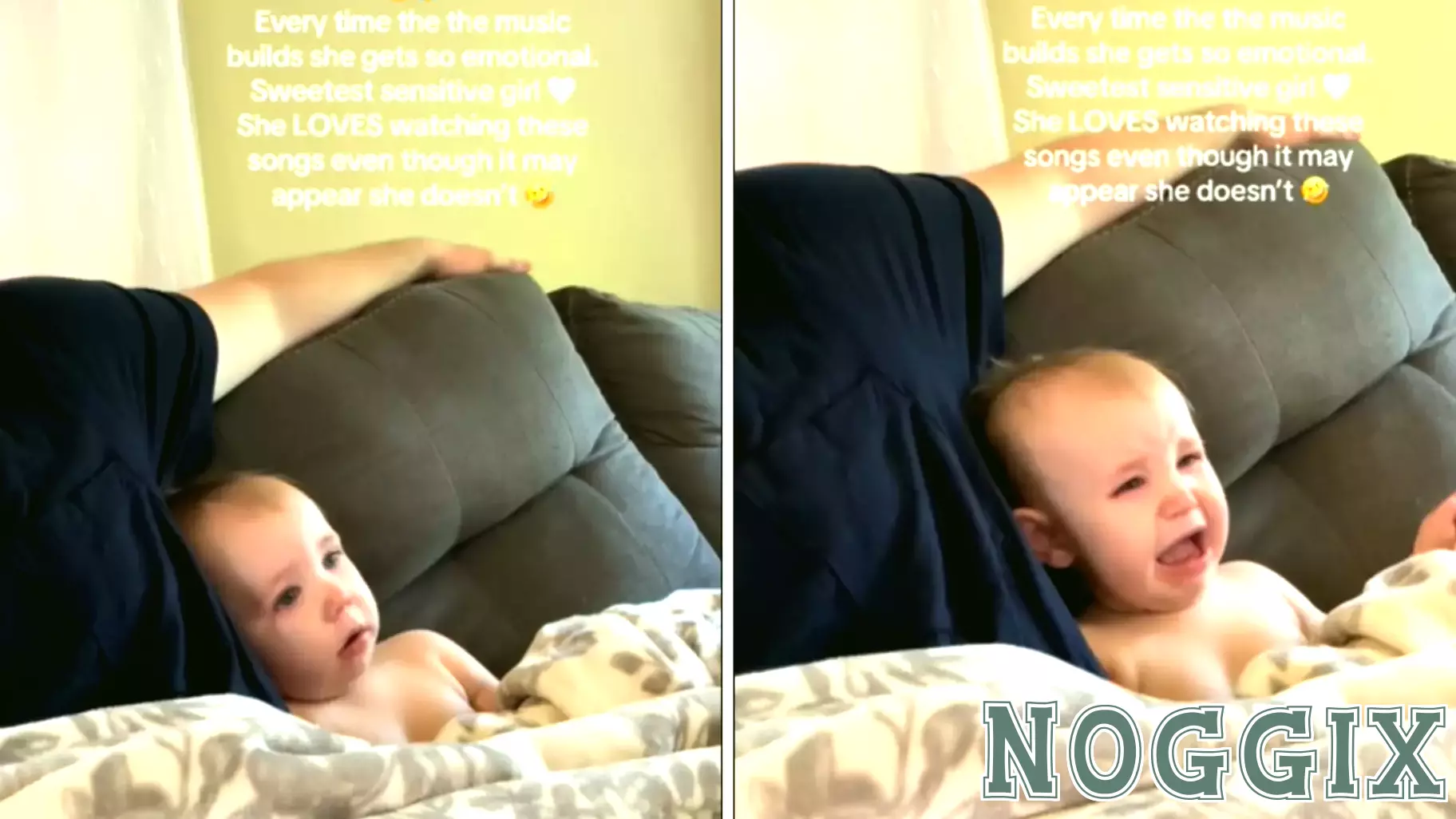
A baby's reaction to a Disney song online has sparked discourse about sensitivity at an early age. Many parents are beginning to recognize that certain behaviors in their infants may indicate a heightened sensitivity. Understanding these signs can help caregivers provide the right environment for their child's emotional development.
One key indicator is an intense reaction to sounds, lights, or textures. Babies who seem easily startled or overwhelmed by everyday stimuli may be exhibiting signs of high sensitivity. Additionally, these infants may show a strong emotional response to music or stories, often crying or becoming visibly excited during specific moments.
Another sign is a preference for quiet and calm environments. Babies who become fussy or irritable in loud or chaotic settings might be indicating their sensitivity to sensory overload. Lastly, a highly sensitive baby may display empathy even at a young age, reacting to the emotions of others, whether through cooing in response to a caregiver's laughter or becoming upset when they see someone cry. Recognizing these signs can empower parents to nurture their child's unique emotional landscape.
MORE NEWS

July 10, 2026 - 05:01
Why Losing Your Job to AI Might Reveal What You Actually AreA translator who once earned a comfortable living from his language skills recently watched 70 percent of his income vanish. Not because he got worse at his job. Not because clients stopped needing...

July 9, 2026 - 00:10
How Choosing Hope Can Empower YouIt is easy to think of hope as a passive feeling, something that happens to you when things go well. But a growing body of research suggests that hope is actually an active skill, a choice that can...

July 8, 2026 - 01:50
How Islamophobia Harms Us AllAttacks on Muslim political figures and distorted media portrayals continue to paint an entire faith community as a danger to the United States. But the real threat to national security and social...

July 6, 2026 - 02:50
Psychology says people who are extremely brand conscious aren't always trying to impress others, it may reNew research in consumer psychology suggests that people who are extremely brand conscious are not always trying to impress others or climb the social ladder. While many assume that buying...