The Shifting Landscape of Adolescent Influence
February 6, 2026 - 13:08
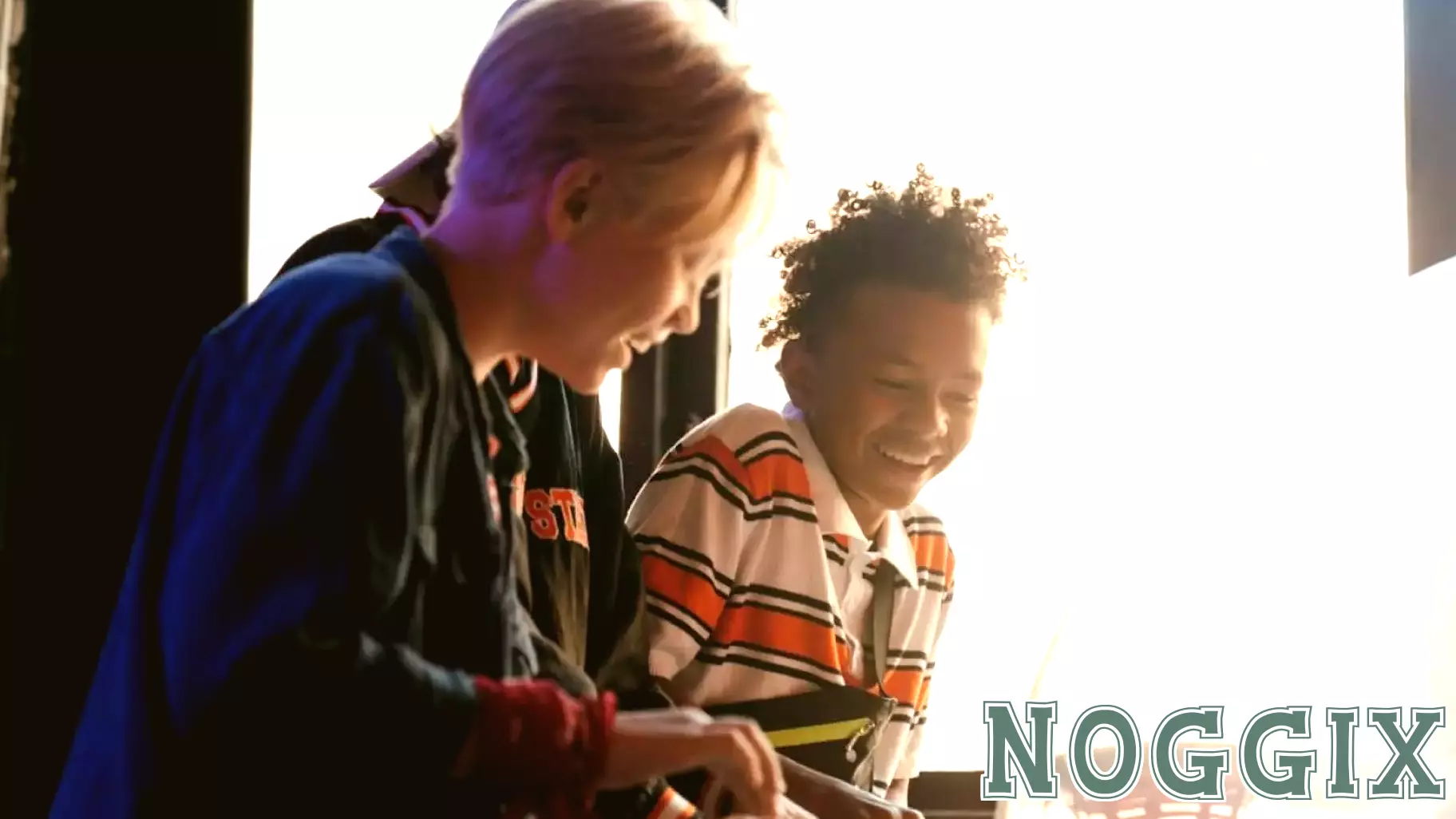
The traditional narrative of adolescence paints a picture of parents receding into the background as peers become the dominant social force. However, this view is being challenged by a more nuanced understanding of global family dynamics. Research indicates that while peer relationships are undoubtedly crucial for social development, the assumption of their universal supremacy is flawed.
In numerous cultures worldwide, the family unit continues to be the primary source of emotional support, guidance, and stability throughout the teenage years. The intense focus on peer orientation often reflects a specific, Western-centric perspective. For many adolescents, parents and extended family members remain the cornerstone of their identity formation and decision-making processes.
This is not to diminish the significant role of friendships, which are vital for learning social cues, building independence, and fostering a sense of belonging. The key insight is that adolescent development is not a simple transfer of influence from parents to peers. Instead, it is a complex interplay where both groups can coexist as complementary sources of support. A balanced environment, where strong familial bonds provide a secure base for exploring peer relationships, appears to be most beneficial for long-term well-being. The teenage years, therefore, are less about swapping one influence for another and more about successfully integrating multiple social worlds.
MORE NEWS

August 5, 2026 - 21:11
How Drug Abuse by Bicyclists Led to a Medicine for PsychosisThe history of medicine is full of strange twists, but few are as unexpected as the link between a group of drug-abusing cyclists and a breakthrough treatment for psychosis. It started not in a...

August 4, 2026 - 23:55
3 Ways Early Family Trauma Shapes Marriage in Later LifeNew research is shedding light on a difficult truth: the emotional scars we carry from early family life do not stay in the past. They walk with us into our marriages, often dictating how we argue,...
August 4, 2026 - 12:30
Better Posture Linked to Better Decision Making and MoodNew research suggests that the way you sit might do more than just spare you from back pain. It could actually influence how you think and feel. A recent study has found a meaningful connection...

August 3, 2026 - 22:40
In Group Projects: Double Down or Quit?Group work has a way of exposing the gap between those who carry the load and those who just ride along. It is a familiar frustration: one person does the heavy lifting while others coast, and the...