The Shift to Digital Art Appreciation: Can It Replace the Original Experience?
March 26, 2025 - 22:16
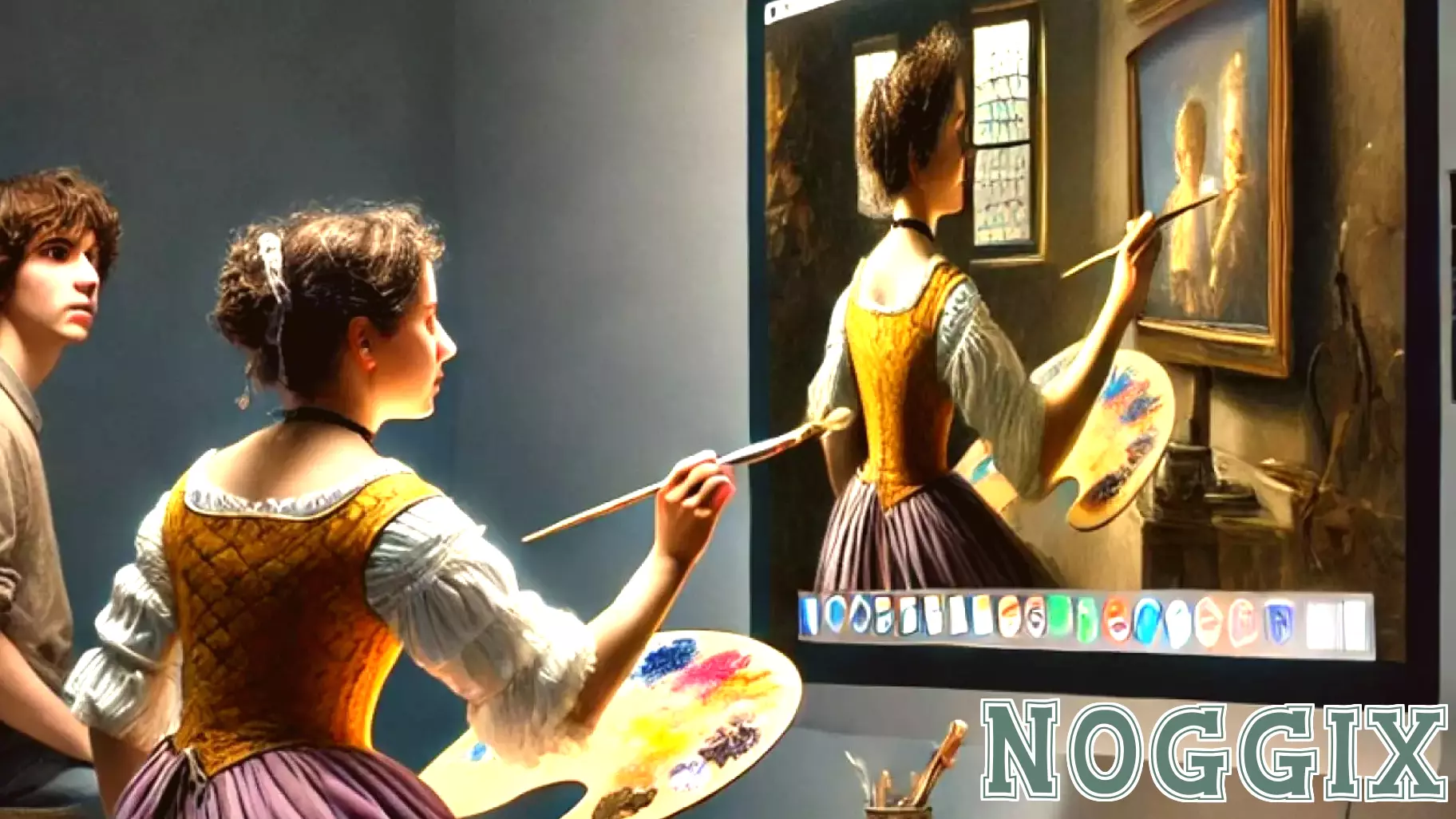
As the world increasingly embraces technology, the question arises: can viewing art digitally truly capture the essence of experiencing original pieces in person? Recent research suggests that our longstanding beliefs about the importance of physical presence in art appreciation may need reevaluation.
Digital platforms have made art more accessible than ever, allowing enthusiasts to explore vast collections from the comfort of their homes. This shift has sparked a debate among artists, curators, and art lovers about the emotional and experiential differences between viewing a digital reproduction and an original artwork.
While some argue that the tactile experience of standing before a masterpiece cannot be replicated, others believe that digital formats can enhance engagement and understanding. Virtual reality exhibitions and high-resolution images provide new ways to interact with art, potentially democratizing access and fostering a broader appreciation for diverse artistic expressions.
As technology continues to evolve, the art world must navigate the balance between tradition and innovation, redefining what it means to appreciate art in the digital age.
MORE NEWS

July 10, 2026 - 05:01
Why Losing Your Job to AI Might Reveal What You Actually AreA translator who once earned a comfortable living from his language skills recently watched 70 percent of his income vanish. Not because he got worse at his job. Not because clients stopped needing...

July 9, 2026 - 00:10
How Choosing Hope Can Empower YouIt is easy to think of hope as a passive feeling, something that happens to you when things go well. But a growing body of research suggests that hope is actually an active skill, a choice that can...

July 8, 2026 - 01:50
How Islamophobia Harms Us AllAttacks on Muslim political figures and distorted media portrayals continue to paint an entire faith community as a danger to the United States. But the real threat to national security and social...

July 6, 2026 - 02:50
Psychology says people who are extremely brand conscious aren't always trying to impress others, it may reNew research in consumer psychology suggests that people who are extremely brand conscious are not always trying to impress others or climb the social ladder. While many assume that buying...