The Impact of AI Companionship on Teen Relationships
August 6, 2025 - 19:13
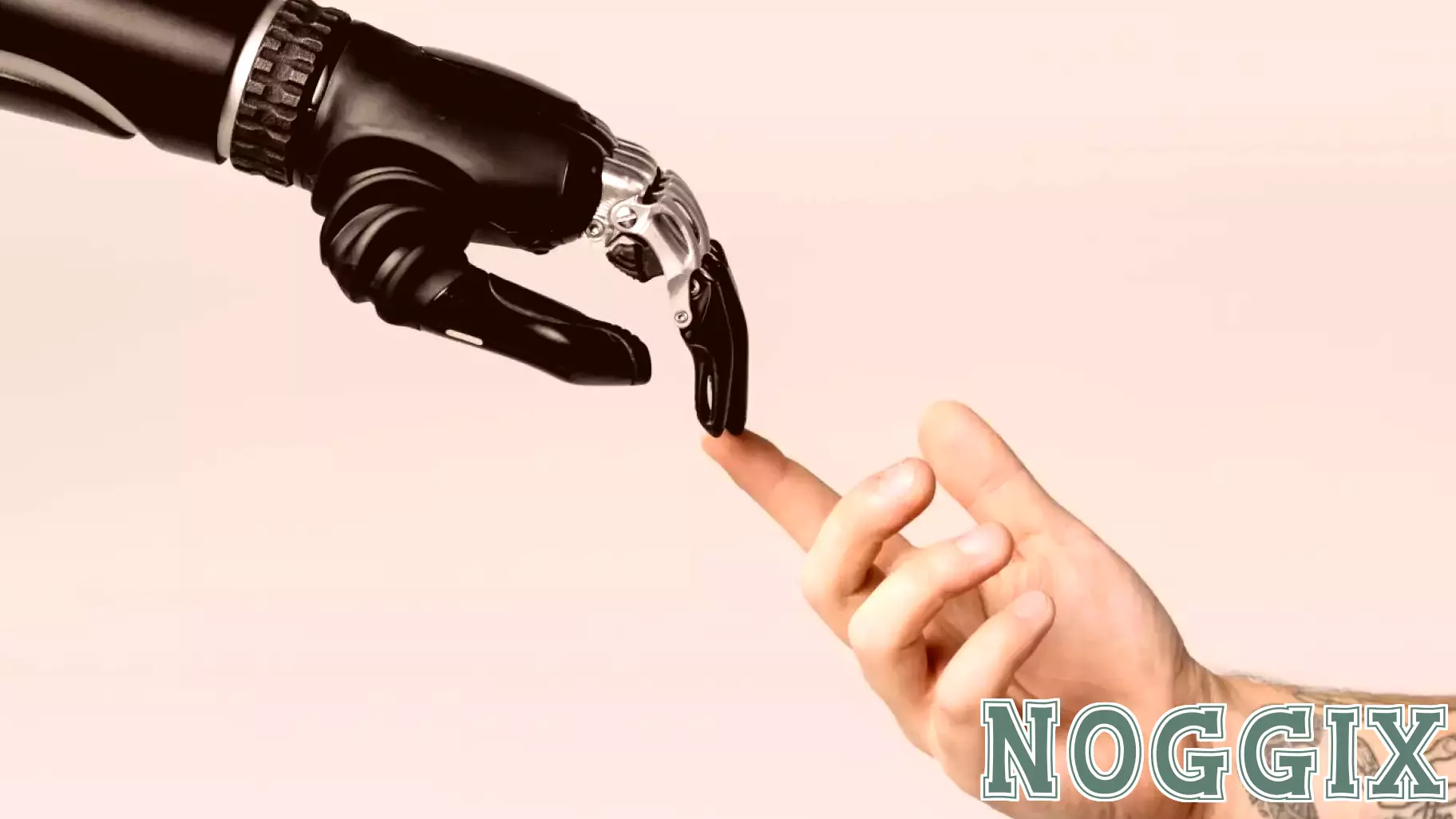
In an increasingly digital world, teenagers are increasingly seeking comfort and connection through artificial intelligence. While AI offers a semblance of companionship, it raises important questions about the emotional and social implications of relying on technology for support. The allure of AI-driven interactions often stems from their availability and the ability to engage without the complexities of human relationships.
However, as teens turn to chatbots and virtual assistants for solace, they may inadvertently be sacrificing genuine human connections. The risk lies in developing a reliance on artificial companionship that could hinder their ability to form meaningful relationships with peers and family. Emotional intelligence, empathy, and the nuances of face-to-face interactions are essential skills that can be diminished when technology becomes a substitute for real-life engagement.
As society navigates this evolving landscape, it is crucial to encourage a balance between digital interactions and authentic human relationships. Understanding the potential consequences of AI companionship will help guide teens in making healthier choices in their social lives.
MORE NEWS

July 10, 2026 - 05:01
Why Losing Your Job to AI Might Reveal What You Actually AreA translator who once earned a comfortable living from his language skills recently watched 70 percent of his income vanish. Not because he got worse at his job. Not because clients stopped needing...

July 9, 2026 - 00:10
How Choosing Hope Can Empower YouIt is easy to think of hope as a passive feeling, something that happens to you when things go well. But a growing body of research suggests that hope is actually an active skill, a choice that can...

July 8, 2026 - 01:50
How Islamophobia Harms Us AllAttacks on Muslim political figures and distorted media portrayals continue to paint an entire faith community as a danger to the United States. But the real threat to national security and social...

July 6, 2026 - 02:50
Psychology says people who are extremely brand conscious aren't always trying to impress others, it may reNew research in consumer psychology suggests that people who are extremely brand conscious are not always trying to impress others or climb the social ladder. While many assume that buying...