The Fascinating Psychology of Sports Fandom
February 9, 2025 - 01:28
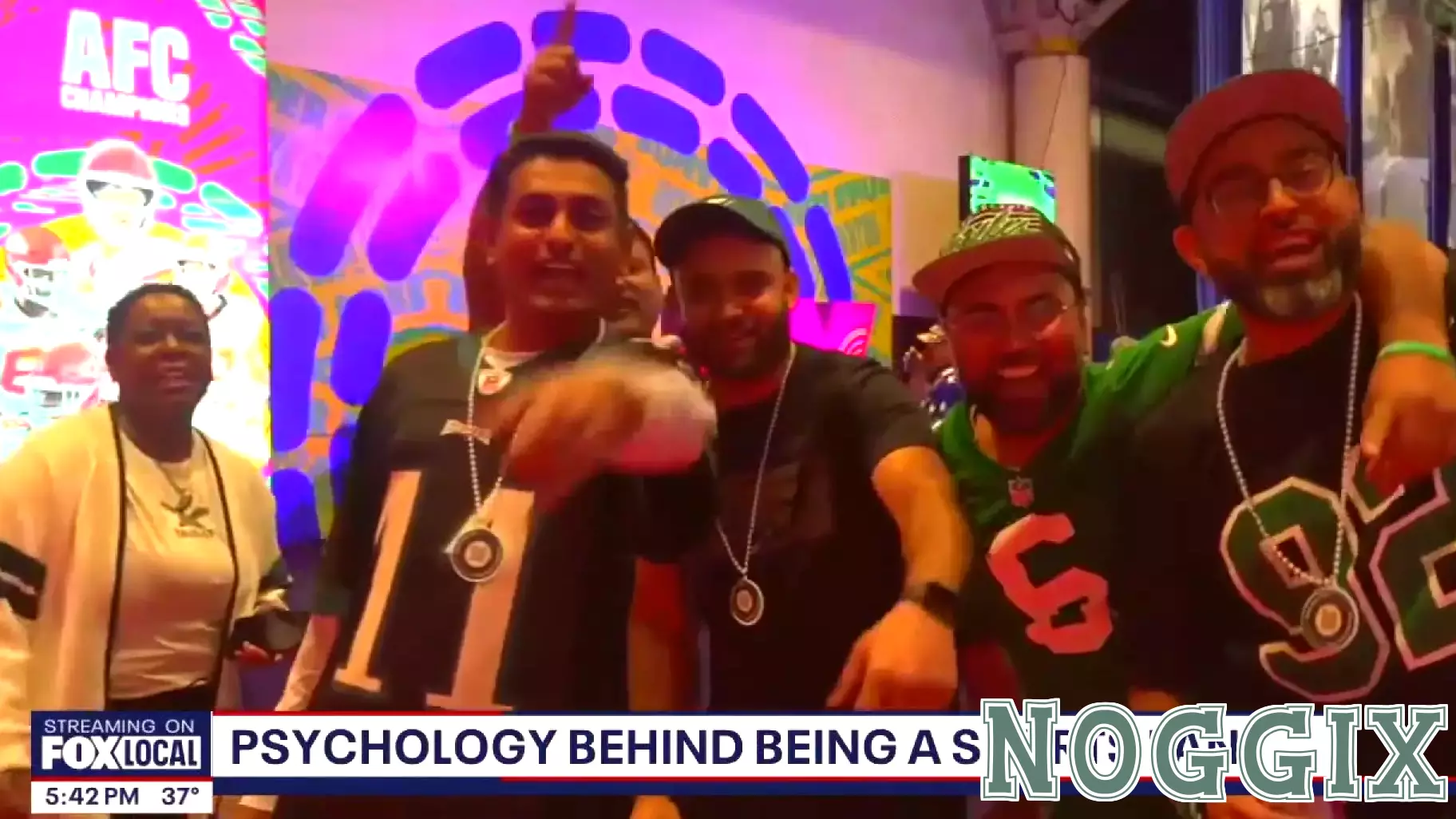
As sports fans nationwide prepare for all the action, have you ever wondered why people care so much about their favorite teams? The phenomenon of sports fandom goes beyond mere entertainment; it taps into deep psychological needs and social dynamics.
At its core, being a sports fan fulfills the human desire for belonging and community. Fans often feel a strong connection to their teams, which can create a sense of identity. This bond is particularly evident during games, where the collective emotions of joy, frustration, and excitement are shared among supporters.
Moreover, rooting for a team can provide a sense of purpose and routine in life. The anticipation of game day and the rituals surrounding it serve as a comforting structure in an otherwise chaotic world.
Additionally, the highs and lows of sports can mirror personal experiences, allowing fans to project their emotions onto the game. This psychological engagement not only enhances the viewing experience but also fosters a unique camaraderie among fans, making sports a powerful social glue.
MORE NEWS

July 10, 2026 - 05:01
Why Losing Your Job to AI Might Reveal What You Actually AreA translator who once earned a comfortable living from his language skills recently watched 70 percent of his income vanish. Not because he got worse at his job. Not because clients stopped needing...

July 9, 2026 - 00:10
How Choosing Hope Can Empower YouIt is easy to think of hope as a passive feeling, something that happens to you when things go well. But a growing body of research suggests that hope is actually an active skill, a choice that can...

July 8, 2026 - 01:50
How Islamophobia Harms Us AllAttacks on Muslim political figures and distorted media portrayals continue to paint an entire faith community as a danger to the United States. But the real threat to national security and social...

July 6, 2026 - 02:50
Psychology says people who are extremely brand conscious aren't always trying to impress others, it may reNew research in consumer psychology suggests that people who are extremely brand conscious are not always trying to impress others or climb the social ladder. While many assume that buying...