The Fascinating Psychology Behind Car Designs That Resemble Faces
June 12, 2025 - 02:40
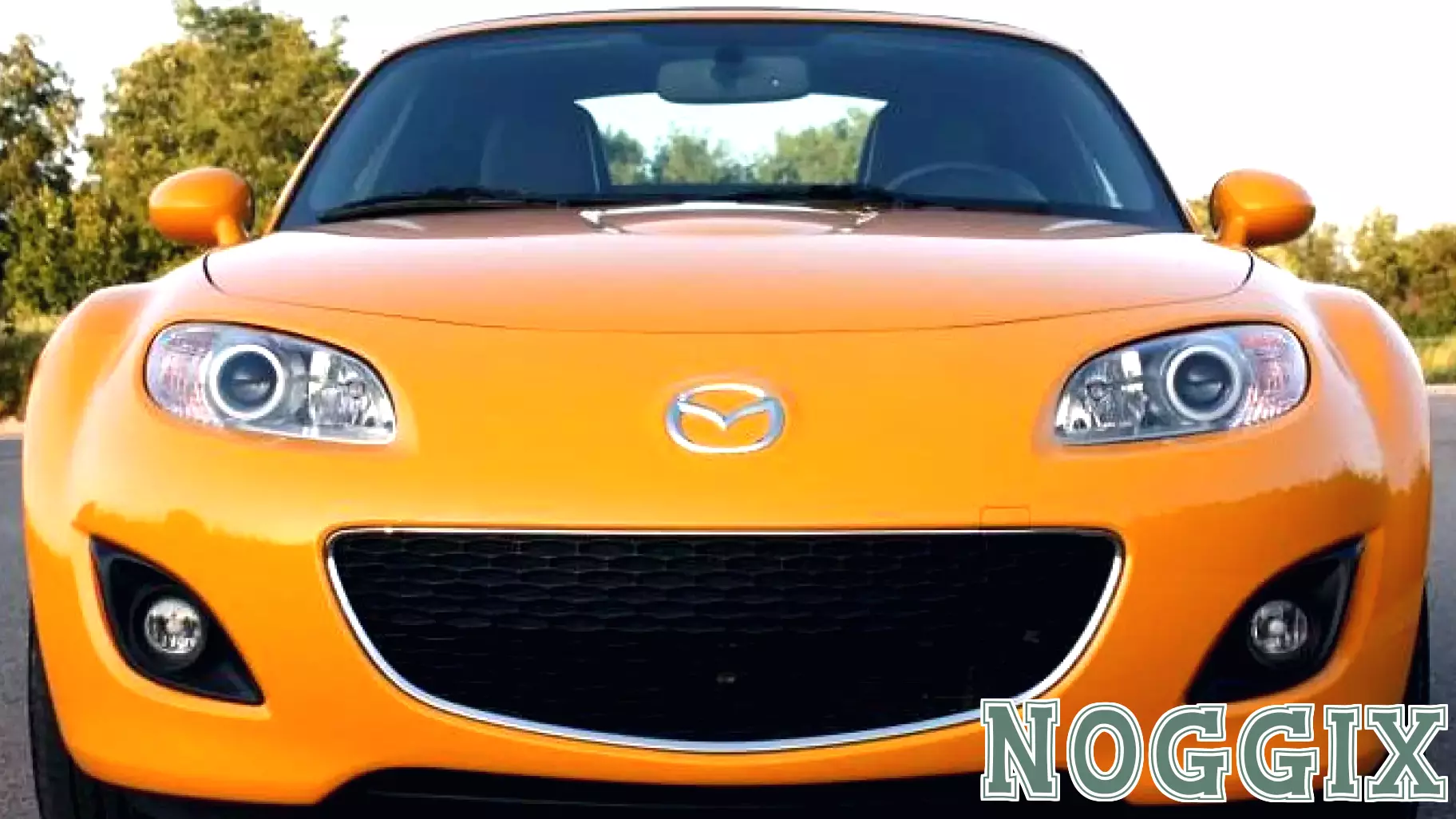
Look at a car. Really look at it. Chances are, your brain immediately sees something familiar: a face. From the cheerful headlights of various models to the aggressive grilles that resemble snarling mouths, automotive design often incorporates features that evoke human-like expressions. This phenomenon is not accidental; it stems from a psychological tendency known as pareidolia, where humans perceive familiar patterns, particularly faces, in inanimate objects.
Car manufacturers utilize this instinctive recognition to create emotional connections between consumers and their vehicles. A friendly front end can evoke feelings of warmth and approachability, while a sleek, aggressive design might inspire excitement and a sense of power. This strategic design approach influences consumer preferences and purchasing decisions, as people are naturally drawn to items that resonate with them on a personal level.
Moreover, the use of facial features in car design can enhance brand identity. By crafting distinct "personalities" for their models, manufacturers can effectively differentiate themselves in a competitive market. Ultimately, the integration of facial characteristics into car designs is a clever blend of psychology and marketing, ensuring that vehicles are not just modes of transportation but also companions that resonate with our emotions.
MORE NEWS

July 10, 2026 - 05:01
Why Losing Your Job to AI Might Reveal What You Actually AreA translator who once earned a comfortable living from his language skills recently watched 70 percent of his income vanish. Not because he got worse at his job. Not because clients stopped needing...

July 9, 2026 - 00:10
How Choosing Hope Can Empower YouIt is easy to think of hope as a passive feeling, something that happens to you when things go well. But a growing body of research suggests that hope is actually an active skill, a choice that can...

July 8, 2026 - 01:50
How Islamophobia Harms Us AllAttacks on Muslim political figures and distorted media portrayals continue to paint an entire faith community as a danger to the United States. But the real threat to national security and social...

July 6, 2026 - 02:50
Psychology says people who are extremely brand conscious aren't always trying to impress others, it may reNew research in consumer psychology suggests that people who are extremely brand conscious are not always trying to impress others or climb the social ladder. While many assume that buying...