Psychology says the loneliest people aren’t the ones who live alone—they’re the ones whose lives are full of people who have never asked what they actually think about anything
May 13, 2026 - 08:18

Psychology suggests that the deepest loneliness does not come from living in isolation. It comes from being in a room full of people who never ask what you actually think. These are the individuals who attend gatherings, sit at crowded dinner tables, and maintain busy social calendars, yet feel completely invisible. The problem is not a lack of company. It is a lack of genuine curiosity from others.
When no one asks for your opinion on a topic that matters to you, or when conversations always circle back to someone else's interests, a quiet erosion begins. You start to wonder if your thoughts are worth sharing. Over time, you stop offering them. The silence becomes a habit. You become the listener, the nodder, the one who smiles while others talk. But inside, a hollow space grows.
The lack of reciprocation eventually gets to them. Humans need to feel seen not just as bodies in a room, but as minds with unique perspectives. When that need goes unmet, even a packed calendar feels empty. The loneliest people are not the ones who eat dinner alone. They are the ones surrounded by voices that never pause to hear theirs.
MORE NEWS

August 10, 2026 - 22:06
The Latest Casualties of the False Cause FallacyHeadlines love a simple warning. Stay up late, and your heart will suffer. Work from home, and your mind will crumble. These stories spread fast because they feel true. But the research behind them...

August 8, 2026 - 10:17
Ted Lasso Is Back: Why We Still Need to “Believe”The wait is over for fans of the show about a folksy American football coach who somehow ends up managing a struggling English soccer team. Ted Lasso is back on screens, and while the jokes and the...
August 7, 2026 - 17:44
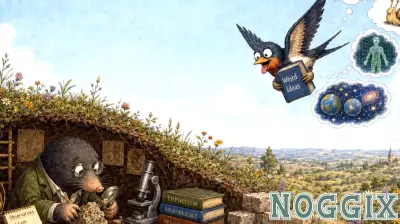
The Two Kinds of Philosophers—And Why We Only Need OneThere is an old way of dividing thinkers, and it still holds up. Some are swallows, soaring high, mapping the whole sky from above. Others are moles, burrowing deep into a single patch of ground,...

August 7, 2026 - 01:24
New Ways to Deal With the Inner CriticThat nagging voice in your head, the one that whispers you are not smart enough, fast enough, or good enough, is a common companion for many people. For years, the standard advice was to simply...