Pre-fab psychological diagnoses: Clinicians confront a new trend
January 28, 2026 - 09:49
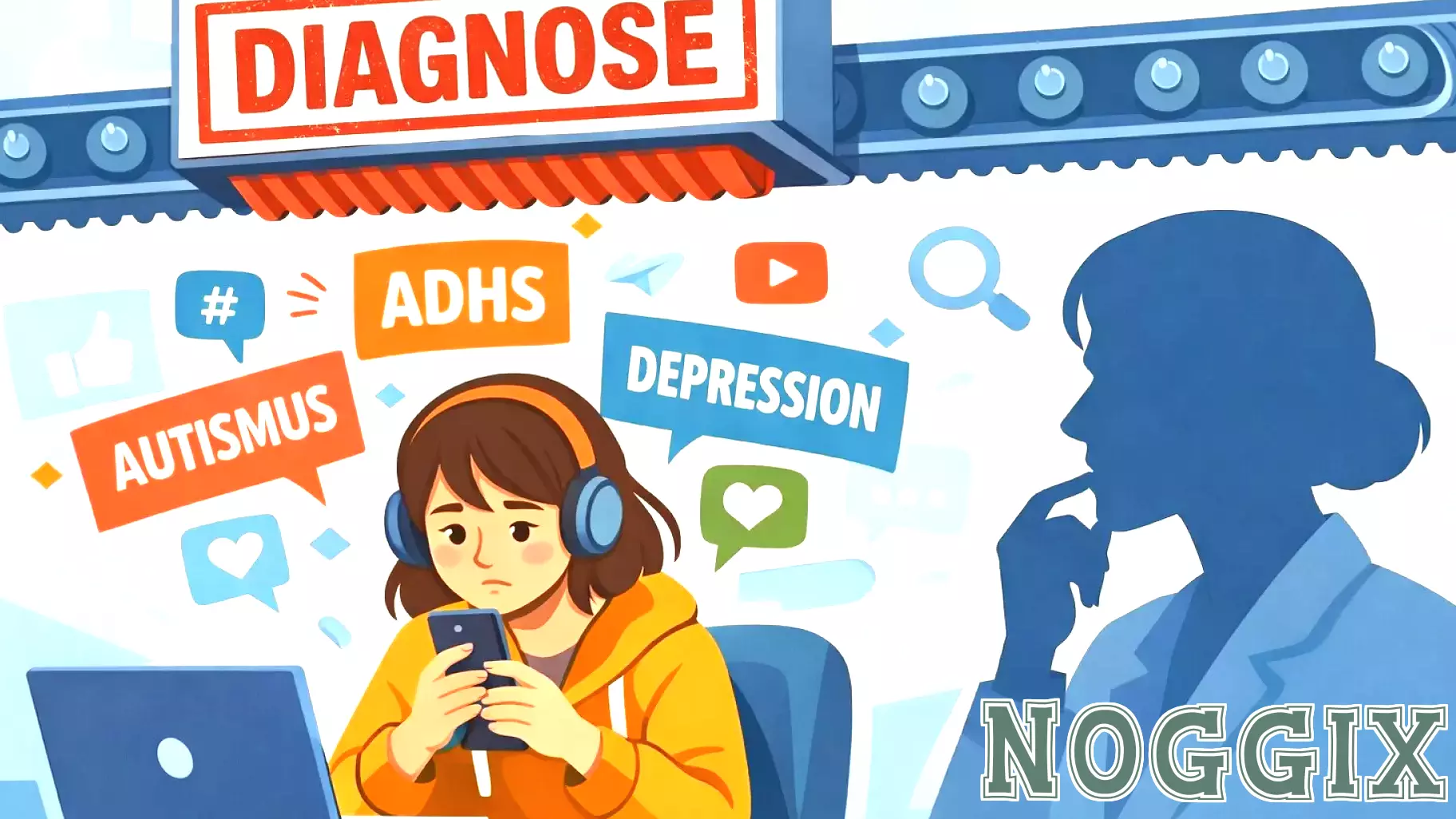
A growing trend is reshaping the initial conversations between therapists and clients, particularly among young adults. Increasingly, individuals are arriving for psychological assessments not only with symptoms but with a specific, self-assigned diagnosis already in hand.
This phenomenon, explored in a new mixed-methods study involving 93 clinical psychologists, reveals a complex clinical landscape. Practitioners report that clients frequently present with a strong preconceived notion, often influenced by social media content and online communities. While this can sometimes indicate a well-researched individual seeking validation, it also presents significant challenges for the therapeutic process.
Clinicians note that these pre-fabricated diagnoses can create a narrow framework, where clients might unconsciously filter their experiences to fit a specific label, such as ADHD, autism, or bipolar disorder. This can complicate accurate assessment, as it may lead to overlooking other contributing factors or co-occurring conditions. The therapeutic task then expands to gently exploring the client's self-conception while conducting a thorough, unbiased evaluation.
Experts emphasize that this trend reflects a heightened public awareness of mental health, which is ultimately positive. However, it underscores the need for a collaborative diagnostic process. The goal remains to move beyond the label itself to understand the unique individual behind it, ensuring care plans are tailored to the person, not just the presumed condition.
MORE NEWS

July 28, 2026 - 19:11
"Am I Crazy?" Understanding Out-of-Body FeelingsIt starts without warning. You are sitting in a chair, or lying in bed, and suddenly you feel like you are floating a few feet above your own body. You might see yourself from the ceiling, or feel...

July 28, 2026 - 04:09
Psychoanalytic Object Relations Through SongJohn Mayer`s 2003 hit `Daughters` is often dismissed as a simple pop ballad about fatherly responsibility. But a closer look reveals the song works as a surprisingly clear case study in...

July 26, 2026 - 20:50
Why Workaholics May Not Be Team PlayersFor many workaholics, the drive to do more comes from a genuine sense of duty. But new research suggests that this intense focus on individual output often backfires in a team setting. The core...

July 24, 2026 - 15:13
Yellow Seed 2027 Internship: A Paid Path Into Industrial Psychology With Exposure to AI-Driven HR TechStudents of Industrial Psychology looking for a practical edge beyond the typical internship might find a match in the Yellow Seed 2027 programme. The initiative provides a paid placement that...