Ongoing Disparities in Disability Identification Among Students
July 9, 2025 - 00:35
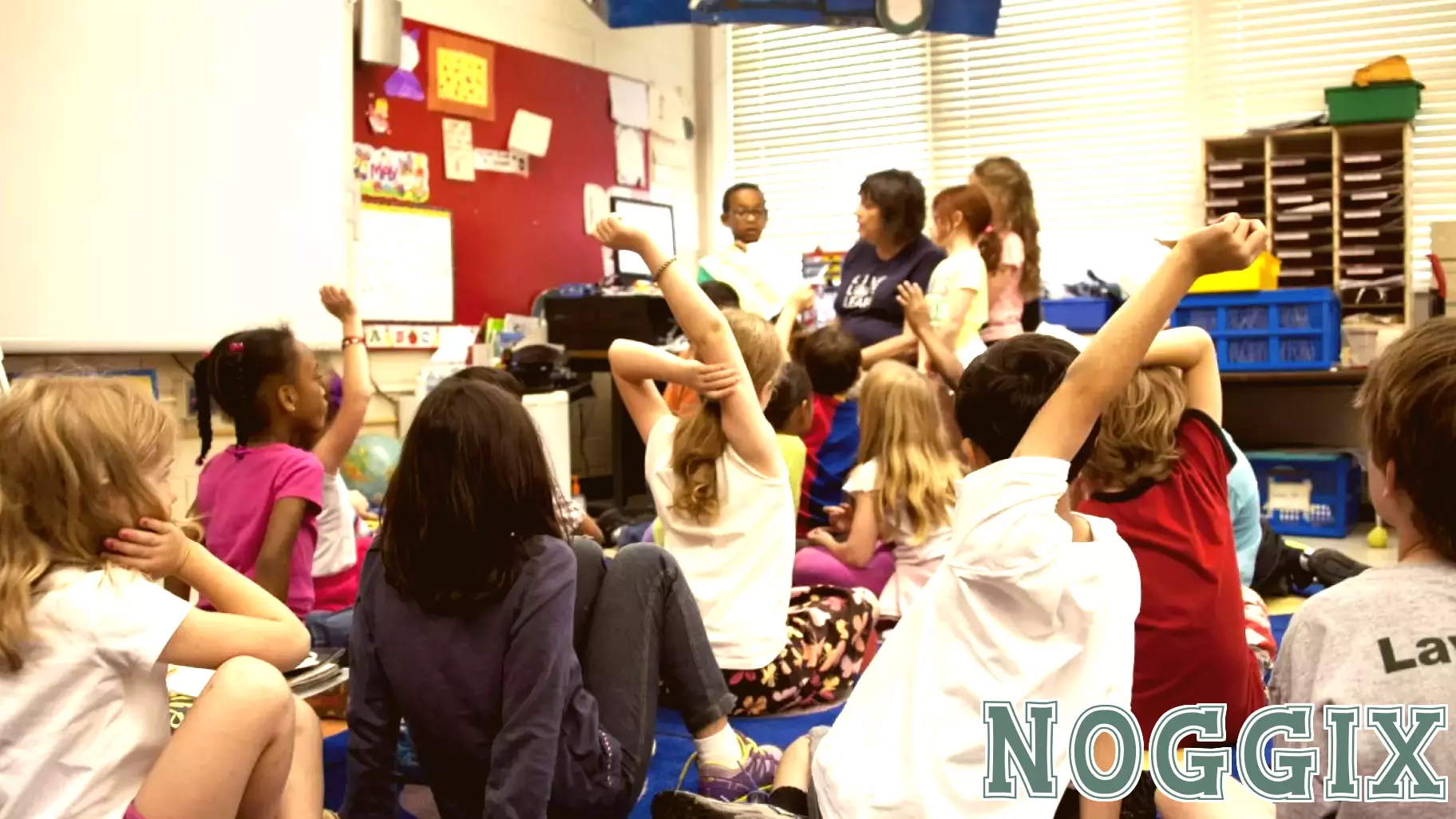
Recent findings indicate that students who are white or come from English-speaking families continue to be disproportionately identified as having disabilities in U.S. elementary schools. This trend raises significant concerns about equity and access to resources for students from diverse backgrounds.
Research shows that minority students, particularly those from non-English-speaking households, are often under-identified when it comes to disabilities. This discrepancy may stem from various factors, including cultural biases in the identification process and a lack of appropriate assessment tools that consider linguistic diversity.
As a result, many students who require support may not receive the necessary interventions, potentially impacting their educational outcomes. Advocates emphasize the importance of training educators to recognize and address these biases, as well as the need for more inclusive assessment practices. Addressing these disparities is crucial to ensuring that all students receive equitable support and opportunities for success in their educational journeys.
MORE NEWS

July 10, 2026 - 05:01
Why Losing Your Job to AI Might Reveal What You Actually AreA translator who once earned a comfortable living from his language skills recently watched 70 percent of his income vanish. Not because he got worse at his job. Not because clients stopped needing...

July 9, 2026 - 00:10
How Choosing Hope Can Empower YouIt is easy to think of hope as a passive feeling, something that happens to you when things go well. But a growing body of research suggests that hope is actually an active skill, a choice that can...

July 8, 2026 - 01:50
How Islamophobia Harms Us AllAttacks on Muslim political figures and distorted media portrayals continue to paint an entire faith community as a danger to the United States. But the real threat to national security and social...

July 6, 2026 - 02:50
Psychology says people who are extremely brand conscious aren't always trying to impress others, it may reNew research in consumer psychology suggests that people who are extremely brand conscious are not always trying to impress others or climb the social ladder. While many assume that buying...