Love Isn't Chemistry. It's Neuroscience.
June 18, 2026 - 03:06
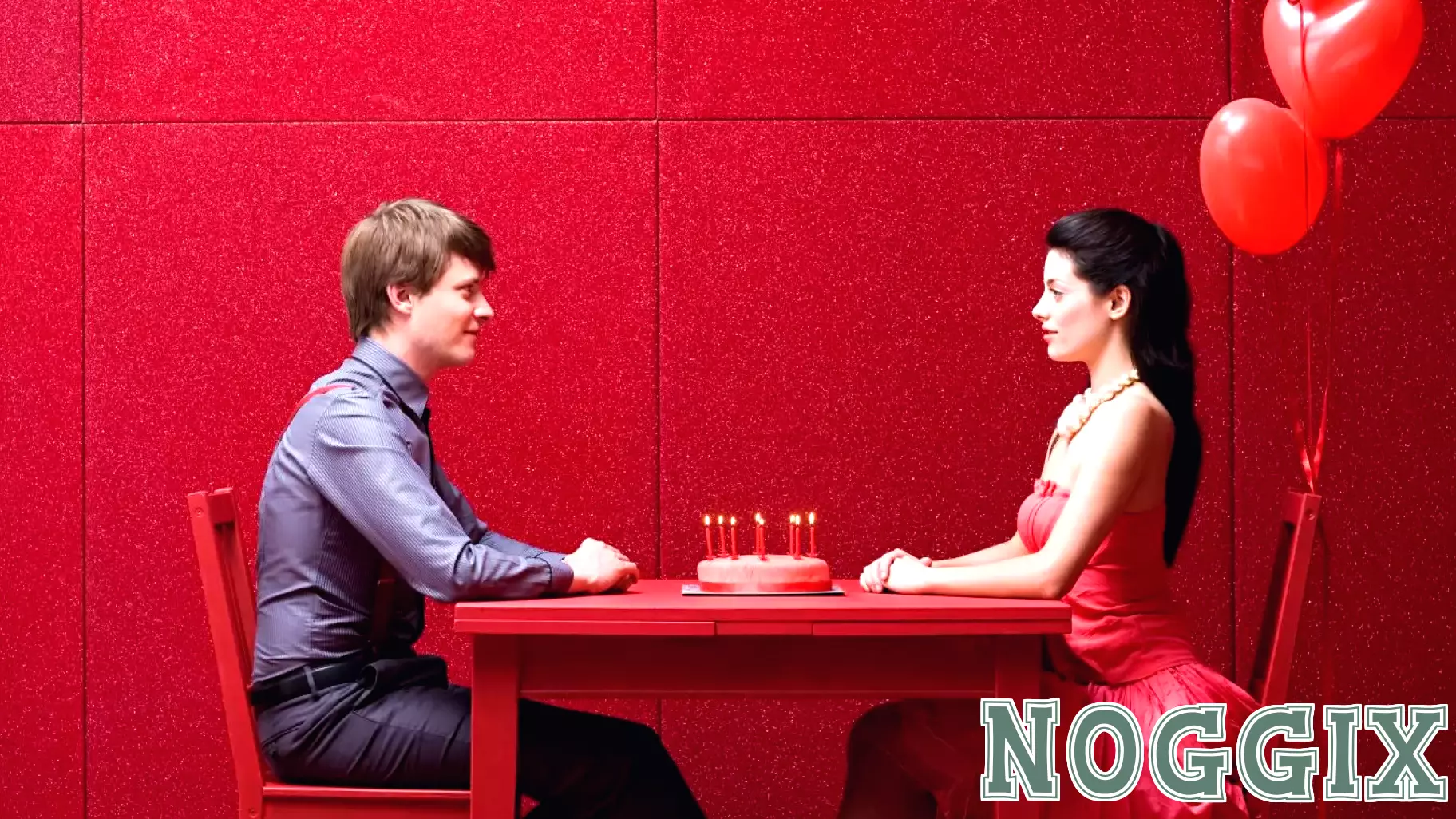
For years, people have described romantic connection as "good chemistry" - that mysterious spark that either happens or doesn't. But according to relationship researchers, this idea gets it backwards. Chemistry isn't something you find by luck. It's something you can actively create using basic principles of how the brain works.
The old view says you either click with someone or you don't. You meet, feel that electric pull, and assume it's fate. If the spark isn't there, you move on. But neuroscience tells a different story. The feeling of connection comes from specific patterns of communication that trigger bonding chemicals in the brain.
When two people share eye contact, mirror each other's body language, and ask questions that invite vulnerability, their brains release oxytocin and dopamine. These are the same chemicals that create feelings of trust and reward. Over time, these interactions build what we call chemistry.
The key is that these behaviors can be learned. Simple strategies like matching someone's speaking pace, using their name naturally, and sharing small personal details in a back-and-forth rhythm all signal safety to the brain. The other person's nervous system registers this as familiarity and comfort, even if you just met.
This doesn't mean love is mechanical or fake. It means the mystery of attraction has a real, understandable process behind it. People who struggle with dating often think they lack some innate charisma. In reality, they may just need to adjust how they communicate on a neurological level.
Understanding this takes pressure off. You don't have to wait for magic to strike. You can build genuine connection by understanding how your brain and someone else's brain talk to each other. Chemistry is not a gift. It is a skill.
MORE NEWS

July 31, 2026 - 09:44
Is AI Becoming the Third Person in Your Relationship?Artificial intelligence is quietly slipping into the most private space you have: your relationship. Not as a gadget or a background helper, but as a third voice in arguments, a scriptwriter for...
July 30, 2026 - 21:44
What All Therapies Get Wrong—and What They All Get RightEvery working therapy runs different kinds of loops, different sorts of learning processes. Understanding where that leaves therapy as a field yields high rewards, but it also reveals a strange...
July 30, 2026 - 01:38
Parent and Adult Child Emotional Cage FightsEmotional cage fighting between parents and their adult children is a raw, unfiltered kind of rage. It is saying what cannot be unsaid, crossing lines that should have stayed drawn, and changing a...
July 29, 2026 - 14:45
From Bufo Toad Venom to Big PharmaA quiet but massive financial bet is reshaping the landscape of psychedelic medicine. A multibillion-dollar investment has been poured into the development of synthetic 5-MeO-DMT, a powerful...